Navigating Winter Roads: Staying Safe During Chicago‘s Latest Snowfall
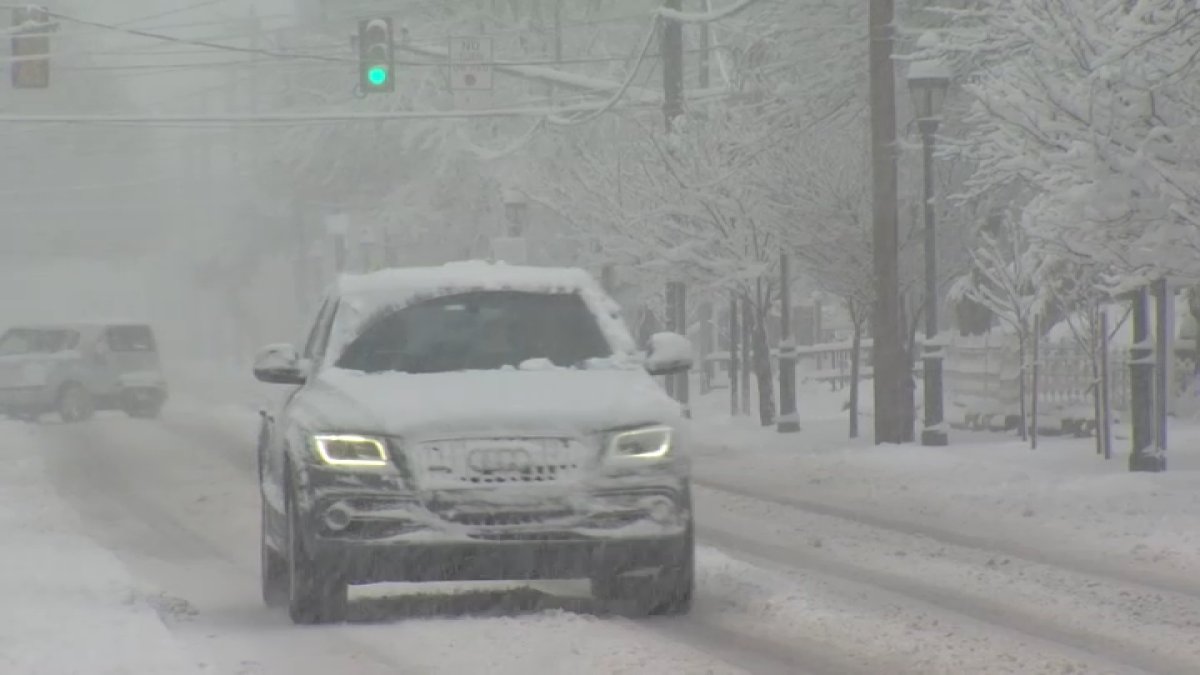
Chicago drivers faced challenging conditions Monday night as a fresh wave of winter weather descended upon the region, following a weekend marked by record-breaking snowfall. This isn’t just about inconvenience; it’s about safety. Understanding how to navigate these conditions is crucial for everyone on the road.
Recent Winter Weather Impacts
A winter weather advisory was in effect until midnight,forecasting an additional one to four inches of snow,with heavier accumulations expected south of the Kankakee River Valley. The National Weather Service (NWS) emphasized the importance of reduced speeds adn increased following distances as steady snowfall continued.
Recent data from the Illinois Department of Transportation (IDOT) showed that many state roads were at least “partly covered with snow or ice” as of 8:30 p.m. Counties like DeKalb, Kankakee, and Kendall reported the most severe conditions, with routes listed as “covered with snow or ice.” Similar conditions were reported in Grundy and will counties, categorized as “mostly covered.”
Real-Time Incidents & urgent Warnings
The impact was immediately visible. Indiana State police at the Lowell Post reported multiple slide-offs along Interstate 65 near Remington, highlighting a frustrating pattern of preventable incidents. As they noted, this was the third snowstorm of the season, yet drivers were still struggling with the conditions.
In illinois, the Kendall County Emergency Management Agency echoed the call for caution. The Oswego Police department reported responding to five crashes within a single hour, underscoring the heightened risk. They specifically advised drivers to increase stopping distances, anticipating an additional one to three inches of snowfall.
Why Winter Driving is Different – and More Dangerous
Winter driving presents unique challenges beyond simply reduced visibility. Black ice, a thin, transparent layer of ice, is especially treacherous because it’s nearly invisible. Reduced tire traction significantly increases stopping distances. According to the Federal Highway Administration (FHWA), wet pavement can increase stopping distance by as much as 30%, while icy conditions can extend it ten times the normal distance. https://safety.fhwa.dot.gov/winter/
Furthermore, colder temperatures affect tire pressure, possibly leading to underinflation and reduced control. A recent study by Tire Rack found that for every 10°F drop in temperature, tire pressure decreases by approximately 1 PSI.Maintaining proper tire inflation is therefore vital.
Practical Steps for Safe Winter Driving
Here’s a step-by-step guide to help you stay safe on the roads this winter:
- Slow Down: This is the most meaningful step. Reduce your speed significantly below the posted limit.
- Increase Following Distance: Allow at least eight to ten seconds of following distance, giving you more time to react.
- Check Tire Pressure: Ensure your tires are properly inflated.
- Clear Your Vehicle: Remove all snow and ice from your windows, mirrors, headlights, and roof.
- Brake Gently: Avoid sudden braking or acceleration.
- Steer Smoothly: Make gradual steering adjustments.
- Be Aware of Black Ice: Bridges and overpasses freeze first.
- Pack an Emergency Kit: Include items like a flashlight, blankets, a first-aid kit, and a phone charger.
What to Do If You Skid
Skidding can be frightening, but knowing how to react can make all the difference.
* Stay Calm: Avoid panicking.
* Ease Off the Gas and Brake: Do not slam on the brakes.
* Steer in the Direction of the Skid: This helps regain control.
* Once Control is Regained: Gently apply the brakes.
Evergreen Insights: Preparing for Winter’s Grip
Winter driving safety isn’t just about reacting to current conditions. Proactive preparation is key. Consider investing in winter tires if you live in an area with frequent snowfall. These tires provide significantly better traction than all-season tires in cold and snowy conditions.Regularly check weather forecasts and plan your trips accordingly. If possible, avoid driving during severe weather events. A little planning can save you a lot of trouble.
Frequently Asked questions About Winter driving
Q: How much snow is too much to drive in?
A: Any amount of snow can make driving dangerous. If conditions are severe, it’s best to stay off the roads.
**Q: What is black ice
Worth a look