Chief Justice Roberts Defends Supreme Court Against ‘Political Actors’ Criticism
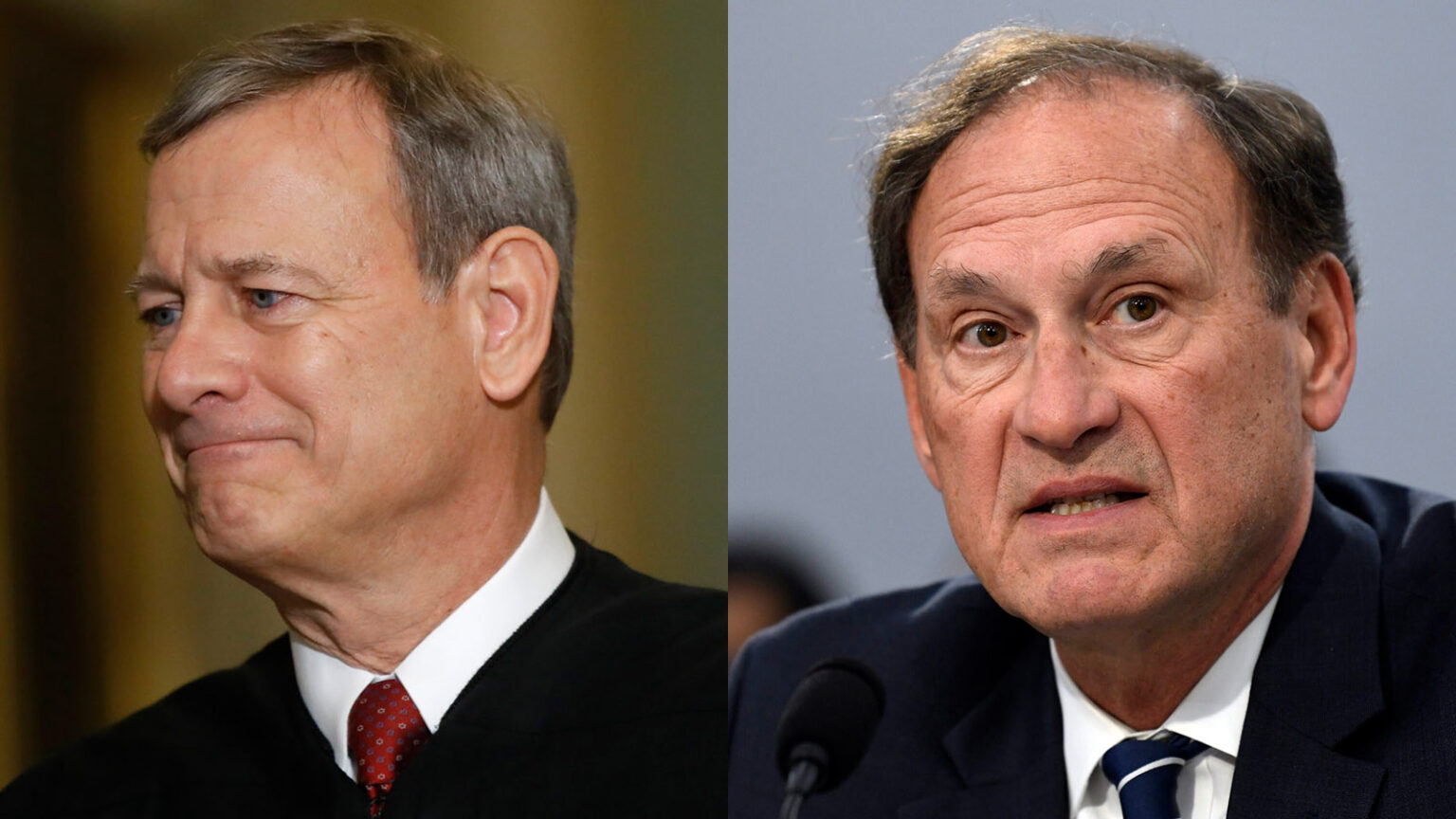
WASHINGTON — Chief Justice John Roberts has directly challenged the perception that the U.S. Supreme Court operates as a political body, insisting in a rare public address that justices make decisions based on the law—not political pressure or partisan agendas.
Speaking to the Georgetown Law School graduating class on May 12, 2025, Roberts framed the court’s role as one of judicial independence, even as public trust in the institution has eroded following controversial rulings on abortion, affirmative action, and presidential immunity. His remarks reach amid growing bipartisan criticism that the court has become increasingly politicized, with some lawmakers and legal scholars arguing that recent decisions reflect ideological rather than legal reasoning.
“The American people wrongly view the justices as ‘political actors,’” Roberts said, according to a transcript obtained by Associated Press. “Our job is to make unpopular rulings when necessary—not to reflect the popular will.” The statement underscores a long-standing tension between the court’s constitutional mandate and its perceived role in America’s polarized political landscape.
Why Roberts’ Defense Matters in a Polarized Era
Roberts’ remarks reflect a broader struggle within the judiciary to maintain legitimacy amid record-low public approval. A Pew Research Center survey from April 2025 found that only 38% of Americans trust the Supreme Court to do what is right “most of the time,” down from 52% in 2020. The decline coincides with landmark decisions that divided the nation, including:
- The overturning of Roe v. Wade (2022), which eliminated federal abortion protections.
- The rejection of affirmative action in college admissions (2023).
- The ruling on presidential immunity in Trump v. United States (2024).
Critics argue these rulings were driven by conservative ideology rather than neutral legal analysis. Roberts’ defense—while legally correct—risks being seen as tone-deaf in an era where the court’s decisions are increasingly tied to partisan outcomes. Legal scholars note that while the Constitution requires judges to be “above politics,” the reality of judicial appointments means justices are often nominated based on their ideological leanings.
“Unpopular Rulings” vs. Judicial Independence
Roberts’ emphasis on “unpopular rulings” echoes a 2023 speech where he acknowledged that the court’s job is “not to be popular.” But, his latest remarks may do little to reassure skeptics. The Brookings Institution has warned that the court’s legitimacy hinges on perceived fairness, not just legal correctness. With public trust at historic lows, even Roberts’ most principled defenses may struggle to counter perceptions of bias.
“The problem isn’t that the court makes unpopular decisions—it’s that the public believes those decisions are driven by politics,” said Sarah Barringer Gordon, a legal historian at the University of Pennsylvania. “Roberts’ framing doesn’t address the core issue: whether the court’s process is transparent enough for Americans to trust its outcomes.”
What Happens Next: Court Watchers Weigh In
Legal experts say Roberts’ comments are unlikely to shift public opinion significantly, but they may influence future nominations. The next Supreme Court vacancy—expected within the next two years—will be critical. If President Biden or a future administration nominates a justice seen as ideologically balanced, it could assist restore confidence. Conversely, further divisive rulings risk deepening the court’s legitimacy crisis.
For now, the court’s next major case—Students for Fair Admissions v. Harvard, set for oral arguments in October 2026—will be closely watched. The case could redefine higher education affirmative action policies and further test public perceptions of the court’s impartiality.
Key Takeaways
- Legitimacy Crisis: Public trust in the Supreme Court has fallen to 38%, with many viewing it as a partisan institution.
- Roberts’ Defense: The Chief Justice insists justices make decisions based on law, not politics—though critics argue recent rulings contradict this.
- Next Vacancy: The court’s next appointment could determine whether its legitimacy improves or worsens.
- Upcoming Case: Students for Fair Admissions v. Harvard (October 2026) may further test perceptions of judicial fairness.
Where to Follow Updates
For real-time coverage of Supreme Court developments, monitor:
- Official Supreme Court Website (for opinions and orders).
- SCOTUSblog (for case analysis and news).
- Pew Research Center (for public opinion trends).
The Supreme Court’s next scheduled oral arguments begin October 7, 2026, with Students for Fair Admissions v. Harvard leading the docket. We’ll provide live updates as the term progresses.
Keep reading
- Bridge Damage Causes Heavy Traffic Jams in Hamburg
- Woman’s Animal Costume Dance at Gentse Feesten Leads to Huge Surprise from Partner
- Advocating for Justice: Virginia Interfaith Center’s Mission for Equity (news-usa.today)
- Luke Littler Defends World Matchplay Title With Record-Breaking Performance (archyworldys.com)