
In the evolving landscape of Mexican governance and judicial oversight, the legal status of high-ranking regional officials remains a focal point of public interest. María Eugenia Campos Galván, the Governor of Chihuahua, has recently been at the center of attention regarding her interactions with federal authorities. Understanding the nuances of these legal developments requires a clear look at the role of the Fiscalía General de la República (FGR) and the nature of the proceedings involving state-level leadership.
The FGR, acting as the federal prosecutor’s office in Mexico, oversees investigations that cross state lines or involve federal jurisdiction. When an official is summoned by this body, it is typically to clarify information regarding ongoing investigations, often serving in a capacity that allows the agency to gather testimonial evidence. For observers of Mexican politics, these procedural milestones are significant as they highlight the intersection of state executive power and federal law enforcement mandates.
Understanding the Role of the FGR in State Governance
The Fiscalía General de la República operates under the legal framework established by the Constitution of Mexico and the Organic Law of the Federal Public Prosecutor’s Office. These mandates empower the institution to investigate crimes of federal nature, including corruption, organized crime, and financial improprieties. When a public servant is requested to provide a statement, it is a routine, albeit high-profile, step in the investigative process. According to the official mandate of the FGR, the institution’s primary responsibility is to ensure the impartial administration of justice, regardless of the political standing of the individuals involved in an inquiry.
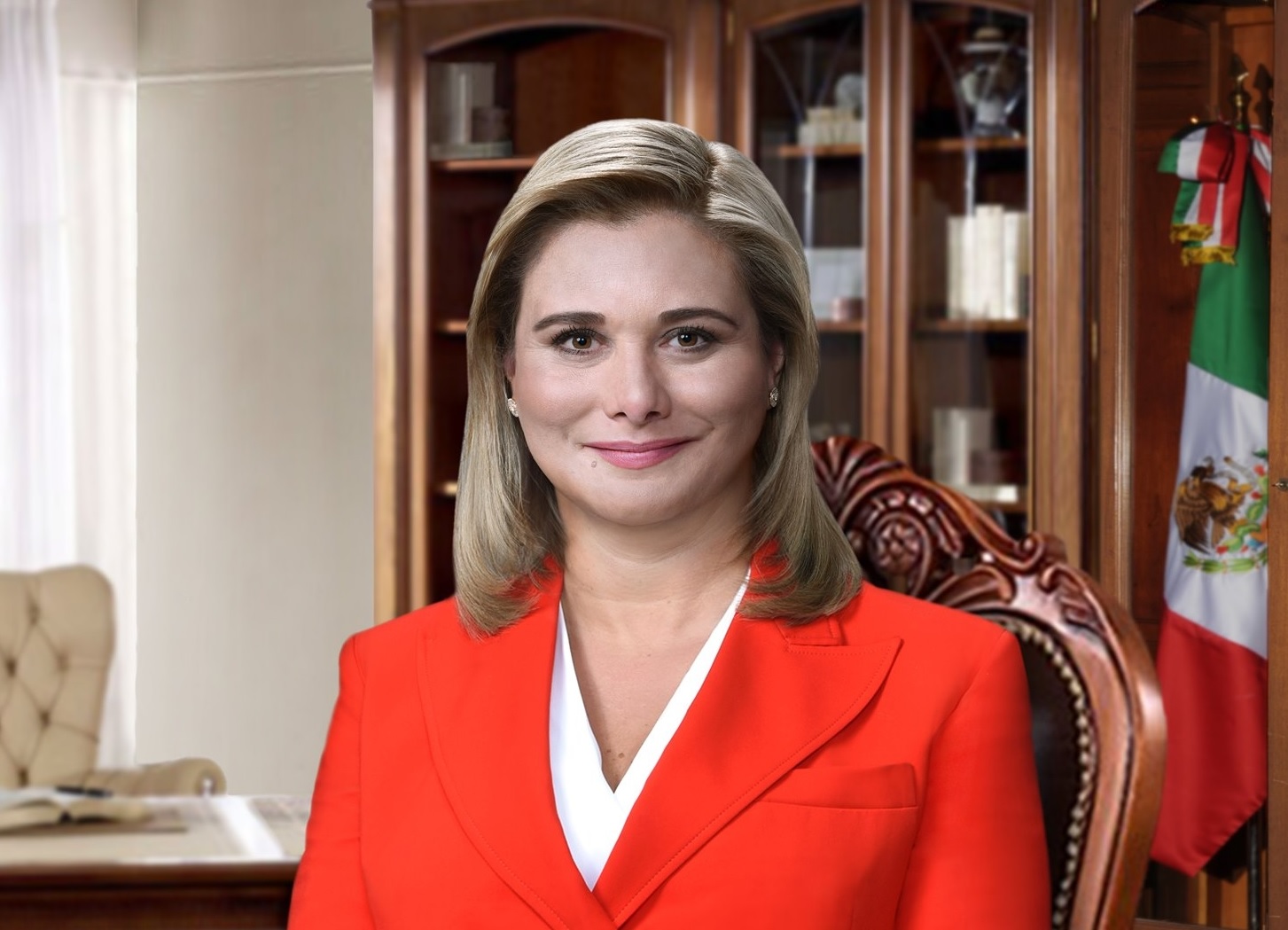
In the context of Chihuahua’s administration, the governor’s office has historically navigated various legal challenges. These inquiries often stem from complex allegations regarding public resource management or historical administrative actions. It is essential to distinguish between being called as a witness—a procedural requirement to provide information—and being subject to formal charges, which would trigger a different set of constitutional protections and judicial requirements.
The Legal Framework and Public Transparency
Transparency and accountability are central to the public discourse surrounding the administration of Governor Campos. In Mexico, the process for addressing potential misconduct by elected officials involves specific legislative and judicial hurdles, including the potential for impeachment or the lifting of immunity (fuero), depending on the severity and nature of the accusations. The current proceedings involving federal authorities are monitored closely by legal analysts who track how these interactions impact state stability and the separation of powers.
The interaction between state executives and federal prosecutors is governed by the National Code of Criminal Procedures. This code outlines the rights of individuals summoned by the authorities, ensuring that due process is maintained throughout the investigative phase. For the citizens of Chihuahua, the goal remains the continuity of government services and the assurance that legal investigations are conducted with integrity and according to the rule of law.
Key Considerations for the Public
- Procedural Status: Being summoned as a witness is a standard legal procedure aimed at gathering testimony and does not inherently imply guilt or the filing of criminal charges.
- Federal Jurisdiction: The FGR handles cases that fall outside the purview of state-level prosecutors, typically involving federal funds or national security concerns.
- Institutional Accountability: Both state and federal entities are bound by constitutional provisions that regulate how public officials interact with the justice system.
What Happens Next?
As the legal process continues, the next steps typically involve the scheduling of testimonial sessions and the subsequent review of evidence by federal prosecutors. There is no predetermined timeline for these administrative actions, as the pace is dictated by the complexity of the evidentiary requirements and the availability of the parties involved. Official updates regarding these proceedings are usually published through the FGR’s official communication channels, which serve as the definitive source for information on ongoing federal investigations.

For those following the political climate in Chihuahua, it is recommended to rely on verified documentation and official statements rather than speculative commentary. The legal system in Mexico is designed to function through formal filings and court orders, and any definitive changes in the governor’s legal status would be a matter of public record. We will continue to monitor these developments as they unfold and provide updates based on verified information from official sources.
We invite our readers to share their thoughts on the importance of judicial transparency in regional governance. What role do you believe federal oversight plays in maintaining the integrity of state-level institutions? Join the conversation below.