
In the complex landscape of public health policy and judicial oversight in Peru, the provision of medical care to high-profile detainees remains a subject of intense public and legal scrutiny. Recent reports concerning the medical attention provided to former President Pedro Castillo at the Edgardo Rebagliati Martins National Hospital have sparked significant debate regarding institutional protocols, the impartiality of medical audits, and the transparency of healthcare delivery within the correctional system.
As a physician and health journalist, I have observed that when medical care intersects with high-stakes political proceedings, the standard of care must remain anchored in clinical ethics and administrative transparency. The discussions surrounding Castillo’s medical evaluations involve not only the immediate health needs of the patient but also the procedural integrity of the EsSalud (Social Health Insurance) system, which manages the Rebagliati facility. Understanding these developments requires a clear view of how medical auditors and clinical staff navigate the pressure of both patient confidentiality and public accountability.
The Intersection of Clinical Care and Judicial Oversight
The medical status of Pedro Castillo, who has been in custody since his removal from office in December 2022, has been a recurring point of interest for both his legal defense team and the Peruvian judiciary. Under Peruvian law, detainees retain the right to adequate medical treatment, a mandate overseen by the National Penitentiary Institute (INPE) in coordination with the Ministry of Health and specialized facilities like the Rebagliati Hospital. According to the National Penitentiary Institute (INPE), all medical transfers for inmates must be cleared through established security and health protocols to ensure that neither the treatment nor the transit poses a risk to the public or the detainee.

Public discourse has recently focused on the speed and nature of the medical attention provided. Critics and observers have questioned whether the administrative process—often involving medical auditors like those tasked with validating clinical necessity—is being applied uniformly. When a patient is transferred from a detention center to a major teaching hospital like Rebagliati, the internal audit department is responsible for ensuring that the medical necessity meets the criteria for specialized care, as outlined in the EsSalud institutional guidelines. This process is designed to prevent the misuse of hospital resources while guaranteeing that the constitutional right to health is upheld.
Understanding the Role of the Medical Auditor
In the context of hospital administration, the role of a medical auditor is frequently misunderstood. These professionals act as the bridge between clinical practice and institutional policy. Their primary function is to verify that the procedures performed, or requested, align with the patient’s diagnosis and the facility’s capacity. In high-profile cases, the auditor’s signature is not merely a formality. it is an affirmation that the medical intervention is evidence-based and compliant with existing legal and ethical frameworks.
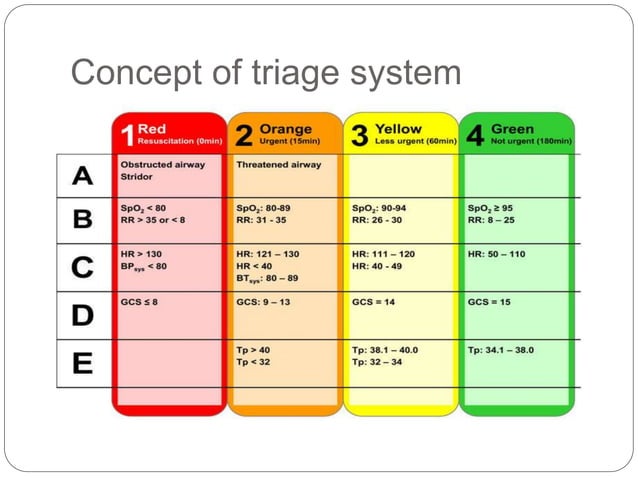
When questions arise regarding the speed of medical attention for a public figure, it is essential to distinguish between preferential treatment and the standard triaging process. In major trauma and referral centers such as the Rebagliati Hospital, triage is based on clinical urgency. The medical staff is bound by the Colegio Médico del Perú (Peruvian Medical Association) ethical code, which mandates that care be provided based on the severity of the patient’s condition, regardless of their social or political standing. Any deviation from this, or any perception of administrative shortcuts, naturally invites public skepticism, which is why transparency in reporting these medical events is critical for maintaining public trust in the healthcare system.
Institutional Transparency and Public Health
The controversy surrounding the medical attention provided to Pedro Castillo highlights the broader challenge of providing medical services within a polarized political environment. For the medical community, the goal remains the preservation of health and the adherence to clinical excellence. When journalists or public figures intercept medical personnel to demand explanations, it underscores the tension between the right to information and the right to patient privacy, which is protected under international medical standards and local health regulations.
For the general public, it is important to understand that the healthcare system’s primary responsibility is to the patient. While the public interest in the condition of a former head of state is understandable, the clinical decisions made within the walls of a hospital must remain free from external political pressure. The Defensoría del Pueblo (Ombudsman’s Office) in Peru frequently intervenes in cases where the rights of detainees are at stake, ensuring that the state meets its obligations to provide humane treatment and necessary medical care without discrimination or undue delay.
Key Takeaways for Readers
- Right to Healthcare: Detainees, including former public officials, retain the constitutional right to medical attention while in custody.
- Clinical Triage: Medical interventions at hospitals like Rebagliati are governed by clinical urgency protocols, not political status.
- The Audit Function: Medical auditors serve to ensure that resource allocation is transparent, evidence-based, and compliant with national health policy.
- Privacy Standards: Despite public interest, patient confidentiality remains a cornerstone of the medical profession, limiting the amount of information that can be disclosed to the press.
Looking Ahead: The Path Forward
As the legal situation regarding Pedro Castillo continues to evolve, further medical evaluations are likely to be requested by his legal representatives. Each of these requests will trigger the same institutional review processes, involving the INPE, the judiciary, and the medical staff at the assigned health facilities. The next steps will depend on the findings of ongoing judicial hearings and the specific medical recommendations provided by treating physicians.
For those tracking these developments, official updates regarding the health of detainees are typically provided through the communication offices of the INPE or the Ministry of Health. It is advisable to rely on these verified channels rather than speculative reporting to understand the status of medical interventions in the correctional system. As we continue to monitor this intersection of policy and health, I invite you to share your thoughts on how healthcare systems can better balance transparency with the fundamental right to patient privacy. Your engagement helps foster a more informed public discourse on these essential topics.
Related reading