Riga, Latvia – Health officials in Latvia have confirmed three cases of Chikungunya virus infection in individuals who recently travelled to the Seychelles Islands. The cases, identified in February and early March 2026, represent the first confirmed instances of the mosquito-borne illness reported in Latvia this year, raising public health awareness and prompting guidance for travellers.
The confirmation comes as the Seychelles experiences an ongoing outbreak of Chikungunya, with a significant number of cases reported among tourists. While the risk of local transmission within Latvia is currently considered low due to the winter climate and lack of suitable mosquito vectors, health authorities are closely monitoring the situation and advising residents to take precautions when travelling to affected regions. The cases highlight the increasing risk of imported infectious diseases in a globally interconnected world.
Chikungunya Virus: Symptoms and Transmission
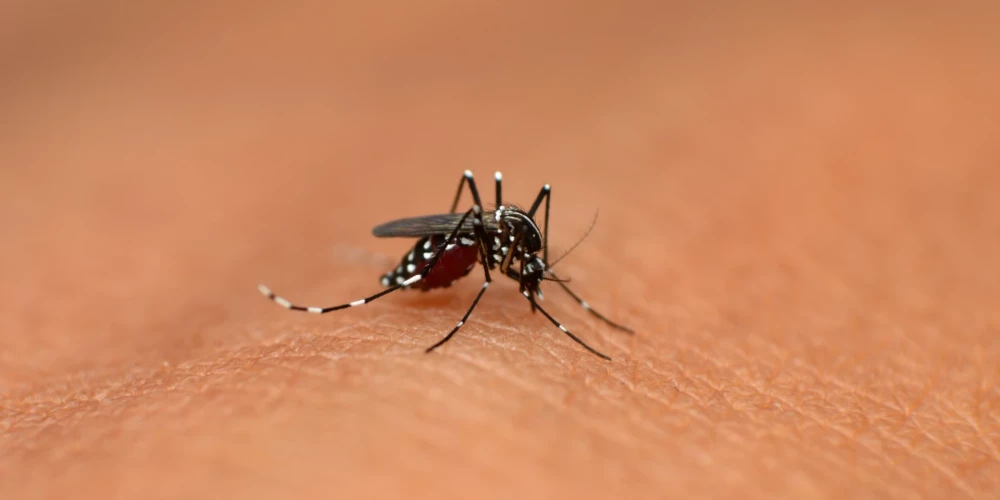
Chikungunya virus is transmitted to humans through the bite of infected Aedes mosquitoes, primarily Aedes aegypti and Aedes albopictus. These mosquitoes are prevalent in tropical and subtropical regions worldwide. The virus is not directly transmitted from person to person, but a mosquito can become infected by biting an infected person and then spread the virus to others through subsequent bites. Latvian news outlet LSM.lv reports that the three confirmed cases involved individuals who travelled to the Seychelles between December 20, 2025 and January 7, 2026.
The most common symptoms of Chikungunya virus infection include fever, joint pain (often severe and debilitating), muscle pain, headache, fatigue, and rash. Symptoms typically appear 3-7 days after the bite of an infected mosquito. While most people recover fully, some individuals may experience chronic joint pain that can last for months or even years. According to nra.lv, the name “Chikungunya” originates from the way patients often bend over in pain due to the severe joint discomfort.
Latvia’s Confirmed Cases and Travel History
The Latvian Centre for Disease Prevention and Control (SPKC) confirmed that two of the three cases are family members, while the third is unrelated. The SPKC stated that the cases were identified during the 2nd, 3rd, and 4th weeks of 2026. The SPKC’s official statement emphasizes that while the virus has been imported, the likelihood of local transmission in Latvia remains low due to the current climate conditions, which are not conducive to Aedes mosquito activity.
The situation in the Seychelles is particularly concerning, with a significant increase in cases reported in recent months. Since November 2025, ten European countries have reported over 70 travel-associated cases linked to the Seychelles, representing a substantial rise compared to previous periods. Globally, as of January 31, 2026, 11 countries (excluding EU/EEZ nations) have reported 2,881 cases of Chikungunya virus, with no associated fatalities, according to data cited by the SPKC.
Expanding Regional Concerns
The outbreak is not limited to the Seychelles. Increased Chikungunya virus activity has also been reported in other Indian Ocean islands, including Mauritius, Comoros, and the French overseas territories of Réunion and Mayotte. Both Réunion and Mayotte experienced significant outbreaks in 2025, indicating a broader regional spread of the virus. The SPKC notes that the emergence of Chikungunya in the Seychelles aligns with this wider regional distribution.
Public Health Response and Recommendations
Latvian health authorities are advising travellers to the Seychelles and other affected regions to take preventative measures to avoid mosquito bites. These include:
- Using insect repellent containing DEET, picaridin, or IR3535.
- Wearing long-sleeved shirts and long pants.
- Staying in accommodations with air conditioning or mosquito screens.
- Avoiding areas with high mosquito populations, particularly during peak biting hours (dawn and dusk).
Individuals returning from affected areas who develop symptoms of Chikungunya virus infection are urged to seek medical attention and inform their healthcare provider of their travel history. Early diagnosis and supportive care can help manage symptoms and prevent complications.
Global Surveillance and Reporting
The World Health Organization (WHO) actively monitors the global spread of Chikungunya virus and provides guidance to member states on prevention and control measures. The WHO emphasizes the importance of strengthening surveillance systems, improving mosquito control programs, and raising public awareness about the virus and its transmission. The WHO’s fact sheet on Chikungunya provides comprehensive information about the virus, its symptoms, transmission, diagnosis, treatment, and prevention.
What to Expect Next
The SPKC will continue to monitor the situation closely and provide updates as needed. Health officials are also collaborating with international partners to track the spread of the virus and assess the risk of further imported cases. The next official update from the SPKC regarding the Chikungunya situation is expected in mid-March 2026, following a review of surveillance data and travel patterns. Travellers are encouraged to consult the SPKC website and the WHO website for the latest information and recommendations.
The emergence of these cases serves as a reminder of the ongoing threat posed by vector-borne diseases and the importance of vigilance in protecting public health. As global travel continues to increase, the risk of importing infectious diseases will likely remain elevated, necessitating robust surveillance systems and effective prevention strategies.
Have you travelled to the Seychelles recently? Share your experiences and concerns in the comments below. Please also share this article with your friends and family to raise awareness about Chikungunya virus and how to protect themselves.