Washington D.C. – The conflict initiated by the Trump administration against Iran is escalating, marked by intense aerial bombardments and a rapidly evolving geopolitical landscape. While President Trump frames the operation as a decisive move to dismantle Iran’s military capabilities and prevent nuclear proliferation, the situation on the ground is increasingly complex, with reports of escalating casualties and regional instability. The United States, in coordination with Israeli forces, has reportedly targeted key leadership figures within Iran’s religious and military establishment, a move that has triggered retaliatory strikes and raised fears of a wider regional war.
The recent escalation follows years of heightened tensions between Washington and Tehran, stemming from Iran’s nuclear program, its regional influence, and its support for proxy groups. President Trump has long been a vocal critic of the 2015 Iran nuclear deal, formally withdrawing the U.S. From the agreement in 2018 and reimposing sanctions. His administration has consistently accused Iran of violating the terms of the deal and pursuing ballistic missile development, allegations Iran denies. This latest military action represents a significant departure from diplomatic efforts and a clear signal of a more confrontational approach.
The Scope of the Offensive and Initial Impacts
The U.S. Military launched what it has termed a large-scale combat operation in Iran on February 28, 2026, utilizing cruise missiles, including Tomahawk missiles, as evidenced by images released by U.S. Central Command. Le Monde reports that the operation aimed to “decimate the summit of power” within Iran. President Trump, speaking from Andrews Air Force Base upon his return to Washington, described the situation as a “war at random,” acknowledging the lack of a fully developed strategy. He suggested the conflict could be resolved quickly, potentially within “two or three days,” or could extend indefinitely, depending on Iran’s response.
The initial phase of the offensive has focused on targeting Iranian infrastructure related to missile production and naval capabilities, aligning with the objectives outlined by President Trump: to destroy missile manufacturing facilities, cripple the Iranian navy, and prevent the development of nuclear weapons. However, the operation has not been without consequences. The Iranian Red Crescent has reported over 500 fatalities within Iran since the start of the attacks, a figure that has not been independently verified but underscores the scale of the conflict. Tragically, the conflict has also claimed the lives of American service members, with three U.S. Soldiers confirmed dead as of March 1, 2026, according to reports.
Trump’s Justification and Shifting Rhetoric
President Trump has repeatedly justified the military action as necessary to eliminate a “intolerable threat” posed by Iran. He claims Iranian officials ignored warnings and continued to pursue nuclear weapons and expand their ballistic missile program, posing a danger to U.S. Forces stationed abroad and potentially to the American homeland. He has stated that a nuclear-armed Iran would represent an unacceptable risk to the Middle East and global security.
However, Trump’s rhetoric has been characterized by inconsistency. While advocating for the removal of the current Iranian regime, he has also expressed a willingness to engage in diplomatic talks, stating, “They want to talk, and I’ve agreed to talk, so I will talk.” This fluctuating messaging has fueled criticism that the administration lacks a coherent strategy and is improvising as the situation unfolds. The President’s comments about potentially ending the conflict quickly, or prolonging it indefinitely, further contribute to this perception of uncertainty.
Regional Repercussions and International Response
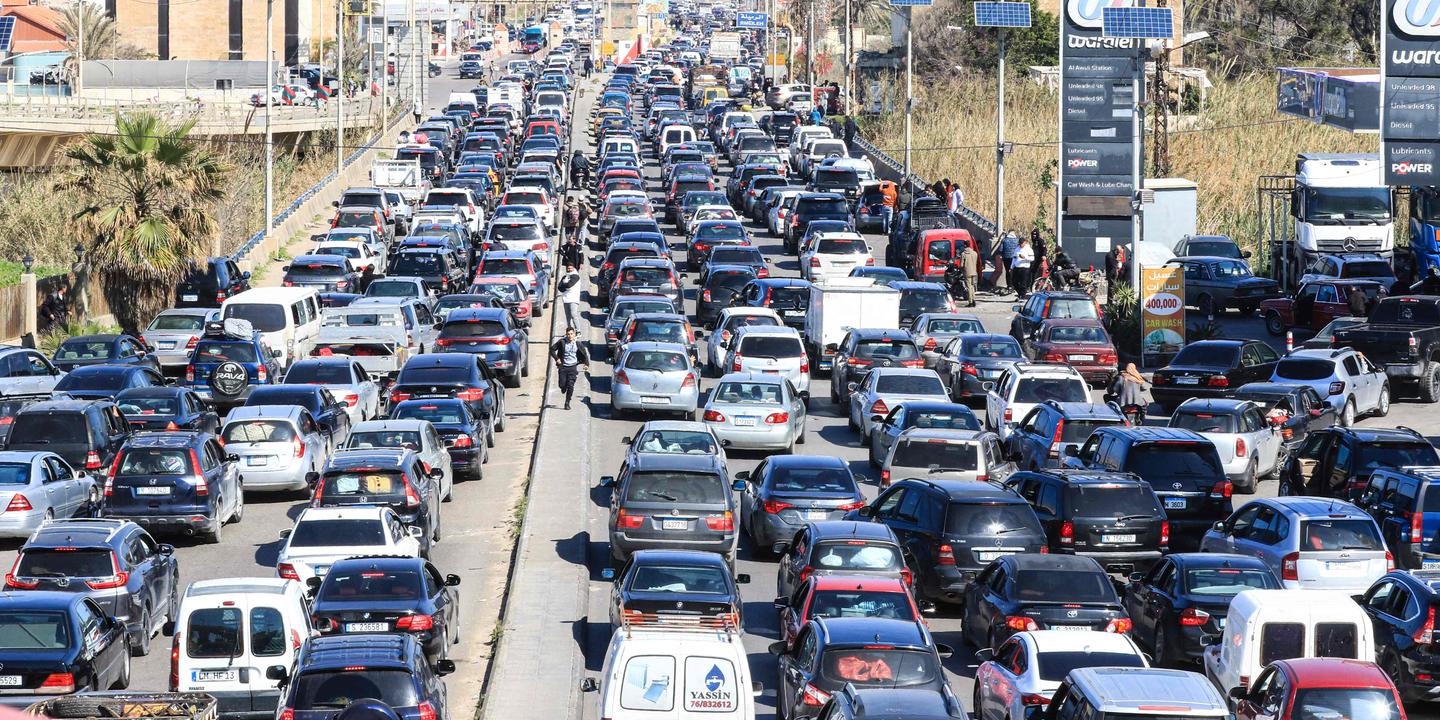
The U.S.-led offensive against Iran has already triggered a series of retaliatory strikes by Iranian-backed forces against neighboring countries. This has heightened concerns about a wider regional conflict, potentially drawing in other actors such as Saudi Arabia, Yemen, and Syria. Lebanon has been particularly affected, with reports of at least 50 deaths following Israeli attacks, though details remain fragmented and verification is ongoing. The potential for escalation is significant, and the risk of miscalculation remains high.
The international community has reacted with a mix of concern and condemnation. While some allies have expressed support for the U.S. Action, others have urged restraint and called for a diplomatic solution. The offensive against Iran has also sparked debate within the U.S. Congress, with lawmakers divided over the legality and justification for the military intervention. RFI reports that the offensive is dividing the “MAGA” movement within the United States, highlighting the domestic political implications of the conflict.
State of the Union Address and Iranian Response
Prior to the commencement of military operations, President Trump addressed the nation in his 2026 State of the Union speech, claiming that Iran was developing missiles capable of striking the United States. France 24 reports that an Iranian foreign ministry spokesman dismissed these claims as “baseless accusations.” The Iranian government has consistently maintained that its nuclear program is for peaceful purposes and that its missile development is solely for defensive purposes.
The Iranian government has condemned the U.S. Attacks as a violation of international law and a blatant act of aggression. It has vowed to retaliate and has warned that any further attacks will be met with a forceful response. The situation remains highly volatile, and the potential for further escalation is significant.
Duration and Potential Outcomes
President Trump has indicated that the initial plan envisioned a conflict lasting four to five weeks, but he also acknowledged the U.S. Has the capacity to sustain operations for a longer period. However, the unpredictable nature of the conflict and the potential for escalation make it difficult to predict its duration or ultimate outcome. Several potential scenarios could unfold, ranging from a limited military intervention focused on dismantling Iran’s military capabilities to a protracted regional war with far-reaching consequences.
The success of the U.S. Offensive will depend on a number of factors, including the ability to effectively target Iranian military infrastructure, the level of resistance from Iranian forces and their proxies, and the willingness of the international community to support or oppose the intervention. A diplomatic solution remains the preferred outcome, but the prospects for negotiations appear dim given the current level of mistrust and hostility between Washington and Tehran.
The situation in the Middle East is rapidly evolving, and the conflict between the U.S. And Iran is likely to have profound implications for regional stability and global security. The coming weeks will be critical in determining the trajectory of the conflict and its ultimate outcome.
The U.S. State Department is expected to provide an updated briefing on the situation in Iran on March 8, 2026. Readers are encouraged to monitor official government sources for the latest information and developments.
What are your thoughts on the escalating conflict? Share your perspectives in the comments below.
Related reading