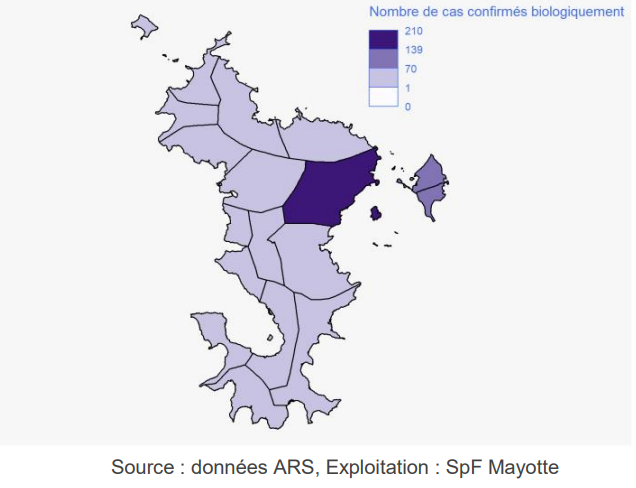
As the medical community continues to monitor vector-borne diseases across global territories, the recent epidemiological data emerging from Mayotte provides a moment of cautious optimism. Public health surveillance indicates that the circulation of the chikungunya virus has experienced a consistent decline over the past four weeks, marking a potential shift in the local transmission landscape of this debilitating viral illness.
For residents and travelers in regions where the virus is endemic, understanding the trajectory of such outbreaks is vital. Chikungunya, a disease primarily transmitted through the bite of infected Aedes mosquitoes—specifically Aedes albopictus and Aedes aegypti—often presents with a sudden onset of fever and severe, sometimes incapacitating, joint pain. While the current trend in Mayotte suggests a cooling of the outbreak, the nature of this virus necessitates ongoing vigilance from both health authorities and the general public.
Understanding the Chikungunya Landscape
The chikungunya virus is an RNA virus belonging to the Togaviridae family. Its name, derived from the Kimakonde language of southern Tanzania, translates to “that which bends up,” a poignant reference to the contorted posture often adopted by patients suffering from the intense joint pain associated with the infection. According to the World Health Organization (WHO), symptoms typically manifest after an incubation period of a few days to two weeks following exposure to an infected mosquito.
While the fever and joint pain are the most commonly reported clinical markers, patients may also experience muscle pain, headaches, nausea, fatigue and skin rashes. It is a condition that, while rarely fatal, can lead to prolonged suffering. In some instances, the joint pain—medically termed arthralgia—can persist for months or even years, impacting the long-term quality of life for those affected. The Centers for Disease Control and Prevention (CDC) notes that while outbreaks have been documented across Africa, Asia, Europe, and the Americas, the risk remains significant in areas where the vector mosquitoes thrive.
Diagnostic Challenges and Public Health Response
One of the primary difficulties in managing chikungunya is its clinical similarity to other mosquito-borne viruses, most notably dengue, and Zika. Because these viruses often circulate in the same geographical areas and share common vectors, misdiagnosis remains a persistent hurdle for healthcare providers trying to quantify the true scale of an outbreak. Accurate identification usually requires specific laboratory testing, such as blood tests to detect viral RNA or the presence of antibodies.
The global response to the virus has evolved significantly in recent years. While there is no specific antiviral treatment for chikungunya, medical management focuses on supportive care, utilizing analgesics and antipyretics like paracetamol to manage fever and discomfort. The development of vaccines has introduced a new layer of potential protection. The WHO reports that two vaccines have received regulatory approval in several jurisdictions, though their widespread availability and integration into public health programs remain ongoing processes of evaluation by global health experts.
Prevention: The First Line of Defense
Until vaccines are universally accessible and deployed, the most effective strategy for curbing the transmission of the virus remains the prevention of mosquito bites. Public health mandates in affected regions typically emphasize rigorous vector control, including the elimination of standing water where mosquitoes breed and the use of protective measures such as insecticide-treated bed nets, long-sleeved clothing, and EPA-registered insect repellents.
For those residing in or planning to travel to areas where the virus is present, the following precautions are standard recommendations:
- Environmental Management: Remove or cover containers that collect rainwater, as these are primary breeding grounds for Aedes mosquitoes.
- Personal Protection: Apply repellents containing DEET, picaridin, or IR3535, and ensure window and door screens are intact.
- Timing Considerations: Be aware that Aedes mosquitoes are primarily daytime biters, with peak activity often occurring around dawn and in the late afternoon.
Looking Ahead: Maintaining Vigilance
The recent four-week decline in viral circulation in Mayotte is a positive indicator, but it does not signal the end of the threat. Infectious disease dynamics are inherently unpredictable, and the presence of the virus in the environment means that sporadic cases can emerge at any time. Health departments continue to monitor the situation closely, and residents are encouraged to stay informed through official local health updates.
As we move forward, the integration of new vaccine data and continued focus on mosquito population control will be the cornerstones of mitigating future outbreaks. The global health community remains committed to refining these strategies to protect vulnerable populations, particularly the very young and the elderly, who are at the highest risk for severe complications.
For readers seeking the latest verified data on regional health trends, I recommend regularly consulting the official portals of your national health authority. If you have questions about specific risks in your area or travel concerns, discussing these with a primary care physician or a travel medicine specialist is the most reliable way to obtain personalized, evidence-based guidance. I invite you to share your thoughts in the comments section below or join the conversation on our social media platforms as we continue to track this developing situation.