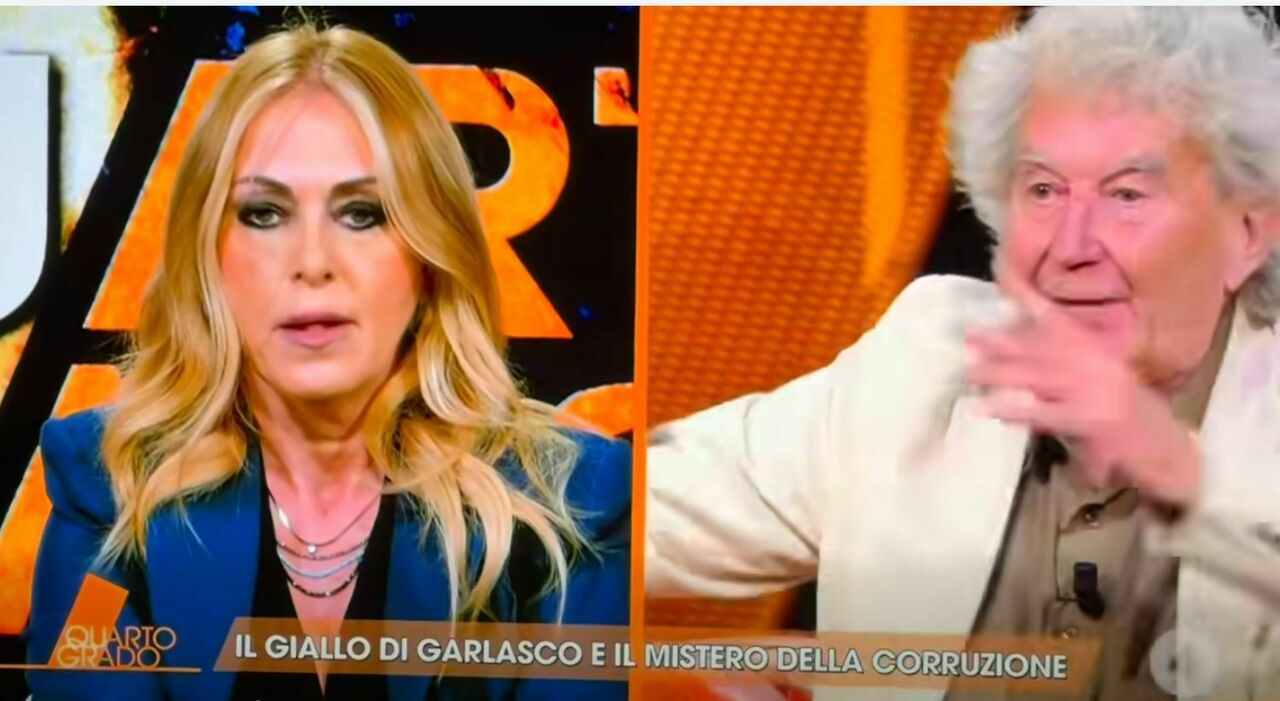
In the high-stakes world of Italian television media, public discourse often blurs the lines between professional commentary and personal confrontation. A recent televised exchange involving criminologist Roberta Bruzzone and an attorney regarding the Sempio case has drawn significant attention, illustrating the intense scrutiny that characterizes the intersection of legal advocacy and public opinion.
The debate, which unfolded during a live broadcast, centered on the complexities of the Sempio case—a matter that has long remained a focal point for both legal experts and the public. As the discussion progressed, the nature of the interaction shifted from a technical analysis of the case to a direct, heated exchange of accusations. Such moments serve as a reminder of the volatile nature of media appearances when high-profile legal matters are debated in the public square.
The Dynamics of Televised Legal Debates
The incident featured a sharp confrontation where Roberta Bruzzone, known for her frequent appearances as a forensic expert and criminologist, directed pointed comments toward the attorney involved. The exchange reached a crescendo when Bruzzone explicitly challenged the legal professional to provide a transparent account of his activities and, in a sharp critique, suggested he “pay his taxes.”
These types of televised clashes often highlight the underlying tensions between different actors within the criminal justice system. While experts such as criminologists are tasked with providing analytical insights into criminal behavior and patterns—often through the application of psychological or social frameworks—legal representatives are bound by their duty to defend their clients’ interests within the courtroom. When these roles collide on air, the resulting friction often captures the public’s attention, though it rarely provides the nuance required to understand the actual roles and responsibilities of a criminologist in a professional capacity.
Understanding the Role of the Criminologist
Beyond the theatrics of talk shows, the field of criminology serves a distinct, evidence-based purpose in society. Criminologists do not act as detectives or investigators of individual cases; rather, they analyze broad patterns of criminal behavior to inform policy and prevention strategies. By studying the root causes of crime—ranging from environmental factors to systemic socioeconomic issues—these professionals contribute to the development of safer communities and more effective criminal justice frameworks.

The frustration expressed during the Sempio case debate may, in part, stem from the differing expectations placed on participants in public forums. While the audience often looks for definitive answers or “guilt” and “innocence,” the scientific approach favored by experts like Bruzzone is intended to be methodical and detached. When these approaches are disrupted by personal accusations, the focus shifts away from the case itself and toward the personalities involved, potentially obscuring the facts of the matter at hand.
Key Considerations in Media Confrontations
- Professional Boundaries: The line between rigorous debate and personal disparagement is frequently tested in live media environments.
- Expertise vs. Advocacy: Understanding the difference between a forensic analyst and a defense attorney is essential for viewers to contextualize televised arguments.
- The Impact of Public Scrutiny: High-profile cases often invite intense media coverage, which can influence public perception of legal proceedings.
Looking Ahead: The Sempio Case and Public Discourse
As the legal process continues, the fallout from such televised exchanges often lingers in the public consciousness, sometimes overshadowing the substantive legal developments of the case itself. Observers of the Italian justice system note that while media commentary can raise awareness, it also carries the risk of trivializing complex legal arguments through sensationalism. For those seeking accurate information regarding the Sempio case, it remains critical to distinguish between the commentary provided on talk shows and the official filings or statements issued by the relevant judicial authorities.
The next steps in the legal proceedings will ultimately be determined by the court, rather than the discourse occurring in the media. Stakeholders and observers are encouraged to follow official court updates and verified institutional statements to stay informed about the progress of the case. As this story continues to develop, the balance between freedom of speech in media and the integrity of ongoing legal investigations will remain a subject of significant debate.
We invite our readers to share their perspectives on the role of experts in media and how such confrontations shape public understanding of the justice system. Join the conversation in the comments section below.
Keep reading