
The Seoul and Incheon Metropolitan Offices of Education have launched a collaborative oral health education initiative in partnership with the Korea Dental Prevention Association, targeting young students across both regions. This program aims to improve dental hygiene among kindergarten and elementary school children by providing professional instruction on cavity prevention and proper brushing techniques.
As a physician, I have long advocated for early intervention in pediatric oral health. Preventive measures established during these formative years are essential for long-term dental health. According to the World Health Organization, oral health is a fundamental component of general health and quality of life, yet dental caries—commonly known as cavities—remain one of the most prevalent chronic conditions in children globally.
Core Components of the Pediatric Dental Program
The curriculum developed by the Korea Dental Prevention Association focuses on practical, age-appropriate strategies to combat tooth decay. Rather than relying solely on clinical intervention, the program emphasizes daily habits that children can manage independently or with minimal parental supervision.

The educational framework includes three primary pillars:
- Customized Oral Health Management: Providing children with individualized guidance based on their current dental status and risk factors.
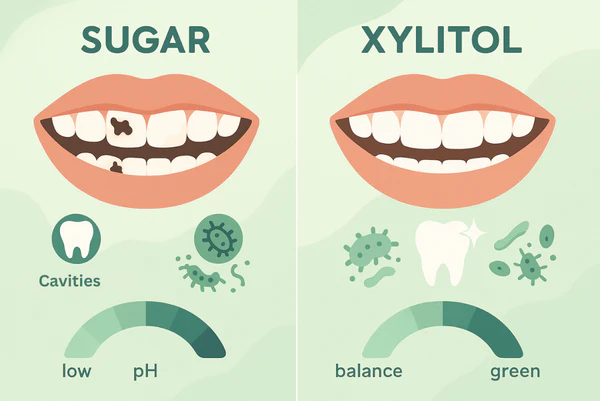
- The Role of Xylitol: Educating students on how xylitol, a naturally occurring sugar alcohol, can be used as a tool to inhibit the growth of cavity-causing bacteria.
- Brushing Techniques: Hands-on demonstrations designed to ensure students understand how to effectively remove plaque from hard-to-reach areas.
The emphasis on xylitol aligns with broader research regarding sugar substitutes. According to the American Dental Association, while xylitol is not a replacement for mechanical cleaning, it can reduce the levels of mutans streptococci in plaque and saliva, potentially lowering the risk of caries when used consistently as part of a comprehensive oral hygiene routine.
Why Early Education Matters for Oral Health
The burden of dental disease in children is significant. Untreated cavities can lead to pain, infection, and difficulty eating or speaking, which in turn affects a child’s school attendance and focus. By integrating these lessons into the school environment, the Seoul and Incheon education authorities are addressing the social determinants of health by ensuring that all children, regardless of their background, have access to fundamental dental knowledge.
Effective preventive education is often more cost-effective than restorative treatment. Data from the U.S. Centers for Disease Control and Prevention indicates that tooth decay is largely preventable through the use of fluoride, dental sealants, and consistent oral hygiene practices. By teaching these habits in schools, the program acts as a bridge between clinical dental care and home-based maintenance.
Integrating Habits into Daily Life
The success of this initiative will likely depend on the consistency of the reinforcement provided by educators and parents. The Korea Dental Prevention Association has designed these modules to be interactive, moving away from passive lecturing in favor of active participation.
For parents and guardians, the takeaway is clear: consistency is the most important factor in pediatric dental health. While programs like this provide a strong foundation, the transition from classroom knowledge to daily habit requires active support at home. This includes regular, supervised brushing and limiting the intake of fermentable carbohydrates that fuel the bacteria responsible for tooth decay.
Looking Ahead
The Seoul and Incheon Metropolitan Offices of Education have not yet released a formal timeline for the next phase of the program or specific metrics for assessing its long-term impact. However, the initiative serves as a model for how educational institutions and specialized medical associations can work together to improve public health outcomes.

As this program progresses, local health departments are expected to provide updates on student participation rates and any observed trends in dental health screenings. We encourage our readers to stay tuned to official announcements from their respective school districts for further information regarding upcoming workshops or health screenings.
If you have questions about your child’s specific dental needs, it is recommended that you consult with a pediatric dentist to develop a personalized care plan. Please share your thoughts or experiences with school-based health programs in the comments below.