
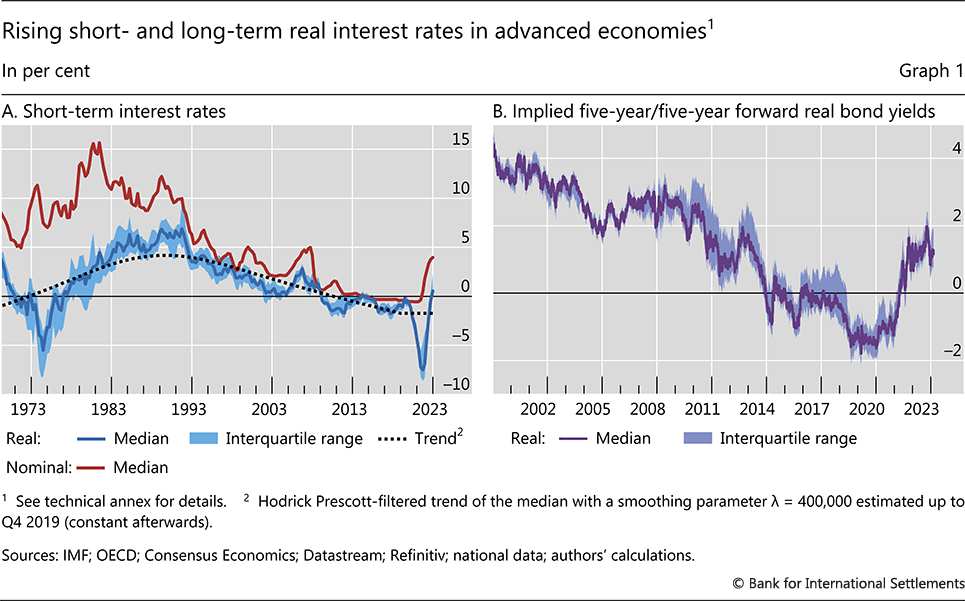
The landscape for U.S. fixed-income investors is shifting as market expectations for Federal Reserve interest rate cuts soften, leading to a renewed focus on short-term instruments like the Secured Overnight Financing Rate (SOFR). Investors are increasingly re-evaluating the role of short-duration assets as persistent inflation data and resilient labor market reports force a repricing of the interest rate outlook for the remainder of 2024.
As the Editor of the Sports and Financial Analysis desk here at World Today Journal, I have spent over a decade tracking how macro-economic trends influence capital allocation. The current environment presents a distinct pivot from the aggressive rate-cut narrative that dominated late 2023. According to the Federal Open Market Committee (FOMC) meeting minutes, officials remain cautious about the trajectory of inflation, suggesting that the “higher for longer” interest rate environment may persist longer than many market participants initially anticipated.
Understanding the Role of SOFR in Modern Portfolios
The Secured Overnight Financing Rate, or SOFR, has become a cornerstone of short-term dollar liquidity. It measures the cost of borrowing cash overnight, collateralized by U.S. Treasury securities. Because it is anchored to the actual volume of transactions in the Treasury repurchase market, it serves as a highly reliable benchmark for short-term interest rates.

For investors, the appeal of SOFR-linked assets lies in their relative immunity to the price volatility that often plagues longer-duration bonds when interest rates fluctuate. When the Federal Reserve maintains a restrictive policy stance, the yield on these instruments effectively tracks the federal funds rate. As reported by the Federal Reserve Bank of New York, SOFR provides a transparent, transaction-based reflection of overnight funding costs, making it a defensive tool for those seeking to mitigate interest rate risk in a climate of uncertainty.
Why Rate Expectations Are Changing
The shift from an expectation of imminent rate cuts to a more patient, data-dependent approach is rooted in recent economic indicators. Throughout the first half of 2024, U.S. Consumer Price Index (CPI) readings have frequently exceeded consensus forecasts, signaling that inflationary pressures remain embedded in the economy. The U.S. Bureau of Labor Statistics has noted that shelter and service-sector costs continue to exert upward pressure on headline figures, complicating the Fed’s dual mandate of price stability and maximum employment.

This reality has forced a recalibration in the futures market. Where investors once priced in multiple rate cuts beginning early in the year, the current sentiment reflects a much shallower path for monetary easing. This change has direct implications for cash management strategies. When rates remain elevated, the opportunity cost of holding idle cash diminishes, provided that capital is deployed into vehicles that capture these higher short-term yields.
Strategic Considerations for Short-Term Yield
Investors looking to navigate this environment often turn to active management strategies to optimize their positioning. Unlike passive indices, active management in the short-term space allows portfolio managers to adjust the duration and credit quality of holdings in response to shifting macroeconomic signals. This flexibility is essential when the Federal Reserve’s own guidance is subject to change based on monthly employment and inflation reports.
The primary benefit of an active approach is the ability to capitalize on “yield pick-up” opportunities within the short-term debt market. By monitoring the spread between various Treasury-backed instruments and the broader SOFR benchmark, managers can potentially enhance returns without significantly increasing the risk profile of the portfolio. According to market data from the U.S. Department of the Treasury, the daily yield on short-term securities remains a critical factor for institutional and retail investors alike as they weigh the benefits of liquidity against the desire for yield.
What Happens Next
The next major checkpoint for investors will be the upcoming FOMC policy announcement, where the Federal Reserve will release its updated Summary of Economic Projections. These “dot plot” updates provide a crucial window into the collective outlook of Fed governors regarding future rate adjustments. Market participants will be looking for confirmation of whether the central bank intends to hold rates at the current target range or if there is a path toward normalization later in the year.

Investors are advised to monitor the official Federal Reserve calendar for the exact timing of these policy statements and subsequent press conferences. As the financial environment continues to evolve, maintaining a disciplined, data-driven approach to short-term liquidity remains paramount. We encourage our readers to share their perspectives on the current interest rate outlook in the comments section below.