Teh Shifting Landscape of Critical Minerals: Geopolitics,Justice,and trade Disputes
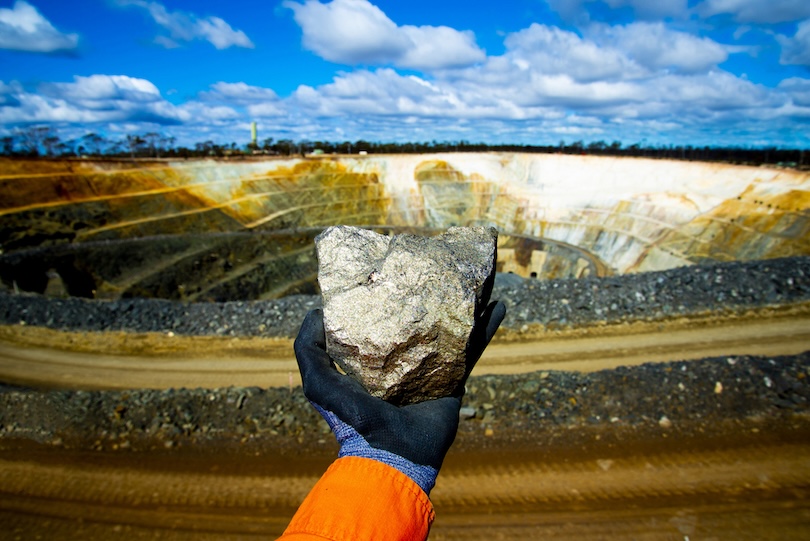
The global push for renewable energy and electric vehicles is dramatically reshaping the demand for critical minerals like lithium,cobalt,and nickel. This surge isn’t simply an economic shift; it’s triggering complex geopolitical tensions, raising critical questions about environmental and social justice, and sparking international trade disputes.Understanding these interconnected dynamics is crucial for navigating the evolving energy landscape.
the Rise of “Green Extractivisms” and Resource Competition
A new form of resource competition is emerging,often termed “green extractivism.” It’s characterized by a heightened focus on securing access too the minerals essential for green technologies. This pursuit, however, isn’t without its challenges.
* Increased demand is putting pressure on existing supply chains.
* New extraction projects often face local opposition due to environmental concerns and potential social disruption.
* Geopolitical rivalries are intensifying as nations vie for control over key mineral resources.
You’re likely seeing this play out in real-time, with countries strategically positioning themselves to become major players in the critical minerals market. This competition extends beyond simply securing supply; it also involves controlling processing and refining capabilities.
Energy Justice Concerns in South America
The transition to renewable energy shouldn’t come at the expense of local communities and ecosystems. In South america, the extraction of minerals for hydropower and copper is raising significant energy justice concerns.
* Conflicts are arising over land use, water access, and the distribution of benefits from resource extraction.
* Indigenous communities are often disproportionately affected by these projects.
* A focus on energy justice requires a more equitable and sustainable approach to resource development.
It’s vital to consider the full lifecycle impacts of renewable energy technologies, from mining to manufacturing to disposal, to ensure a truly just transition.
Indonesia’s Nickel Strategy and WTO Disputes
Indonesia has taken a especially assertive approach to maximizing the economic benefits of its vast nickel reserves. The country implemented policies aimed at encouraging domestic processing and restricting the export of raw nickel ore.This strategy has been met with challenges, notably a dispute brought before the World Trade Association (WTO).
* Indonesia initially required the use of benchmark prices for mineral and coal sales, but recently cancelled this requirement.
* The WTO dispute centers on whether Indonesia’s export restrictions violate international trade rules.
* This case highlights the tension between a nation’s right to develop its resources and the principles of free trade.
You can see how these policies are designed to move Indonesia up the value chain, transforming it from a raw material exporter to a producer of refined nickel products.However,this approach has sparked concerns among trading partners.
A Planet on the Brink: The Broader Climate Context
These resource-related issues are unfolding against the backdrop of a rapidly changing climate. Recent reports paint a stark picture of a planet facing increasingly severe environmental challenges.
* Global temperatures are continuing to rise,leading to more frequent and intense extreme weather events.
* Ecosystems are under stress, with biodiversity loss accelerating.
* Urgent action is needed to reduce greenhouse gas emissions and mitigate the impacts of climate change.
It’s clear that the pursuit of critical minerals must be aligned with broader climate goals. A sustainable energy transition requires not onyl clean energy sources but also responsible resource management.
The interplay between critical minerals, geopolitics, and climate change is complex and evolving. Navigating this landscape requires a nuanced understanding of the challenges and opportunities ahead. By prioritizing energy justice, promoting sustainable practices, and fostering international cooperation, we can work towards a more equitable and sustainable energy future for all.