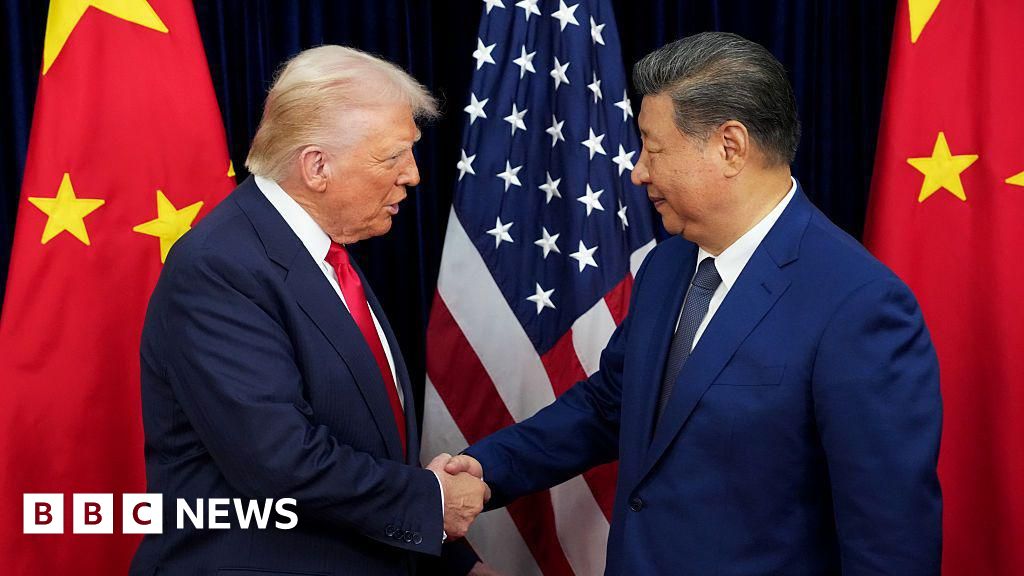
US-China Trade Tensions Ease Following High-Level talks
Recent discussions between US and Chinese leaders have yielded a series of agreements aimed at de-escalating trade tensions and addressing critical supply chain concerns. These commitments, detailed in a fact sheet released Saturday, build upon initial positive assessments from both sides following the meeting in South Korea. Let’s break down what this means for you and the global economy.
Key Outcomes of the US-China Trade discussions
The agreements cover a range of issues, from semiconductor supply to fentanyl precursors and agricultural trade. Here’s a closer look:
* Semiconductor Supply Chain: China has pledged to facilitate the resumption of trade from nexperia’s facilities within the country. This is crucial, as Nexperia, though based in the Netherlands, is Chinese-owned and plays a vital role in producing “legacy chips” essential for various industries. Approximately 70% of Nexperia’s European-made chips are sent to china for final processing and re-export.
* rare Earth Minerals: Beijing will pause its recently implemented export controls on rare earth minerals for one year.These minerals are indispensable in the manufacturing of automobiles, aircraft, and defense systems.
* Fentanyl Precursors: China has agreed to take “significant measures” to curb the flow of chemicals used in the production of fentanyl. This synthetic opioid is a major driver of overdose deaths in the US, and the majority of its precursor chemicals originate in China. The US will, in turn, lower tariffs on imports aimed at curbing fentanyl.
* Soybean Purchases: China committed to purchasing 12 million tonnes of US soybeans in the final two months of 2025, followed by 25 million metric tonnes annually for the subsequent three years. This restores trade to levels seen before China temporarily halted purchases,impacting American farmers.
Addressing Recent Disruptions & Concerns
These agreements directly respond to concerns raised by major manufacturers in recent months.
* automotive industry: Companies like Volvo Cars, Volkswagen, and Jaguar Land Rover had warned of potential production shutdowns due to the chip shortage. Nexperia’s resumed trade is expected to alleviate some of this pressure.
* Agricultural sector: American farmers faced significant hardship when China suspended soybean purchases earlier this year. The renewed commitment provides much-needed stability to this vital export market. Former President Trump even reinstated a farmer bailout program in response to the initial disruption.
What This Means for You
These developments signal a potential thaw in US-China trade relations. You can expect:
* More Stable Supply Chains: The agreements aim to reduce disruptions in key industries, possibly leading to more consistent product availability and pricing.
* Reduced Risk of Escalation: A de-escalation of trade tensions benefits the global economy by reducing uncertainty and fostering a more predictable business surroundings.
* positive Impact on Specific Sectors: Farmers, automotive manufacturers, and technology companies are likely to see the most immediate benefits from these agreements.
Looking Ahead
While these agreements are a positive step, it’s important to remember that underlying tensions between the US and China remain. Continued dialog and adherence to these commitments will be crucial to building a more stable and mutually beneficial economic relationship. As a seasoned observer of international trade, I believe this represents a pragmatic approach to managing a complex and vital relationship.
Sources:
* https://www.bbc.co.uk/news/articles/crl25xl1gjpo
* https://www.bbc.co.uk/news/articles/cly44qwgnx0o
* https://www.bbc.co.uk/news/articles/cvg93nn1e6go
* [https://www.bbc.co.uk/news/articles/c3rvy3z3rllo](https://www.bbc
Related reading