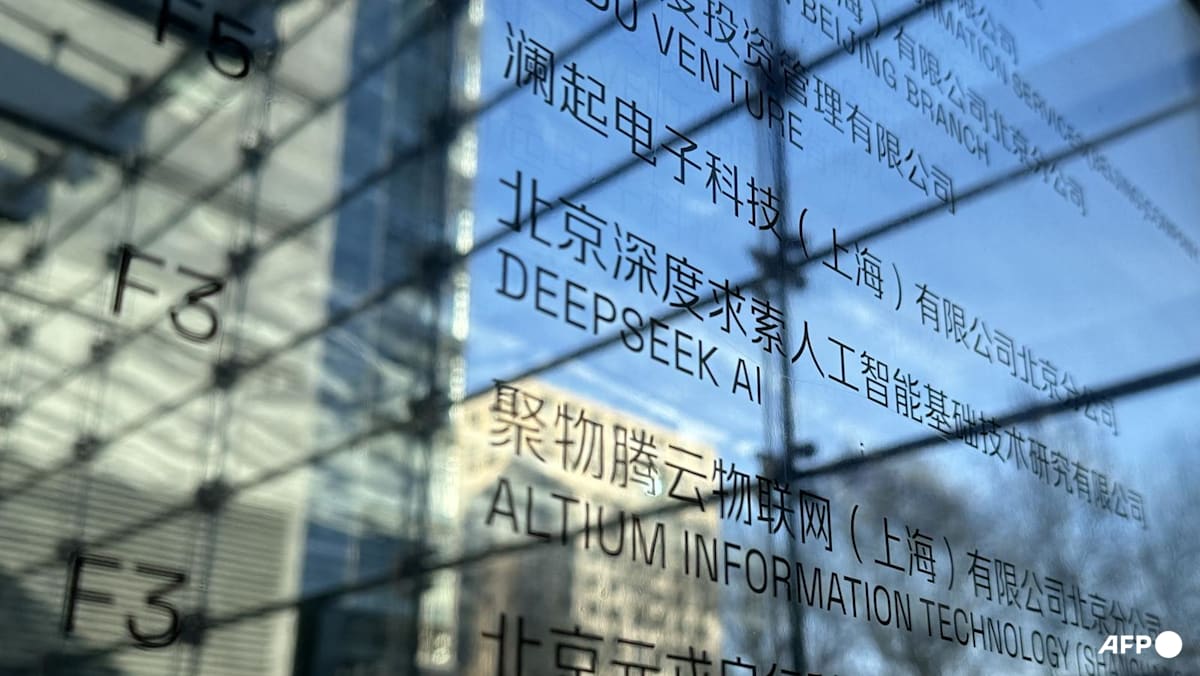
The White House has accused China of conducting industrial-scale campaigns to steal artificial intelligence technology, escalating tensions between the two nations over intellectual property and technological dominance. These allegations, reported by multiple reputable news outlets, claim that China has engaged in systematic efforts to acquire sensitive AI-related data and innovations through illicit means. In response, Chinese officials have dismissed the accusations as baseless and without merit, reiterating their commitment to international norms and fair competition in technological development.
The specific claims originate from statements made by senior U.S. Administration officials, who characterized the alleged activities as widespread and coordinated, targeting critical advancements in machine learning, semiconductor design, and AI-driven applications. According to the reports, the alleged theft spans multiple sectors and involves both state-linked entities and private actors operating within China’s technological ecosystem. The accusations suggest a strategic effort to bridge perceived gaps in China’s indigenous AI capabilities by accessing U.S.-developed innovations.
China’s rebuttal came through official channels, with representatives from the Ministry of Foreign Affairs and other government bodies labeling the U.S. Claims as unfounded and politically motivated. They emphasized that China opposes all forms of intellectual property theft and adheres to international agreements governing technology transfer and cybersecurity. The Chinese government further urged the United States to cease what it described as baseless allegations that undermine mutual trust and disrupt global cooperation on emerging technologies.
The timing of these exchanges coincides with broader strategic competition between Washington and Beijing over leadership in next-generation technologies, particularly artificial intelligence, which both nations view as pivotal to economic growth, military advancement, and global influence. The U.S. Has increasingly tightened export controls on advanced computing chips and AI-related software, citing national security concerns, while China has accelerated domestic investment in AI research and development through state-backed initiatives.
Independent verification of the specific allegations remains limited in publicly available sources. While the White House and U.S. Intelligence communities have previously raised concerns about technology transfer risks involving China, no official legal filings, court documents, or sanctioned enforcement actions detailing the precise scope or mechanisms of the alleged AI technology theft have been released to date in connection with these latest claims. As such, the nature and scale of the alleged activities described in the reports cannot be independently confirmed through primary or judicial sources at this time.
Nonetheless, the exchange highlights the deepening mistrust between the two powers in the technological domain, where accusations of espionage and unfair practices have become recurring elements in diplomatic and trade discussions. Analysts note that such rhetoric often precedes or accompanies policy shifts, including tighter visa restrictions for Chinese researchers in sensitive fields, enhanced screening of academic collaborations, and expanded use of the Entity List to restrict access to U.S. Technology.
For its part, China continues to assert that its technological progress stems from indigenous innovation, substantial state investment, and a growing pool of domestic talent. It points to advancements in areas such as facial recognition, natural language processing, and AI-powered surveillance as evidence of its independent capabilities, though some of these applications have drawn international scrutiny over human rights implications.
The absence of verifiable public evidence supporting either side’s specific claims underscores the challenges in assessing allegations of cyber-enabled technology theft, which often rely on classified intelligence and are difficult to substantiate in open forums. Nevertheless, the public articulation of these concerns by the White House reflects a broader strategic framing of U.S.-China relations as increasingly defined by technological rivalry and mutual suspicion.
As of now, no official bilateral talks or formal diplomatic channels have been announced specifically to address these latest accusations. Both sides appear to be maintaining their respective positions, with the U.S. Emphasizing vigilance against technology transfer risks and China rejecting what it characterizes as unfounded allegations designed to impede its peaceful development.
The situation remains fluid, and further developments may emerge through official statements, legislative hearings, or intelligence disclosures. Readers seeking updates are advised to monitor verified sources such as official government releases, reputable international news agencies, and filings from relevant regulatory bodies for any subsequent clarifications or actions related to this ongoing technological dispute between the United States and China.
We welcome your thoughts on this evolving story. Share your perspective in the comments below, and help spread informed discussion by sharing this article with others interested in global technology policy and international relations.
Related reading