
China has solidified its position as the world’s leading manufacturer and primary consumer of solar energy technology, accounting for more than 80% of global solar panel production capacity. According to data from the International Energy Agency (IEA), the country’s dominance across the solar photovoltaic (PV) supply chain—including polysilicon, wafers, cells, and modules—has reached a scale that significantly influences global energy transition costs and deployment speeds.
While the scale of China’s solar industry is unparalleled, the nation’s total energy consumption remains a complex metric. China currently consumes more energy than any other single country, a result of its massive industrial base and rapid urbanization. Although China is the world’s largest renewable energy investor, its reliance on coal persists as it balances immediate energy security with long-term carbon neutrality goals, as noted in the IEA’s 2023 country profile for China.
The Scale of Solar Manufacturing
China’s control over the solar supply chain is a result of over a decade of state-led industrial policy, significant subsidies, and economies of scale. The IEA reports that since 2011, China has invested over $50 billion into new solar PV supply capacity, ten times more than Europe. This investment has driven down the global cost of solar modules by more than 80% over the last decade, making solar the cheapest source of electricity in many regions of the world.
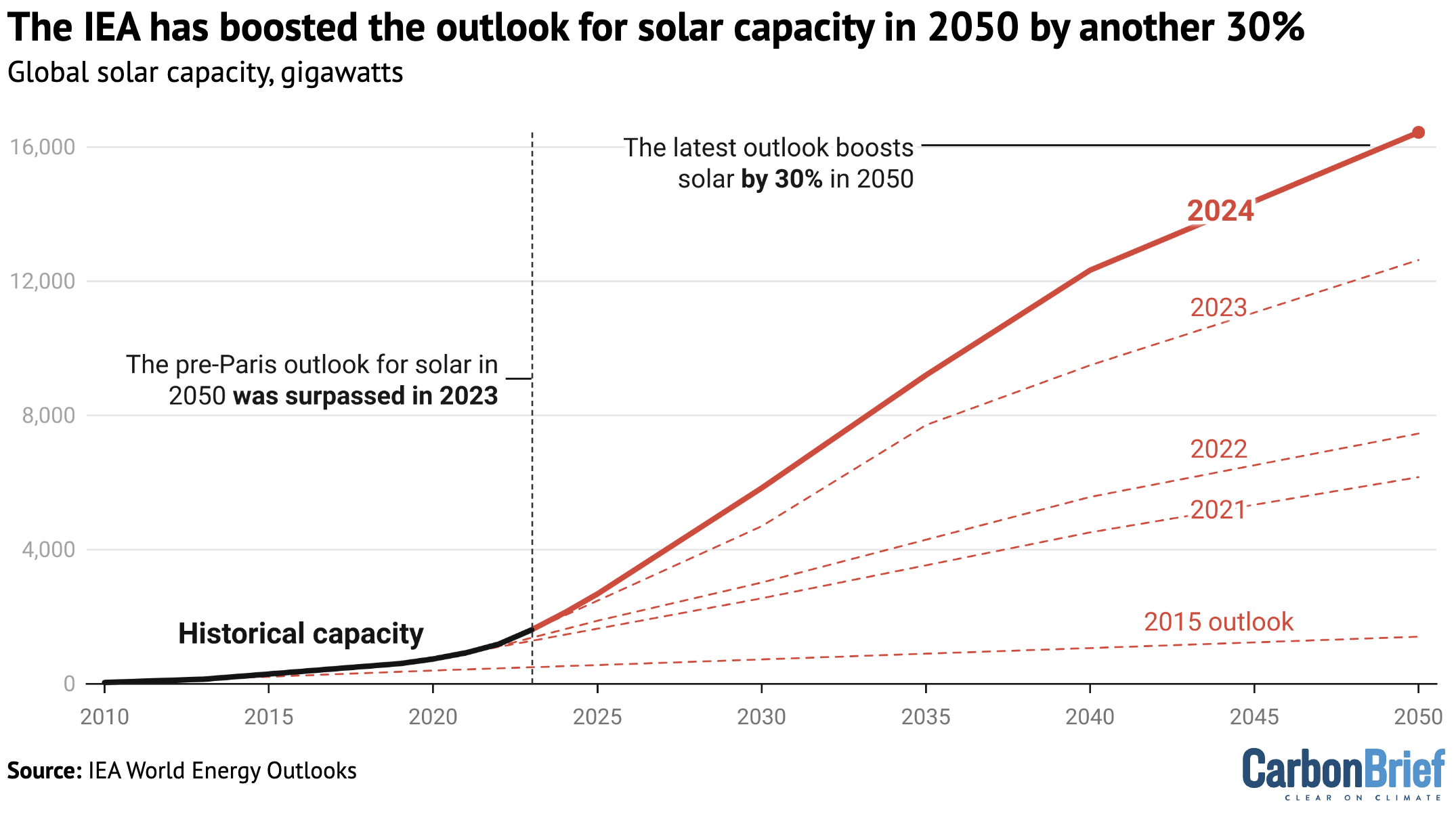
However, this concentration of manufacturing poses challenges for global energy security. Because more than 80% of all manufacturing stages for solar panels are located within Chinese borders, supply chain disruptions—whether caused by logistics, trade policies, or domestic energy shortages—can create bottlenecks for solar projects worldwide. Countries in the European Union and the United States have recently introduced initiatives, such as the U.S. Inflation Reduction Act, intended to incentivize domestic manufacturing and reduce this dependency, according to the White House.
Energy Consumption and the Industrial Engine
The assertion that China consumes nearly four times the energy of the entire European Union reflects the massive scale of the Chinese manufacturing sector. While the EU has made significant progress in decoupling economic growth from energy consumption, China’s economy remains heavily weighted toward energy-intensive heavy industry, including steel production, cement manufacturing, and chemical processing.
As of the latest reports from the Energy Institute Statistical Review of World Energy, China’s total primary energy consumption is driven by its role as the “world’s factory.” Despite being the largest installer of wind and solar capacity globally, fossil fuels—primarily coal—still account for a significant portion of the country’s energy mix. The government has pledged to hit peak carbon emissions by 2030 and achieve carbon neutrality by 2060, a transition that requires balancing the massive energy demands of its population with a shift toward cleaner, more efficient power generation.
What Happens Next for Global Markets
The future of the global solar market depends on how international trade policies interact with China’s manufacturing dominance. Several key checkpoints will define this trajectory in the coming months:

- Trade Policy Reviews: The European Commission and the U.S. Department of Commerce are currently evaluating trade measures regarding imported solar components to protect local manufacturing bases.
- Capacity Expansion: Industry analysts at Wood Mackenzie are monitoring whether China will continue to expand its manufacturing capacity despite current oversupply issues that have lowered global panel prices to record lows.
- Grid Integration: China’s National Energy Administration is expected to release updated figures on grid-connected renewable capacity, which will indicate how effectively the country is absorbing its record-breaking solar installations into its national grid.
As international stakeholders continue to monitor these developments, updates regarding trade tariffs and renewable energy installation targets are expected throughout the next fiscal quarter. Readers are encouraged to follow official announcements from the International Energy Agency for verified data on global energy trends and to share their perspectives on the balance between energy security and the green transition in the comments below.
Keep reading
- Ceuta Migration Surge Triggers EU Investigation After Social Media Rumors
- Unusual Animal Rescue in Kocaeli, Turkey
- China’s AI Surge: Alibaba Qwen3.8-Max and DeepSeek’s Low-Cost Models Shake the Market (newsdirectory3.com)
- China’s AI Sector Challenges US Rivals With High-Performance Models (archyworldys.com)