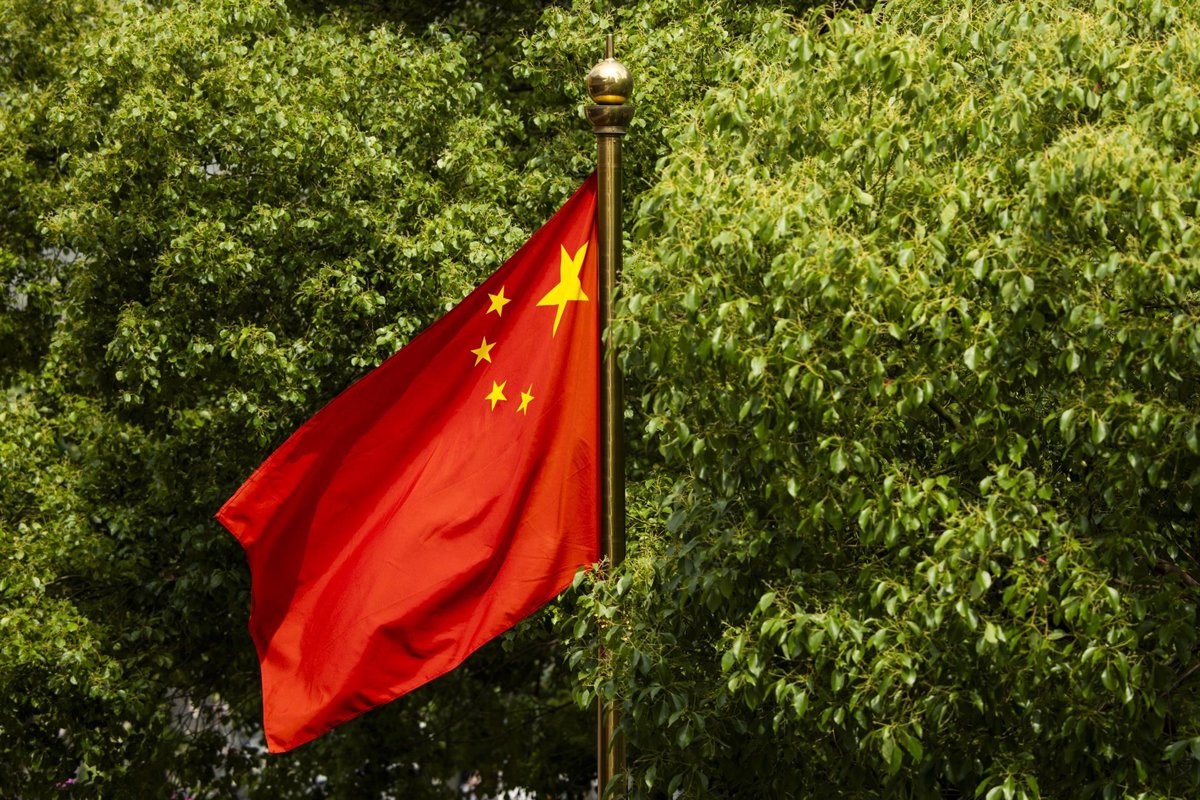
China has formally protested to Japan regarding the passage of a Japanese military vessel through the Taiwan Strait, according to verified reports from international news agencies. The diplomatic objection was lodged by Chinese authorities on Friday, April 17, 2026, marking another point of tension in the ongoing maritime disputes between Beijing and Tokyo over regional security and sovereignty claims in East Asia.
The protest follows Japan’s deployment of a destroyer through the Taiwan Strait earlier in the week, which China views as a violation of its core interests and an escalation of foreign military activity in waters it considers part of its exclusive economic zone. Although Japan maintains that the transit was conducted in accordance with international law and the principle of freedom of navigation, Chinese officials characterized the move as provocative and called on Tokyo to refrain from actions that could destabilize the region.
According to Reuters, China’s Foreign Ministry issued a formal statement condemning the passage, urging Japan to respect China’s sovereignty and security concerns. The ministry emphasized that any military activity by external powers in the Taiwan Strait must not undermine regional peace or be used to support separatist tendencies, a clear reference to Taiwan’s political status, which Beijing considers a renegade province.
The incident adds to a growing pattern of friction between China and Japan over maritime operations in the East China Sea and nearby waters. In recent months, both countries have increased naval patrols and surveillance activities, contributing to an environment of heightened vigilance and occasional confrontations at sea. Analysts note that such transits, while legally permissible under the United Nations Convention on the Law of the Sea (UNCLOS), are often interpreted through the lens of strategic signaling, particularly amid broader U.S.-China rivalry and Japan’s evolving defense posture.
Japan’s Defense Ministry confirmed the vessel’s passage but declined to disclose the ship’s name or exact timeline, citing operational security. However, it reiterated that the Self-Defense Forces routinely conduct transits through international straits, including the Taiwan Strait, to uphold navigational rights and ensure maritime openness. These operations are typically coordinated with allied forces, including the United States, as part of routine presence missions.
Despite the diplomatic protest, there were no reports of direct military engagement or unsafe maneuvers during the transit. Both sides appear to be managing the incident through established diplomatic channels, avoiding public escalation while firmly stating their respective positions. This approach reflects a broader effort by both governments to prevent accidental clashes, even as strategic competition intensifies.
The Taiwan Strait remains one of the most closely monitored maritime corridors in the world, given its significance for global trade and regional security. Approximately half of the world’s container fleet passes through the strait annually, making any disruption a matter of international concern. China asserts sovereignty over the strait, while many nations, including Japan and the United States, treat it as an international waterway where freedom of navigation applies.
Experts warn that repeated naval transits by foreign militaries, even when lawful, risk being perceived as containment efforts by Beijing, potentially prompting reciprocal actions such as increased Chinese patrols near Japanese-administered islands like the Senkakus/Diaoyus. Tokyo, meanwhile, continues to balance its alliance with Washington against the need to avoid unnecessary provocation of its largest trading partner.
As of now, neither government has announced plans for high-level talks specifically addressing this incident. However, both countries maintain regular diplomatic and military-to-military communication mechanisms designed to prevent misunderstandings. The next opportunity for dialogue may arise during upcoming multilateral forums in Asia, including ASEAN-related summits or bilateral consultations scheduled for later in 2026.
For readers seeking official updates, Japan’s Ministry of Foreign Affairs and China’s Foreign Ministry routinely publish statements and press briefings on their respective websites. The United Nations Division for Ocean Affairs and the Law of the Sea provides public access to UNCLOS texts and related legal interpretations governing maritime transit rights.
This incident underscores the delicate balance between asserting navigational rights and managing great power tensions in one of the world’s most strategically sensitive waterways. While freedom of navigation is a cornerstone of international maritime law, its exercise often carries diplomatic weight that extends far beyond the immediate act of a ship passing through a strait.
We encourage our global audience to stay informed through credible sources and share insights that promote constructive dialogue on international affairs. Your perspective helps foster a more nuanced understanding of the complex dynamics shaping our shared world.
Keep reading