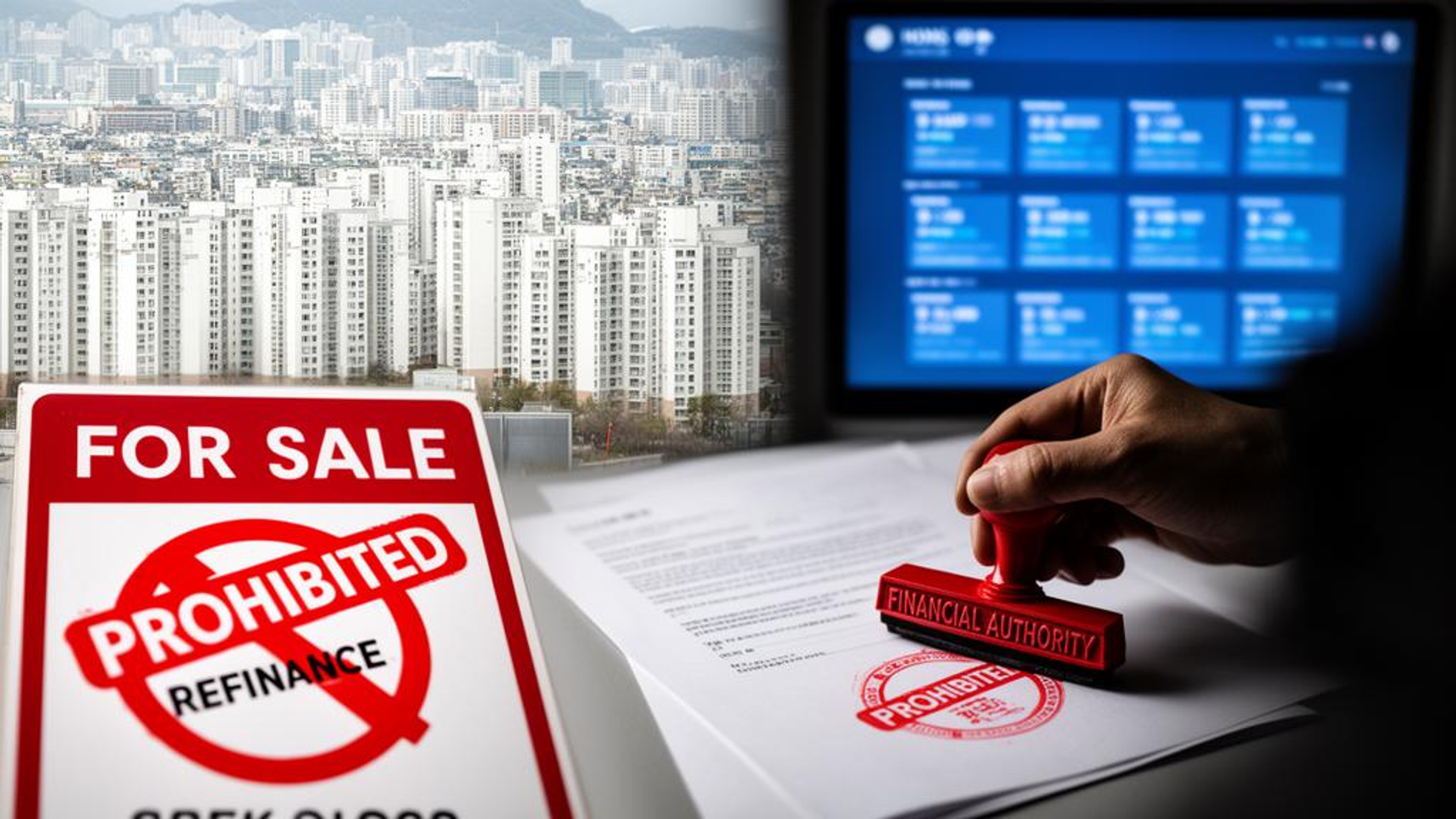
South Korea’s housing policy landscape continues to evolve as new restrictions on mortgage lending for multi-home owners take effect. Starting today, April 17, 2026, financial institutions are prohibited from extending or renewing loans for individuals who own two or more residential properties, unless those properties are currently rented out to tenants. This measure, designed to cool speculative demand in the real estate market while protecting landlords with existing rental income, represents a significant tightening of credit rules that have been gradually adjusted over the past few years.
The policy change comes amid ongoing concerns about housing affordability in major urban centers like Seoul and Busan, where property prices have remained elevated despite previous cooling measures. According to data from the Bank of Korea, household debt-to-income ratios reached 105% in late 2025, prompting regulators to reconsider the risks associated with leveraged property investment. The new restriction specifically targets what officials describe as “non-productive” housing demand—purchases made primarily for investment resale rather than rental income generation—while carving out an exception for properties that contribute to the rental housing supply.
Under the updated guidelines, banks and other lenders must now verify both the number of properties owned by an applicant and the occupancy status of each unit before approving any mortgage renewal or extension. For multi-home owners seeking to refinance existing loans, the process will require documentation proving current tenancy agreements for all but one of their properties. Properties that are vacant or used solely for personal residence by the owner will not qualify for the exemption, meaning loans tied to those units cannot be extended under the new rules.
This approach marks a shift from earlier iterations of housing debt policy, which often applied blanket limits based solely on the number of properties owned. By introducing a tenant-based exception, policymakers aim to distinguish between investors who rely on rental yields and those engaging in pure price speculation. The Financial Services Commission (FSC) stated in its February 2026 policy brief that the goal is to “encourage productive use of housing stock while curbing excessive borrowing for speculative gains.” However, the commission did not specify how long the current measures will remain in place or whether further adjustments are planned based on market response.
Industry analysts note that the timing of this policy coincides with seasonal patterns in the housing market, where spring typically sees increased transaction activity. Some market participants have expressed concern that the sudden restriction could create liquidity pressure for landlords who depend on loan renewals to manage cash flow between rental cycles. Others argue that the measure is necessary to prevent a resurgence in speculative buying that could undermine months of price stabilization efforts. As of early April 2026, apartment prices in Seoul had risen 3.2% year-to-date, according to the Korea Real Estate Board, though analysts caution that attributing short-term movements to any single factor remains complex.
For homeowners affected by the change, the immediate practical impact will depend on their loan maturity dates and rental status. Those with properties approaching renewal deadlines in the coming months will necessitate to either secure tenant agreements or prepare to repay outstanding balances without refinancing options. The FSC has advised financial institutions to implement the rules uniformly while allowing for case-by-case review in situations involving extenuating circumstances, such as properties undergoing renovation or temporary vacancy due to tenant turnover. No grace period has been announced for compliance, meaning the restrictions apply effective immediately upon announcement.
Looking ahead, market observers will be watching for several key indicators to assess the policy’s effectiveness. These include changes in mortgage approval rates for multi-home applicants, trends in rental listing volumes, and any shifts in the ratio of investor versus owner-occupant purchases in metropolitan areas. The next scheduled update from the Financial Services Commission is expected in June 2026, when it typically releases its semi-annual report on household debt and housing market stability. Until then, the current rules remain in force as part of South Korea’s broader strategy to balance housing accessibility with financial system resilience.
For readers seeking official guidance, the Financial Services Commission maintains an updated FAQ section on its website detailing loan eligibility criteria under the current regulatory framework. The Bank of Korea publishes monthly data on household credit and housing transactions, which can provide valuable context for understanding how these policies interact with broader economic trends. As always, individuals with specific questions about their mortgage situation are encouraged to consult directly with their lending institution or a qualified financial advisor familiar with local regulations.
This development underscores the ongoing challenge policymakers face in addressing housing market dynamics through credit controls—a tool that, while influential, must be calibrated carefully to avoid unintended consequences on either housing supply or financial stability. The coming months will reveal whether this targeted approach achieves its intended balance between restricting speculative demand and preserving access to credit for productive rental housing investment.
Stay informed about evolving housing finance policies by following updates from Korea’s financial regulatory authorities. Share your thoughts on how these changes might affect the rental market or property investment strategies in the comments below.
Keep reading