China and Pakistan’s Iran Peace Initiative Gains Traction Amidst Escalating Regional Tensions
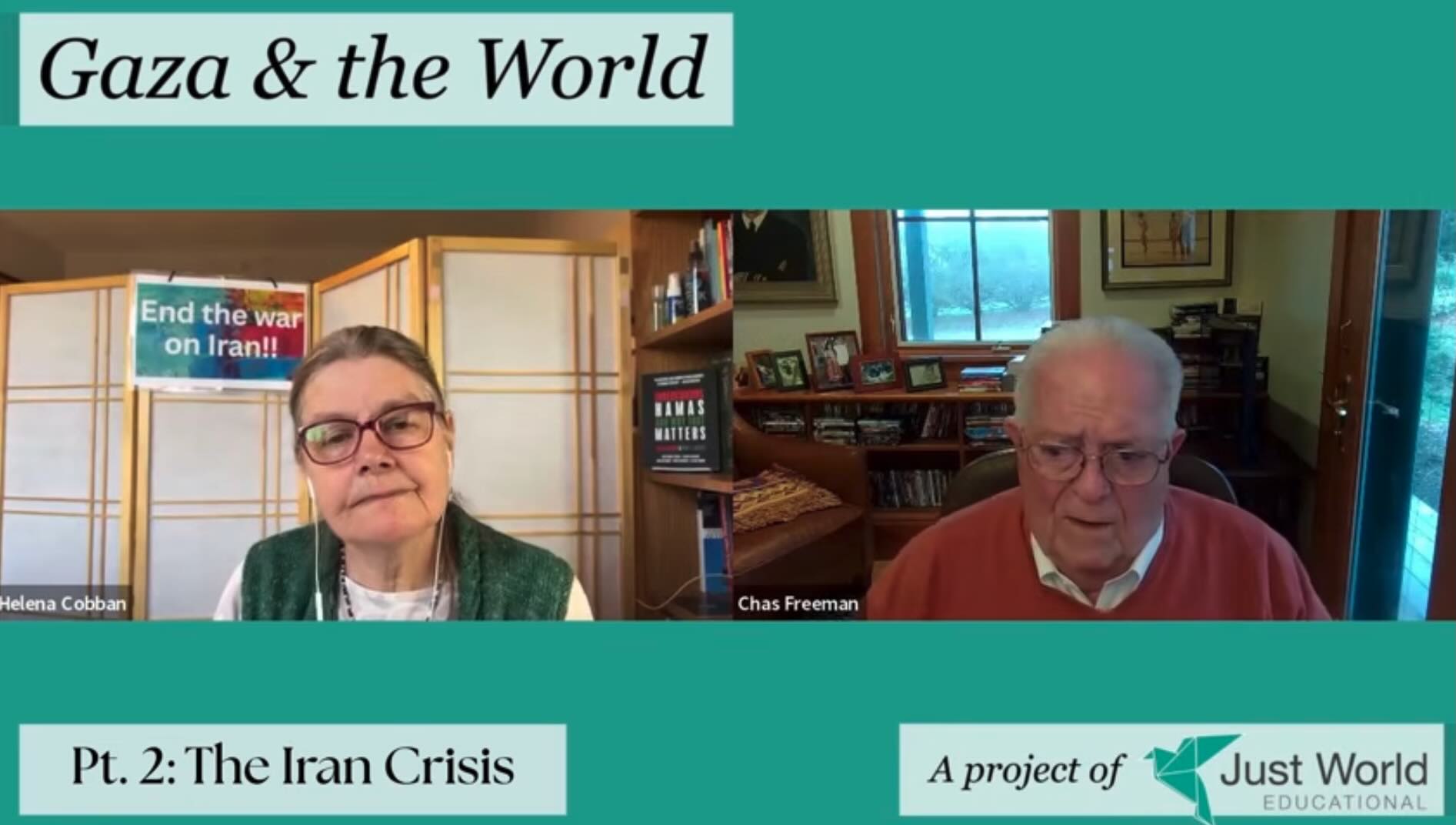
As the conflict in the Middle East continues to escalate, a recently proposed peace initiative from China and Pakistan is drawing attention as a potential diplomatic off-ramp. Retired U.S. Ambassador Chas W. Freeman, Jr., in a conversation with Helena Cobban on April 1, argued that the proposal, unveiled on March 31, could provide a crucial pathway to de-escalation. The initiative, according to Freeman, was developed following intensive consultations with Saudi Arabia, Egypt and Turkey, signaling a broader regional effort to address the crisis. Freeman’s assessment highlights a growing recognition among key Arab states that a lasting resolution to the conflict necessitates engagement with Iran, stating plainly that “the only way they can eliminate the threat from Iran is to build peace with Iran.”
The timing of this initiative is particularly significant given the increasing volatility in the region and the limited success of existing diplomatic efforts. The proposal arrives as Gulf states grapple with the potential for wider conflict and the vulnerabilities of their critical infrastructure. Freeman suggests the initiative may also offer the United States an opportunity to recalibrate its approach and avoid what he describes as a “disastrous conflict.” The conversation with Freeman, part of a continuing project on the Iran Crisis by Just World Educational, provides a detailed analysis of the proposal’s potential impact and the complex geopolitical dynamics at play.
Chas W. Freeman, Jr., a veteran diplomat with decades of experience in the U.S. Foreign Service, State Department, and Defense Department, served as the main interpreter for Richard Nixon during his historic 1972 visit to China and later as the U.S. Ambassador to Saudi Arabia from 1989 to 1992. His extensive background provides a unique perspective on the intricacies of Middle Eastern and Asian geopolitics, lending weight to his assessment of the current situation.
The Core of the China-Pakistan Proposal
The five-point peace initiative, jointly released by China and Pakistan on March 31, outlines a framework for de-escalation and a return to diplomatic negotiations. The full text of the initiative is available for review. While the specific details of the proposal remain closely guarded, it reportedly emphasizes the importance of restraint, dialogue, and respect for the sovereignty of all regional actors. Freeman emphasized that the consultations with Saudi Arabia, Egypt, and Turkey were crucial in shaping the initiative and ensuring its regional relevance.
Cobban, during the conversation, underscored Pakistan’s strategic position, noting its border with Iran and its close ties with China. This positioning allows Pakistan to act as a crucial bridge between the two nations and facilitate communication. However, Freeman cautioned against framing these other consulted nations solely as U.S. Allies, arguing that their interests are increasingly diverging from Washington’s foreign policy objectives. He posited that Saudi Arabia, Egypt, and Turkey are acting as independent actors, prioritizing their own national security interests.
Shifting Alliances and Regional Security
A central theme of the discussion revolved around the evolving security landscape in the Gulf region. Freeman argued that the ongoing conflict has exposed the limitations of relying on external security guarantees, particularly from the United States. He noted that Gulf states are increasingly recognizing the require for regional self-reliance and are exploring alternative security arrangements. This shift is evidenced by the Saudi-Pakistan defense pact and the broader discussions surrounding new regional security frameworks.
Freeman explained that these developments reflect a growing sentiment among Arab states that their long-standing reliance on the United States as a primary arms supplier and security guarantor is no longer sustainable. The perceived lack of consistent U.S. Support and the increasing focus on domestic priorities have prompted Gulf nations to seek more independent security solutions. This has led to a reevaluation of relationships and a willingness to explore diplomatic avenues with previously adversarial nations, including Iran.
Israel’s Role and the Potential for Escalation
The conversation repeatedly returned to the role of Israel in the conflict and its potential impact on U.S. Policy. Freeman asserted that the current crisis cannot be divorced from what he described as Israeli pressure for escalation, arguing that the Israeli government has historically pursued policies that exacerbate conflict rather than resolve it. He suggested that the Chinese-Pakistani initiative should be interpreted as a demand for a significant shift in Israeli behavior, advocating for a more constructive approach to regional peace.
Cobban highlighted the devastating effects of the conflict on Gaza, Lebanon, the West Bank, and southern Syria, emphasizing the humanitarian toll of the escalating violence. Freeman echoed these concerns, stating that the war has expanded beyond any single front and is now impacting regional stability on a broader scale. He warned that if the United States were to withdraw its support, Israel would face a significant strategic challenge of its own making.
Humanitarian Concerns and Global Destabilization
The discussion also addressed the severe humanitarian risks associated with further escalation, particularly the vulnerability of Arab Gulf societies to attacks on critical infrastructure, specifically water desalination plants. Freeman warned that damage to these facilities would be catastrophic, given their essential role in providing potable water to the region’s populations. He emphasized that the Gulf states are particularly exposed due to their heavy reliance on technologies susceptible to disruption during wartime.
Beyond the immediate region, Freeman cautioned that the conflict is already producing collateral damage globally, manifesting as fuel shortages, supply chain disruptions, and broader economic instability in countries like India, South Korea, and the Philippines. He characterized the crisis not as a localized conflict, but as a global destabilizer with far-reaching consequences.
The Specter of Nuclear Proliferation
Perhaps the most alarming aspect of the conversation was Freeman’s warning regarding the potential for nuclear proliferation. He argued that the current conflict is creating incentives for Iran and other regional states to pursue nuclear capabilities, potentially undermining the global nuclear non-proliferation regime. He specifically suggested that Saudi Arabia, Egypt, Turkey, South Korea, and Japan might reconsider their options if the current trajectory continues.
Both Freeman and Cobban agreed that this possibility underscores the failure of current policies to promote stability and security. They argued that the war is eroding the exceptionally structures designed to prevent wider conflict and increasing the risk of a catastrophic escalation. This concern highlights the urgent need for a diplomatic solution to de-escalate tensions and prevent further proliferation.
A Critical Assessment of U.S. And Israeli Policy
The conversation concluded with a sharp critique of U.S. And Israeli policies in the region. Freeman dismissed former President Trump’s “Board of Peace” concept as fundamentally illegitimate, arguing that genuine stability requires accountability, pressure on Israel to alter its course, and a significant reduction in U.S. Military involvement. He believes a more balanced and nuanced approach is essential to achieving lasting peace.
Cobban concluded by expressing cautious optimism, suggesting that meaningful change is still possible if governments and the public demand a genuine peace process. Freeman concurred, emphasizing that the region is undergoing a profound transformation and that the consequences of the current conflict will reverberate far beyond the immediate battlefield. The full 41-minute conversation with Ambassador Freeman is available on YouTube, offering a deeper dive into these complex issues.
The ongoing crisis demands a comprehensive and diplomatic solution. The China-Pakistan peace initiative, as highlighted by Ambassador Freeman, represents a potential pathway towards de-escalation and a more stable regional order. However, its success hinges on the willingness of all parties to engage in good-faith negotiations and prioritize peace over political agendas. Further developments are expected as regional actors assess the initiative and consider their next steps.
You can also listen to the audio version of the conversation on Apple Podcasts or Spotify, and read the full transcript here.
What are your thoughts on the China-Pakistan peace initiative? Share your perspectives in the comments below.
Related reading
- Since the provided input is only an image link and contains no text or context about the article’s content, it is impossible to create a specific SEO title. However, based on the source (Times of India), if this is a general news piece, a high-performing SEO template would be: [Main Subject/Keyword]: Latest Updates, News, and Key Highlights
- Armed Clashes Erupt in the Libyan City of Zawiya
- Tokushima Legal Professionals Collaborate on Law in Practice Initiative (archyde.com)