China’s Silver Holdings Surge Amidst Gold Price Volatility and Solar Tax Policy Shifts
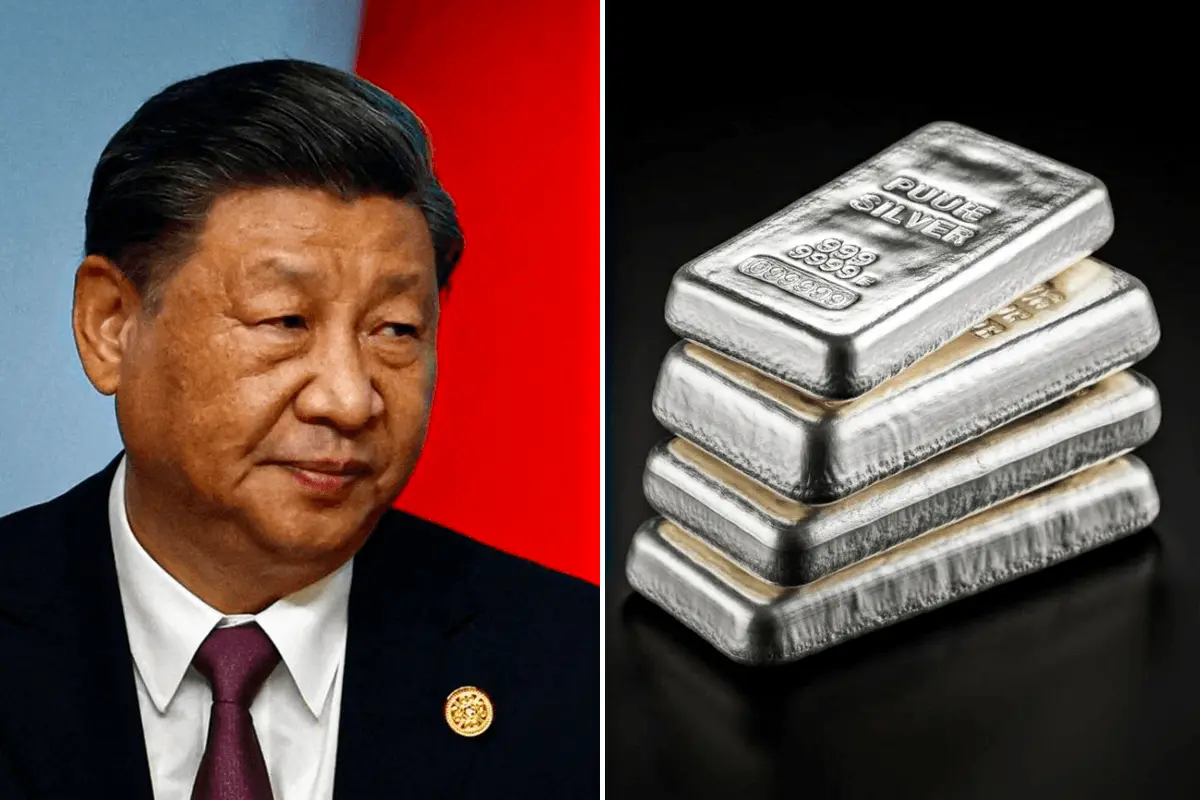
Beijing has significantly increased its silver reserves, accumulating 40.3 million troy ounces after three months of record imports and implementing stricter export restrictions. This surge in silver acquisition comes as global gold prices have reached near-record highs, prompting Chinese investors to seek more affordable alternatives and as a key tax incentive for solar panel exports expired. The move highlights the dual role of silver as both a monetary asset and an industrial metal, making it particularly sensitive to fluctuations in both investment demand and manufacturing activity.
In March 2026, China recorded unprecedented silver imports, experiencing a 78 percent increase compared to the previous month and exceeding the ten-year seasonal average by 173 percent. Business AM reported that this dramatic increase is attributable to two primary factors: increased demand from private investors and stockpiling by solar panel manufacturers.
Investor Shift from Gold to Silver
The rising price of gold, reaching nearly $5,500 per ounce in January 2026, has driven Chinese retail investors towards silver as a more accessible store of value. As gold became increasingly expensive for many individual savers, silver emerged as a viable alternative. This pattern mirrors historical trends, where silver often outperforms gold during periods of high gold prices. The appeal of silver lies in its relative affordability, allowing a broader range of investors to participate in precious metal markets. This shift in investment preference is a key driver of the increased demand for silver within China.
Solar Panel Industry Demand
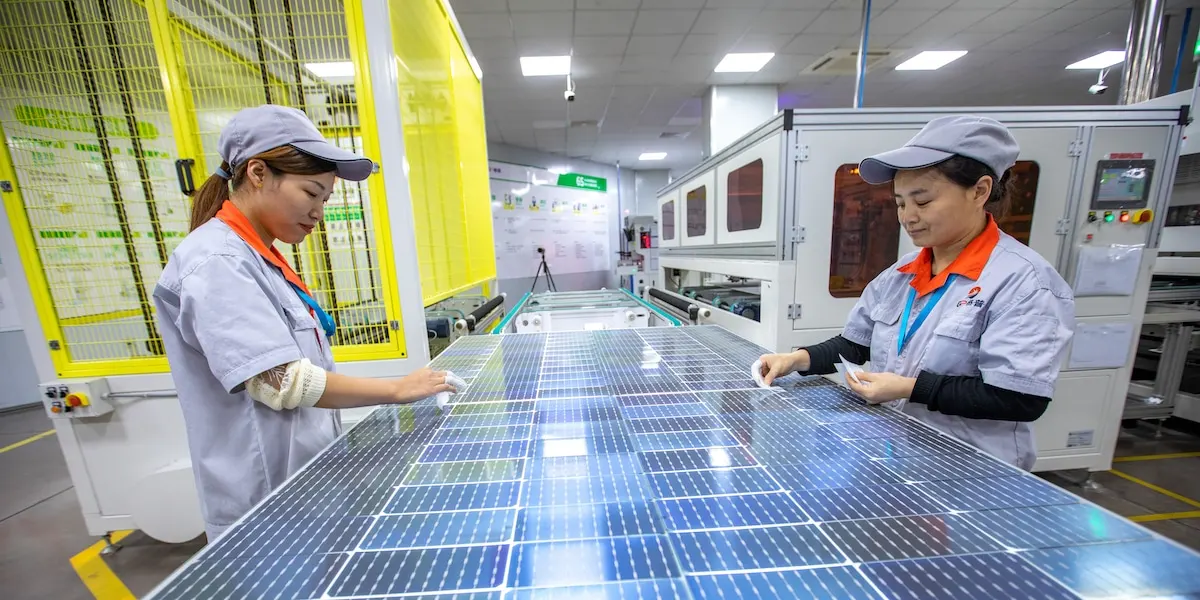
Alongside investor demand, the impending end of a tax rebate on solar panel exports played a significant role in boosting silver imports. The tax rebate, which incentivized the export of solar panels, officially ended on April 1st. Silver is a crucial component in the manufacturing of solar panels, used in the conductive pastes that facilitate electricity generation. Anticipating the end of the tax benefit, manufacturers increased their silver purchases to build up inventories, further contributing to the record import figures. This strategic stockpiling was a proactive measure to mitigate potential cost increases and ensure continued production capacity.
Silver’s Dual Role in the Market
Silver’s unique position as both an investment asset and an industrial metal makes it particularly susceptible to price volatility. Demand from investors seeking a safe haven asset can drive up prices, while industrial demand from sectors like solar panel manufacturing and electronics can also exert significant influence. This dual nature creates a complex dynamic in the silver market, where prices can be affected by a wide range of economic and geopolitical factors. The recent surge in Chinese imports demonstrates this sensitivity, as both investment and industrial demand converged to create unprecedented buying pressure.
The interplay between investment and industrial demand is a defining characteristic of the silver market. While gold is primarily viewed as a monetary asset, silver’s industrial applications provide a fundamental level of support for its price. This makes silver a potentially attractive investment during periods of economic growth, as increased industrial activity translates into higher demand for the metal. Yet, it also means that silver prices can be more vulnerable to economic downturns, as industrial demand may decline.
Broader Implications for Global Silver Markets
China’s increased silver imports have significant implications for global silver markets. As the world’s largest consumer of silver, China’s demand patterns can exert a substantial influence on global prices. The recent surge in imports has already contributed to upward pressure on silver prices, and further increases in demand could lead to even higher prices. This could benefit silver mining companies and investors, but it could also increase costs for manufacturers who rely on silver as a raw material.
The impact of China’s silver imports extends beyond price fluctuations. The country’s growing demand for silver also highlights the importance of securing reliable supply chains. China is heavily reliant on imports to meet its silver needs, making it vulnerable to disruptions in global supply. This has prompted the country to explore strategies for diversifying its sources of silver and increasing domestic production. The long-term implications of these efforts remain to be seen, but they could reshape the global silver market.
China’s Existing Debt and Geopolitical Considerations
Some analysts suggest that China’s accumulation of silver, alongside its substantial holdings of U.S. Debt, could be linked to broader geopolitical considerations. Discussions on Reddit have raised concerns about potential implications should China pursue its stated goal of reunification with Taiwan. However, these claims remain speculative and require further investigation.
China holds a significant amount of U.S. Debt, and any large-scale liquidation of these holdings could have destabilizing effects on global financial markets. The accumulation of silver could be seen as a diversification strategy, reducing China’s reliance on U.S. Dollar-denominated assets. However, China’s motivations are complex and likely involve a combination of economic and geopolitical factors.
China’s Overall Import Trends
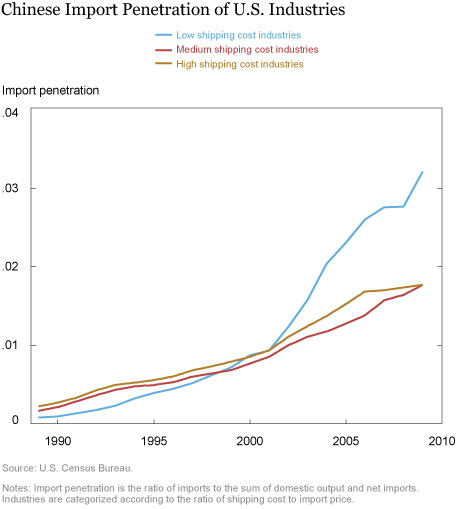
Beyond silver, China’s overall import figures have been on the rise. In March 2026, total imports reached $269.90 billion USD, up from $208.90 billion USD in February 2026. Trading Economics provides detailed data on China’s import trends, highlighting the country’s growing role in global trade. This broader increase in imports suggests a strengthening Chinese economy and continued demand for raw materials and finished goods.
The increase in overall imports reflects China’s continued economic growth and its integration into the global economy. As a major manufacturing hub, China relies on imports of raw materials and components to support its production activities. The country’s growing middle class is also driving demand for consumer goods, further boosting import volumes. These trends are likely to continue in the coming years, solidifying China’s position as a key player in global trade.
Key Takeaways
- China’s silver imports surged 78% month-over-month in March 2026, reaching a record high.
- The increase is driven by both investor demand, spurred by high gold prices, and industrial demand from solar panel manufacturers.
- The expiration of a tax rebate on solar panel exports contributed to stockpiling by manufacturers.
- China’s silver accumulation has implications for global silver markets and supply chains.
Looking ahead, the market will be closely watching for further developments in China’s silver import trends and the impact on global prices. The next key date to watch is the release of import data for April 2026, which will provide further insight into the sustainability of the recent surge. Continued monitoring of Chinese economic policies and geopolitical developments will also be crucial for understanding the long-term outlook for the silver market. Share your thoughts and analysis in the comments below.