Unveiling the Mystery of China’s ”Hanging Coffins”: A Genetic Link to Ancient Peoples
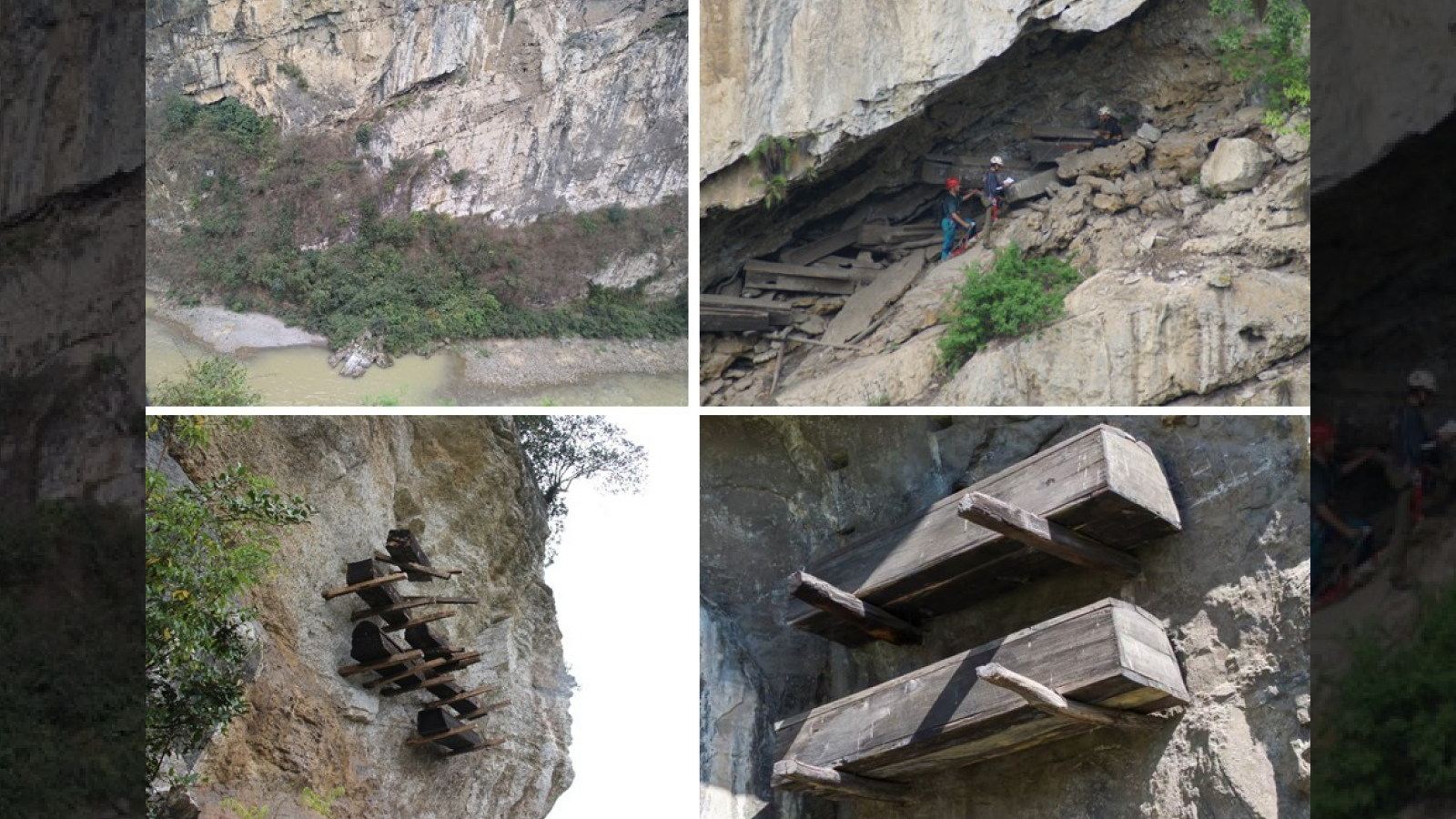
For centuries, the dramatic sight of coffins suspended on cliffsides in southern China has captivated and puzzled observers. These “hanging coffins,” found primarily in the Guangxi and Sichuan provinces,represent a unique burial tradition steeped in mystery. Recent genetic research has finally begun to unravel the identity of the people who practiced this ancient custom, revealing a interesting connection to modern-day populations and a deeper understanding of Southeast Asian history.
A Centuries-Old Enigma
The practice of hanging coffins dates back as far as 3,000 years, with the most prominent examples originating between 200 B.C. and 200 A.D. Researchers have long debated who constructed these elaborate burial sites and the meaning behind this unusual practice.Traditional theories ranged from attempts to bring the deceased closer to the heavens to practical defenses against flooding and wild animals.
Genetic Evidence Reveals the Ancestors
now, a groundbreaking study published in Scientific Reports has pinpointed the likely creators of these cliffside cemeteries: the ancestors of China’s Bo people. Scientists analyzed ancient DNA extracted from remains found within the hanging coffins, comparing it to the genetic profiles of modern populations in the region.
Here’s what the research revealed:
* A Clear lineage: The genetic data demonstrates a direct ancestral link between the individuals buried in the hanging coffins and the bo people, a modern ethnic group residing in the region today.
* Southeast Asian Connections: Interestingly, the genetic makeup of these ancient people also shares similarities with Neolithic populations from other parts of Southeast Asia. This suggests a broader pattern of migration and shared ancestry.
* Tai-Kadai Language Family: The findings support the theory that the “hanging coffin” people were part of the ancient Tai-Kadai-speaking groups. These groups inhabited southern China before the rise of the dominant Han ethnicity around the first century B.C.
Echoes in Thailand: Similar Burial Practices
The story doesn’t end in China. Remarkably, similar genetic connections were found in remains from ancient “log coffins” discovered in northwest Thailand.These coffins were created by hollowing out tree trunks and placing them within caves, often elevated on wooden supports.
This parallel suggests a shared cultural heritage and movement of people across the region. You can visualize the Thai log coffins as being constructed by splitting a tree log lengthwise, hollowing one side for the body, and using the other side as a lid.
The Legacy of the Tai-Kadai
According to experts at Chulalongkorn University, the Tai-Kadai languages are deeply rooted in the history of Southeast Asia. In fact,these languages are considered foundational to the modern nation of Thailand and are spoken by millions of people,particularly in southern China.
This research highlights the enduring legacy of these ancient peoples and their influence on the cultural landscape of the region.
From Folklore to Fact: The “Sons of the Cliffs”
Local folklore surrounding the Bo people paints a picture of a proud and enigmatic group. They were often referred to as “Subjugators of the Sky” and “Sons of the Cliffs,” with legends even attributing them with the ability to fly.
For the first time,genetic evidence confirms the historical reality behind these captivating stories. Approximately 600 years after the hanging coffin tradition disappeared from historical records, researchers have definitively linked the Bo people to the practice.
This discovery not only solves a long-standing archaeological mystery but also provides valuable insights into the complex history of Southeast Asia and the enduring connections between ancient cultures and their modern descendants. Its a testament to the power of genetic research to illuminate the past and deepen our understanding of who we are.
Worth a look