Navigating Political adn Social Currents: Updates from Nigeria, South Africa, and Morocco (November 2023)
Recent weeks have brought significant developments across the African continent, from escalating tensions in Nigeria to financial resolutions in South Africa and a historic victory for Morocco. Understanding these events is crucial for anyone following African politics, economics, and social movements.This article provides a detailed overview, offering context, analysis, and insights into what these shifts mean for the future.
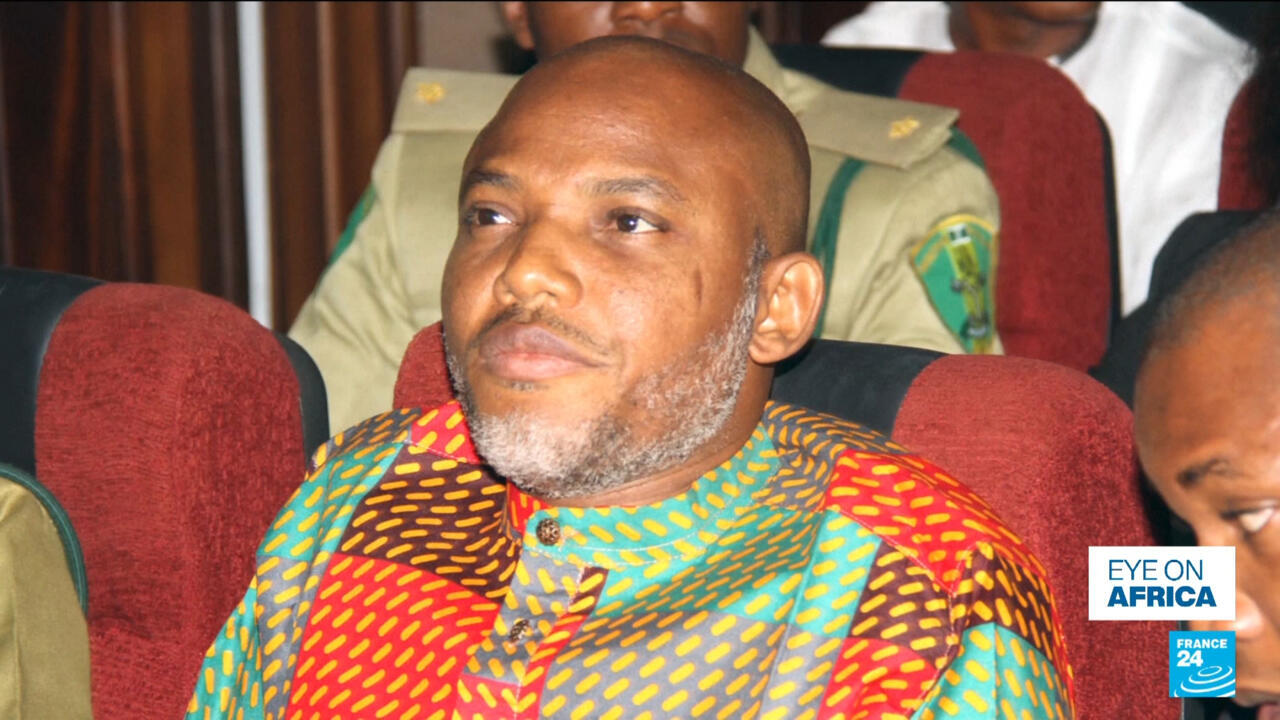
Nigeria: Protests Erupt Over Nnamdi Kanu‘s Detention
A wave of protests has recently gripped Lagos, Nigeria, fueled by demands for the release of Nnamdi Kanu. Kanu, the leader of the Indigenous People of Biafra (IPOB) – a group advocating for the secession of southeastern Nigeria – is currently facing terrorism-related charges.
Recent reports indicate a volatile situation. Police responded to demonstrations with tear gas, and unconfirmed accounts suggest the use of firearms, leading to multiple arrests. this unrest highlights the deep-seated grievances within the Igbo community, who allege systemic marginalization by the Nigerian government.
The core of the issue lies in past and political factors. The Igbo people, predominantly located in southeastern Nigeria, experienced significant trauma during the Nigerian Civil War (1967-1970), also known as the Biafran War.Following the conflict, many felt excluded from political and economic opportunities, fostering separatist sentiments.
Kanu’s arrest and ongoing trial have become a focal point for these frustrations. His supporters view him as a champion of igbo rights, while the government maintains he poses a threat to national security. The situation remains delicate, requiring careful negotiation and a commitment to addressing the underlying causes of discontent.
What you need to know:
* The protests center around the detention of Nnamdi Kanu, leader of IPOB.
* Igbo communities allege marginalization, fueling separatist movements.
* Police intervention has escalated tensions,with reports of tear gas and arrests.
* The situation demands a nuanced approach to address historical grievances and security concerns.
South Africa: ANC Averts Financial Crisis with Settlement
South Africa’s African National Congress (ANC) has successfully avoided a potential financial crisis by reaching an out-of-court settlement with Ezulweni Investments. The dispute stemmed from unpaid debts incurred during the 2019 general elections.
Previously,several of the ANC’s bank accounts were frozen due to the outstanding balance. This threatened to severely hamper the party’s operations and ability to participate in upcoming elections. The settlement details remain confidential, but it’s clear the ANC has managed to resolve the issue and regain financial stability.
This situation underscores the financial challenges facing South African political parties. Clarity in campaign finance and responsible financial management are crucial for maintaining public trust and ensuring a level playing field in democratic processes. The ANC’s experience serves as a cautionary tale for other parties and highlights the need for robust financial oversight.
Key takeaways:
* The ANC reached a settlement with Ezulweni Investments over unpaid 2019 election debts.
* The dispute led to the freezing of ANC bank accounts, creating a financial crisis.
* The settlement averts a major financial setback for the ruling party.
* This case highlights the importance of financial transparency in South African politics.
Morocco: Historic FIFA U-20 World Cup Victory Sparks National Celebration
Morocco is celebrating a monumental achievement after its Under-20 national football team defeated Argentina 2-0 in the final of the FIFA U-20 World cup. This victory marks the nation’s first major international footballing trophy, igniting widespread joy and national pride.
The Atlas Lions’ triumph has significantly boosted morale and expectations ahead of future sporting events. Morocco is set to host the African Cup of Nations (AFCON) in 2025 and is a joint bidder for the 2030 FIFA World Cup, alongside Spain and Portugal. This U-20 World Cup win serves as a powerful demonstration of Morocco’s growing capabilities as a sporting nation and a welcoming host.
the success of the team is attributed to strategic investment in youth advancement programs and a growing passion for football within the country. This victory is not just a sporting