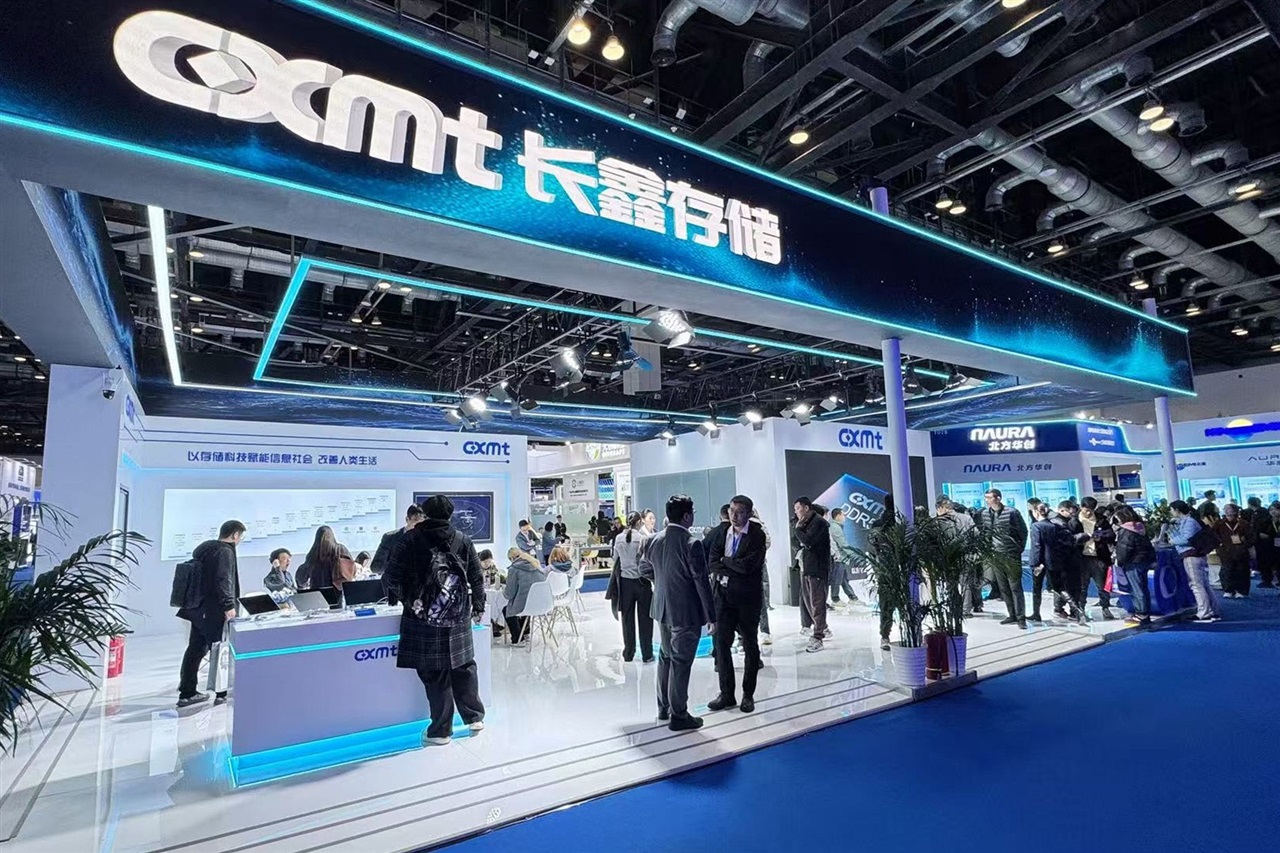
ChangXin Memory Technologies (CXMT), a state-backed leader in China’s domestic semiconductor sector, is reportedly moving forward with plans for a significant initial public offering (IPO) in Shanghai. The company, which specializes in dynamic random-access memory (DRAM) chips, is seeking to raise approximately $10 billion to fuel the rapid expansion of its production capacity. This move comes as Beijing intensifies its efforts to achieve technological self-sufficiency in the face of tightening international export controls on high-end chip manufacturing equipment.
The proposed capital raise underscores the central role that memory chip production plays in China’s national strategy for artificial intelligence and high-performance computing. As international sanctions restrict access to advanced NVIDIA graphics processing units and other western-designed AI hardware, domestic firms like CXMT have become essential to sustaining the country’s digital infrastructure. According to regulatory filings and industry reports tracked by the Reuters news agency, the company has increasingly attracted private capital, signaling strong investor interest despite a challenging geopolitical environment for the Chinese tech sector.
Strategic Importance of DRAM in AI Infrastructure
Memory technology, specifically DRAM, is a foundational component of modern AI systems. High-bandwidth memory is required to process the massive datasets necessary for training large language models and running complex machine learning algorithms. By scaling its manufacturing capabilities, CXMT aims to reduce reliance on foreign suppliers such as South Korea’s Samsung and SK Hynix, as well as the U.S.-based Micron Technology. The Bloomberg news service has previously reported that the company’s valuation has climbed significantly, reflecting its status as a linchpin in China’s broader industrial policy.

The push for an IPO in the Shanghai market provides a mechanism for CXMT to secure the massive liquidity required to compete with established global incumbents. Building state-of-the-art semiconductor fabrication plants, or “fabs,” involves capital expenditures reaching into the billions of dollars. With the Chinese government providing significant subsidies and tax incentives to the semiconductor industry under the “Made in China 2025” initiative, the company is positioning itself to be the primary domestic provider of memory solutions for a growing ecosystem of Chinese AI developers.
Market Realities and Export Control Challenges
While the ambition to raise capital is clear, the path to technological parity remains fraught with difficulty. The U.S. Department of Commerce has implemented rigorous export controls designed to prevent the transfer of advanced lithography equipment and chip-making tools to Chinese entities. These measures, detailed in the Bureau of Industry and Security (BIS) fact sheets, specifically target the hardware needed to produce the next generation of sub-10 nanometer chips. These restrictions force Chinese firms to innovate using older-generation equipment or rely on stockpiled components.
Market analysts note that CXMT has successfully ramped up production of legacy DRAM nodes, which are sufficient for many consumer electronics and standard computing tasks. However, the move toward artificial intelligence necessitates the production of more advanced, power-efficient memory. Whether the company can bridge this gap without access to the latest ultraviolet lithography technology remains a primary concern for investors evaluating the long-term viability of the firm’s technology roadmap. Despite these headwinds, the support from state-linked investment funds provides a financial cushion that many private, international competitors lack.
Next Steps for the Semiconductor Sector
The timeline for the official launch of the IPO remains subject to approval from the China Securities Regulatory Commission (CSRC). Historically, large-scale listings of state-backed technology firms require extensive regulatory scrutiny to ensure alignment with national security and economic stability goals. Investors and industry observers are currently awaiting official updates from the company’s investor relations portal or formal filings with the Shanghai Stock Exchange, which would detail the specific share price, total offering size, and the designated use of proceeds.

As the global semiconductor industry continues to segment along geopolitical lines, the performance of CXMT in the public market will serve as a bellwether for the effectiveness of China’s “dual circulation” economic strategy. The reliance on domestic capital to fund high-stakes hardware development reflects a broader shift toward isolationist industrial development. Further developments regarding the IPO pricing and subscription timelines are expected to be disclosed through official government transparency channels in the coming quarters. We encourage readers to follow our ongoing coverage as new filings become public.
Related reading
- Google Data Centers in Austria: Power Grid, Legal Hurdles, and the Battle for Location
- Spain’s Dependency and Disability Law Reform: Key Changes, Jobs, and Impact
- The Coming China Shock: Can Europe Save Its Industry? (archynewsy.com)
- China’s Expectations for the Second Half of APEC Year (world-today-news.com)