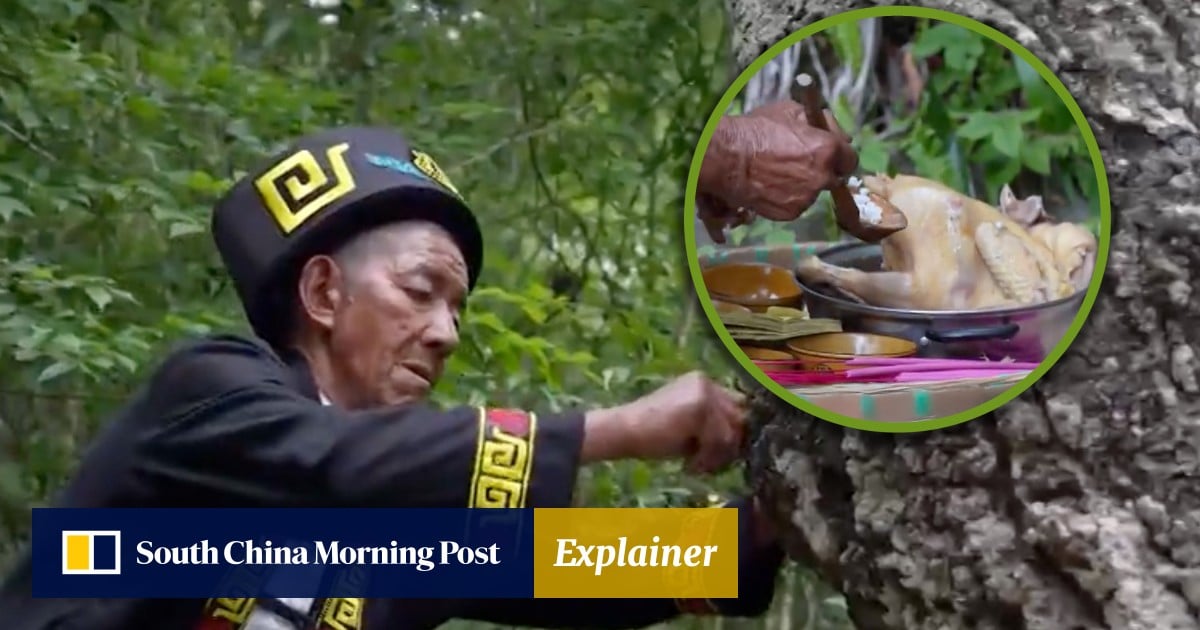
The Wei Shu: Unveiling the Ancient “Feeding the Tree” Ritual of ChinaS Gelao People
Have you ever encountered a tradition so unique, so deeply rooted in cultural belief, that it feels like stepping back in time? China’s Gelao ethnic group offers just such an experience with their captivating “Feeding the Tree” ritual, known as Wei Shu in the gelao language.This ancient practice isn’t merely a custom; it’s a vibrant expression of their connection to nature and a plea for a prosperous harvest.
This article delves into the interesting world of the Gelao people and their Wei Shu ritual, exploring its origins, importance, and how it continues to thrive today.
Who Are the Gelao People?
The Gelao are a fascinating ethnic group primarily residing in the Gelao autonomous counties of western Guizhou province in southwestern China. As of 2021,their population within China is estimated to be over 677,000. Thay also have a presence in Vietnam,adding to the rich tapestry of Southeast Asian cultures.
Historically, the Gelao have been an agricultural society. They skillfully cultivate rice in the lower-lying areas and a variety of grains in the mountainous terrain, demonstrating a deep understanding of their environment.Their lives are intrinsically linked to the land, making the success of each harvest paramount.
The Wei Shu: A Ritual Rooted in Agricultural Hope
The Wei Shu, or “Feeding the Tree” ritual, is a cornerstone of Gelao culture. It’s traditionally performed during two pivotal moments in the agricultural calendar: the Spring Festival and the gelao New Year,which falls on the third day of the third lunar month. But what exactly does this ritual entail?
Essentially, the Gelao believe that specific trees possess a spirit that influences the fertility of the land and the abundance of the harvest. During the Wei Shu, the community gathers around a “chosen” tree – often a mature, healthy specimen – and offers it food and drink. This isn’t just any offering, though.
here’s a breakdown of the typical elements involved:
* selection of the Tree: Elders carefully select a tree believed to be blessed and receptive to their prayers.
* Offerings: These commonly include rice, wine, meat, and other locally produced foods.
* Ritualistic Feeding: The offerings are placed at the base of the tree, sometimes even “fed” to the trunk, symbolizing nourishment for the spirit within.
* prayers and Incantations: Prayers are offered for a bountiful harvest, good health, and prosperity for the community.
* Community Participation: The entire village participates, reinforcing social bonds and shared beliefs.
Why Do the Gelao “Feed the Tree”?
The Wei Shu isn’t simply about superstition. It’s a complex expression of the Gelao worldview, deeply intertwined with animistic beliefs and a reverence for nature. You can understand the ritual as a way to:
* Honor the Tree spirit: The Gelao believe the tree houses a benevolent spirit that protects their crops.
* Ensure Fertility: Nourishing the tree spirit is thought to directly impact the fertility of the land.
* Promote Community Unity: The ritual brings the community together, strengthening social cohesion.
* Express Gratitude: It’s a way to thank the natural world for its gifts and seek continued blessings.
The Wei shu Today: Preservation and Adaptation
In a rapidly changing world, how is this ancient tradition faring? Fortunately, the wei Shu remains a vibrant part of Gelao cultural identity. While modernization has brought changes to their way of life,the Gelao people are actively working to preserve their heritage.
Efforts to safeguard the Wei Shu include:
* Cultural Preservation Programs: Local governments and cultural organizations support initiatives to document and promote Gelao traditions.
* Intergenerational Transmission: Elders are actively teaching younger generations about the significance of the ritual.
* Tourism and Cultural Exchange: Responsible tourism can help raise awareness and provide economic incentives for preserving the Wei Shu.
Though, challenges remain.Balancing tradition with modern life,and ensuring the ritual isn’
Keep reading