China Deploys AI-Powered Robots to Enhance Power Grid Infrastructure
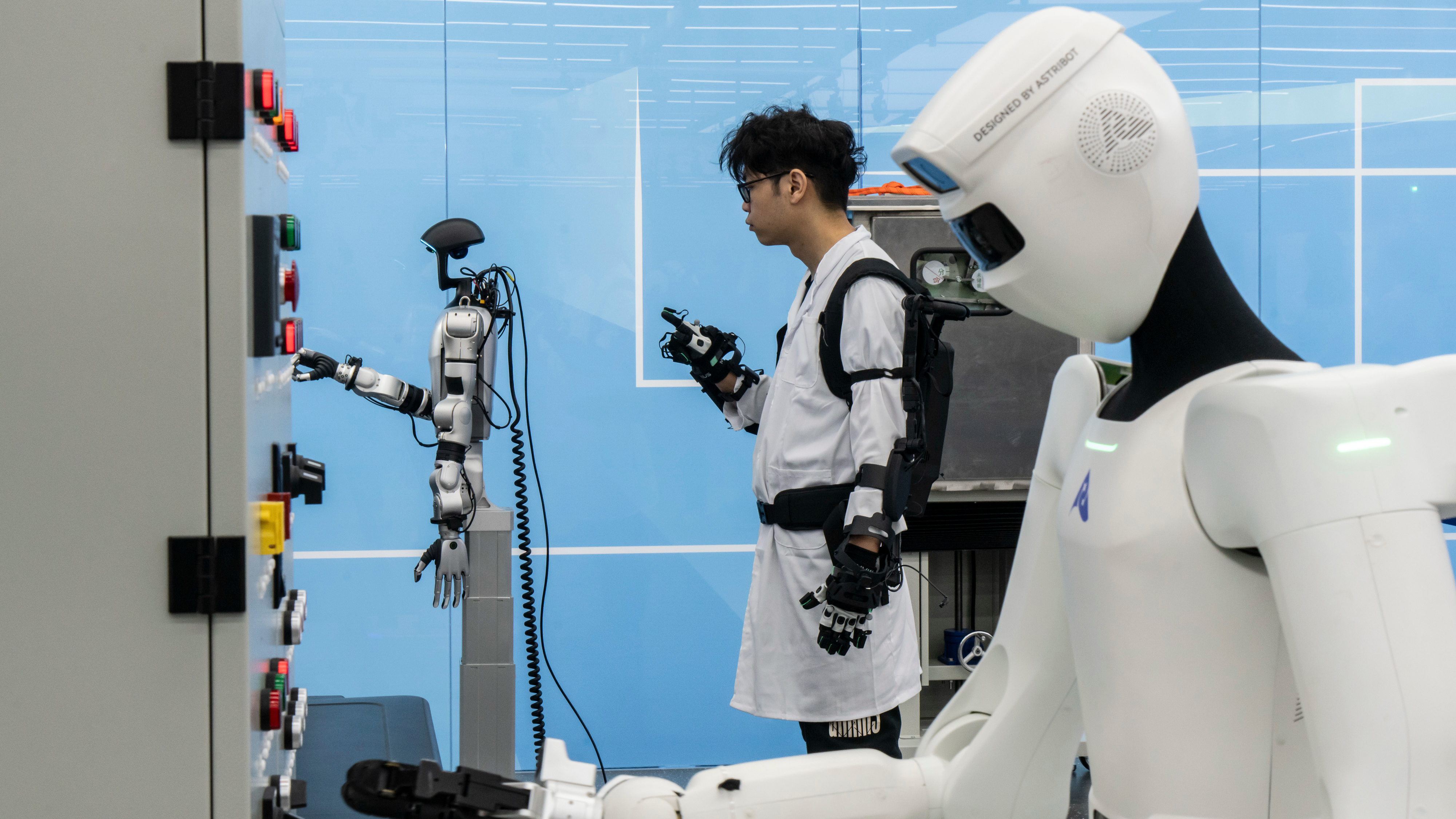
China is embarking on a large-scale deployment of artificial intelligence-powered robots, including thousands of quadruped “robot dogs,” to modernize and bolster its power grid infrastructure. This initiative, slated for 2026, reflects a growing trend of integrating AI into critical infrastructure globally, aiming to improve efficiency, reduce risks for human workers, and address the challenges of maintaining increasingly complex power networks. The move underscores China’s commitment to technological advancement and its ambition to lead in the rapidly evolving field of robotics.
State Grid Corporation of China plans to acquire approximately 8,500 AI-powered robots in 2026, with around 5,000 of these being quadruped robots, often referred to as “robot dogs,” according to reports from the South China Morning Post. The project represents a significant investment of 6.8 billion yuan, equivalent to roughly $1 billion USD (as of April 30, 2026), and will witness these robots deployed for tasks such as inspecting substations, patrolling transmission lines, and handling maintenance in remote or hazardous environments.
This deployment isn’t simply about automation; it’s a strategic response to the pressures facing power grids worldwide. Aging infrastructure, coupled with increasing energy demands driven by the proliferation of artificial intelligence and data centers, necessitates innovative solutions. China’s approach prioritizes enhancing safety by minimizing human exposure to dangerous perform conditions and accelerating maintenance operations, ultimately contributing to a more reliable and resilient power supply.
Beyond Four Legs: Humanoid and Dual-Arm Robots for High-Risk Tasks
The initiative extends beyond quadruped robots, encompassing the deployment of humanoid and dual-arm robots designed for more complex and high-risk tasks. These advanced machines will be tasked with maintaining ultra-high-voltage power lines and performing live-line operations – procedures that traditionally pose significant dangers to human workers. According to the South China Morning Post, these robots are intended to handle “more high-stakes tasks,” including the upkeep of China’s rapidly expanding ultra-high-voltage power grid.
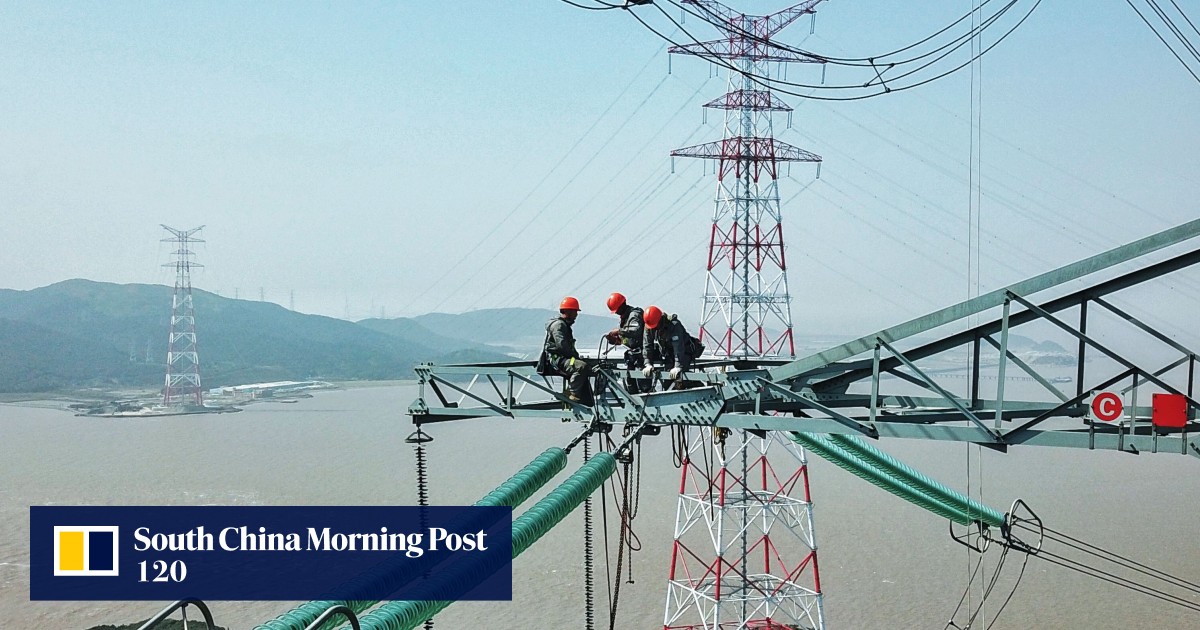
The scope of this robotic workforce is expected to be comprehensive, covering hundreds of specialized tasks and forming a fully integrated system. This isn’t a fragmented effort; it’s a coordinated push to transform how China manages its power infrastructure. The broader deployment is expected to cover hundreds of specialized tasks, forming what some reports describe as a fully integrated robotic workforce.
The investment isn’t limited to State Grid Corporation of China. Other major utilities, including China Southern Power Grid, are also making substantial investments in similar robotic technologies. Industry estimates, as cited by the South China Morning Post, suggest that combined spending across the sector will exceed 10 billion yuan in 2026.
Key Players in China’s Robotics Revolution
Several Chinese robotics firms are poised to play a crucial role in supplying the robots for this ambitious project. Unitree Robotics, UBTech Robotics, and Fourier Intelligence are among the key companies expected to deliver these advanced machines. Unitree Robotics, known for its agile quadruped robots, is likely to be a major provider of the “robot dog” component of the deployment. UBTech Robotics, with its expertise in humanoid robots, is expected to contribute to the more complex tasks requiring human-like dexterity. Fourier Intelligence, specializing in robotic exoskeletons and rehabilitation robots, may contribute to solutions for assisting human workers in specific maintenance scenarios.
China’s ambition in robotics extends beyond its own borders. A subsidiary of China Southern Power Grid has already established a partnership to deploy its “Feiyun” robot dogs in Chile. These robots will be utilized for inspecting remote substations, demonstrating China’s intent to not only adopt robotic systems domestically but also to export this technology as part of its broader infrastructure strategy. This international collaboration highlights the potential for China to become a leading exporter of robotic solutions for power grid management.
A Global Shift: AI Moves into Physical Infrastructure
The deployment of robots in China’s power grid represents a significant shift in the global AI landscape. The focus is moving beyond software-based AI applications, such as chatbots and office tools, and into the realm of physical infrastructure. This transition signifies a growing recognition of the potential for robots to enhance efficiency, improve safety, and address the challenges of maintaining critical infrastructure in a rapidly changing world. The increasing demand for energy, fueled by the growth of artificial intelligence and data centers, is further accelerating this trend.

This isn’t an isolated event. Power grids worldwide are facing similar pressures, including aging infrastructure and the require to accommodate increasing energy demands. China’s approach, by prioritizing the reduction of human exposure to hazardous work and the acceleration of maintenance operations, offers a potential model for other countries seeking to modernize their power infrastructure. The integration of AI and robotics into physical infrastructure is poised to become a defining characteristic of the next generation of energy systems.
The broader implications of this trend extend beyond the power sector. As AI technology continues to advance, One can expect to see similar deployments in other critical infrastructure areas, such as transportation, water management, and telecommunications. The integration of robots into these systems will likely lead to increased efficiency, improved safety, and a more resilient infrastructure overall.
Key Takeaways
- Massive Investment: China is investing approximately $1 billion in AI-powered robots for its power grid in 2026.
- Dual-Robot Approach: The deployment includes both quadruped “robot dogs” and more advanced humanoid and dual-arm robots.
- Safety and Efficiency: The primary goals are to reduce risks for human workers and accelerate maintenance operations.
- Global Expansion: China is already exporting its robotic solutions, with deployments planned in Chile.
- Shifting AI Landscape: The focus is moving from software-based AI to real-world robotic applications in critical infrastructure.
As China continues to implement this ambitious plan, the world will be watching closely to assess its impact on the power grid sector and the broader robotics industry. The success of this initiative could pave the way for similar deployments in other countries, accelerating the adoption of AI and robotics in critical infrastructure worldwide. The next major development to watch for will be the initial deployment reports from State Grid Corporation of China in early 2027, detailing the performance and impact of these robotic systems.
What are your thoughts on the increasing role of robots in critical infrastructure? Share your comments below, and let’s discuss the future of AI and automation.
Worth a look