
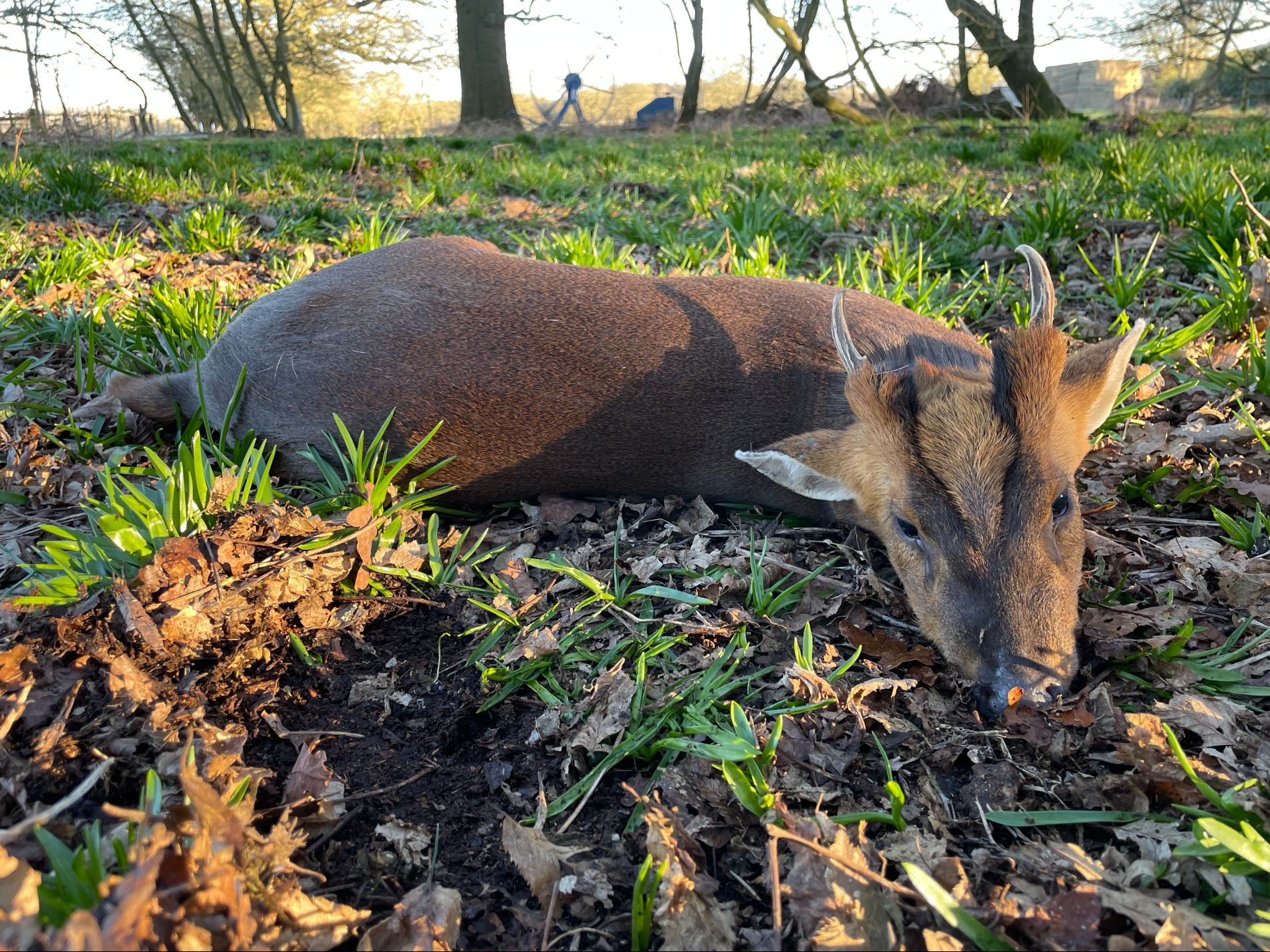
An unexpected wildlife sighting has been reported in the Limburg region of Belgium, where a Chinese muntjac deer was spotted wandering near the village of Neeroeteren. The animal, described as an exotic species not native to the area, was observed moving along a local hunting trail toward the nearby municipality of Opitter. Local residents expressed surprise at the encounter, noting it marked the first time they had seen such a creature in the wild in that part of the country.
The incident highlights growing concerns about non-native species appearing in European ecosystems, often as a result of escapes from private collections or illegal wildlife trade. While the Chinese muntjac is known to inhabit parts of Southeast Asia, its presence in Belgium raises questions about how the animal arrived in the region and whether it poses any risks to local biodiversity or public safety. Authorities have not yet confirmed the origin of the deer or whether it escaped from captivity.
According to the initial report, the muntjac was seen traversing a jaagpad — a Dutch term for a hunting path — which connects rural areas between Neeroeteren and Opitter. These trails are commonly used for wildlife management and recreational purposes in the Flemish countryside. The animal’s movement along such a route suggests it may have been following natural corridors or responding to environmental stimuli, though its exact motivations remain unclear.
Wildlife experts note that muntjac deer, particularly the Reeves’ muntjac (Muntiacus reevesi), are small, solitary animals known for their adaptability to various habitats. Originally from China and Taiwan, they have been introduced to several countries, including the United Kingdom, where they now exist in feral populations. Their ability to thrive in woodland and scrubland environments makes them a concern for conservationists when found outside controlled settings.
In Belgium, the keeping of exotic animals is regulated under federal and regional laws aimed at preventing ecological disruption and ensuring animal welfare. Any sighting of a non-native species like the Chinese muntjac is typically reported to regional environmental agencies or wildlife rescue organizations, which assess whether intervention is needed. As of now, no official statement has been issued by Flemish authorities regarding capture efforts or public advisories related to the sighting.
The encounter has sparked curiosity among local nature enthusiasts and raised awareness about the potential consequences of exotic pet ownership. While the muntjac is generally shy and non-aggressive toward humans, its presence in unfamiliar terrain could lead to conflicts with native species or unintended harm if it becomes stressed or disoriented. Observers are advised not to approach or feed the animal, as this could alter its natural behavior or put both the deer and people at risk.
This incident adds to a growing record of unusual wildlife sightings across Europe, where shifting climate patterns, increased global trade, and lapses in private animal containment have contributed to the appearance of species far outside their natural ranges. Similar cases have included raccoons in Germany, coatis in Italy, and various reptile species in southern France — each prompting discussions about biosecurity and responsible wildlife stewardship.
For now, the fate of the muntjac near Neeroeteren remains unknown. Whether it will be captured, return to captivity on its own, or establish a temporary foothold in the local ecosystem is uncertain. Wildlife monitors continue to encourage the public to report any further sightings through official channels so that experts can track the animal’s movements and determine an appropriate response.
As communities grapple with the realities of a more interconnected world, such encounters serve as reminders of the delicate balance between human activity and wildlife preservation. The sighting of a Chinese muntjac in rural Belgium may be a fleeting moment — but it underscores the importance of vigilance, regulation, and respect for the natural boundaries that protect both animals and ecosystems.