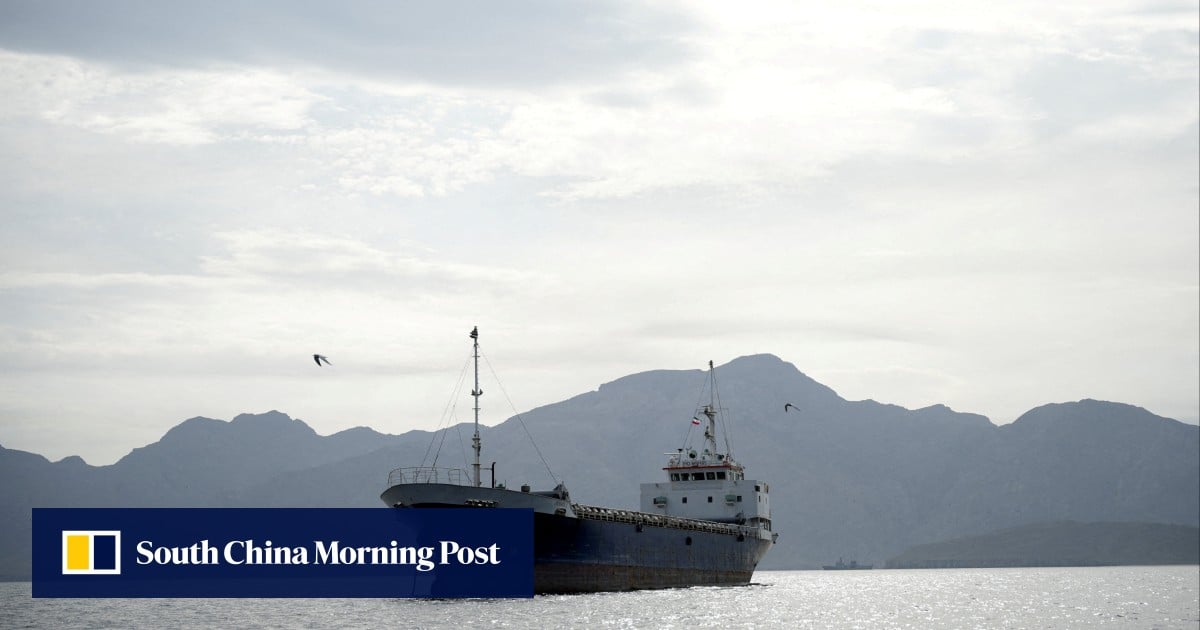
A fully laden Chinese tanker retreats from US Hormuz blockade operations, having turned back twice within a 48-hour window. The vessel, identified as the Rich Starry, attempted to navigate the blockade currently impacting traffic leaving Iranian ports.
The incident underscores the increasing operational risks facing commercial shipping in the region. Despite departing from the United Arab Emirates, the tanker was unable to proceed through the naval blockade, highlighting a cautious approach by Chinese commercial operators weighing the potential for seizure or confrontation.
Navigational Data and Timeline
According to tracking data provided by Mingkun Technology, the Rich Starry sailed east through the Strait of Hormuz and entered the Gulf of Oman at approximately 2 a.m. Local time on Tuesday. The vessel’s subsequent retreat marks the second time in two days that the tanker has abandoned its course in response to the US naval presence.

The Strait of Hormuz remains one of the world’s most critical maritime chokepoints, and the current blockade of Iranian port traffic has created significant volatility for global oil shipping. The movements of the Rich Starry provide a visible example of how commercial interests are reacting to the heightened security environment.
Assessment of Maritime Risks
Industry analysts suggest that the retreat of the Rich Starry indicates that Chinese shipping firms are meticulously calculating the risks associated with the US naval blockade. The decision to turn back twice suggests a priority on vessel and cargo safety over the completion of the transit.
analysts have noted that the blockade is being applied uniformly, stating that no country’s ships are receiving “special treatment” as they attempt to navigate the waters surrounding Iranian ports. This lack of preferential passage has forced various international commercial vessels to reconsider their routes or timing regarding the Hormuz blockade.
As the situation in the Gulf of Oman and the Strait of Hormuz evolves, the maritime community continues to monitor how commercial fleets will adapt to the US naval restrictions on Iranian port traffic.
World Today Journal will continue to monitor official naval advisories and shipping data for further updates on this development. We invite our readers to share their perspectives on the impact of maritime blockades on global trade in the comments section below.
Keep reading