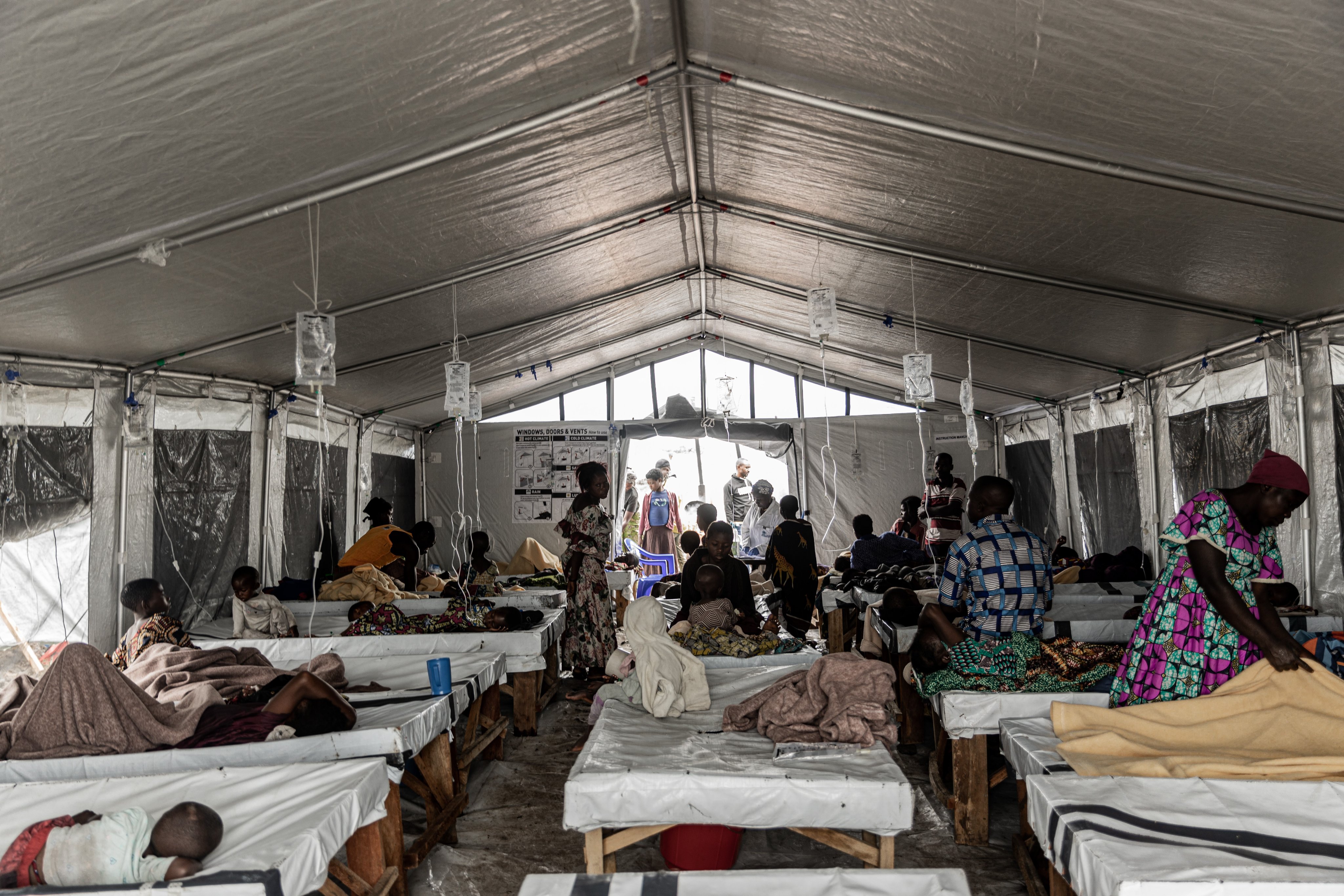
Health authorities in the eastern Democratic Republic of Congo have issued a cholera alert for the Kibua health zone in Walikale territory, raising concerns about the potential spread of the waterborne disease in a region already grappling with humanitarian challenges. The alert, reported by local media including Radio Okapi, follows suspected cases identified in recent days, prompting rapid response efforts from provincial health teams and humanitarian partners. Cholera, caused by the bacterium Vibrio cholerae, can lead to severe dehydration and death within hours if untreated, making early detection and intervention critical in preventing outbreaks.
The situation in Kibua underscores ongoing vulnerabilities in disease surveillance and healthcare access in remote areas of the DRC, where limited infrastructure, periodic insecurity, and displacement due to conflict often hinder timely medical responses. While the exact number of suspected or confirmed cases has not been independently verified through official channels as of this reporting, health officials emphasize the importance of preventive measures such as safe water consumption, proper sanitation, and prompt medical care for symptoms like acute watery diarrhea. The World Health Organization (WHO) notes that cholera remains a global threat to public health, particularly in settings with inadequate water treatment and sanitation systems.
In response to the alert, the DRC’s Ministry of Public Health, supported by partners including UNICEF and Médecins Sans Frontières (MSF), has reportedly activated surveillance teams and begun distributing oral rehydration salts and water purification supplies in affected areas. These efforts aim to contain transmission while longer-term solutions for clean water access are pursued. Historical data shows that cholera outbreaks in the DRC tend to peak during rainy seasons when flooding contaminates water sources, though cases can occur year-round in endemic zones.
Verified information from the WHO’s cholera dashboard indicates that the DRC has reported several hundred suspected cholera cases annually in recent years, with North and South Kivu provinces — where Walikale is located — frequently among the most affected regions. In 2023, the country recorded over 15,000 suspected cases and more than 200 associated deaths, according to WHO data linked to national health ministry reports. These figures highlight the persistent burden of diarrheal diseases in the region and the necessitate for sustained investment in health systems.
Access to safe drinking water remains a central challenge in preventing cholera transmission. The bacterium spreads primarily through ingestion of water or food contaminated with fecal matter from infected individuals. In areas like Kibua, where many residents rely on untreated surface water from rivers or lakes, the risk of contamination increases during periods of heavy rainfall or when sanitation facilities are overwhelmed or absent. Humanitarian organizations stress that chlorination of water sources, promotion of handwashing with soap, and safe disposal of human waste are among the most effective interventions to break the chain of transmission.
Medical treatment for cholera focuses on rapid rehydration to replace fluids and electrolytes lost through diarrhea and vomiting. Oral rehydration solution (ORS), a simple mixture of clean water, salt, and sugar, is highly effective for most cases and can be administered at the community level. Severe cases may require intravenous fluids and antibiotics, which can shorten the duration of illness and reduce bacterial shedding. Early access to care significantly improves outcomes, with case fatality rates dropping below 1% when treatment is timely and adequate.
The current alert in Kibua also raises questions about coordination between local health authorities, national epidemic response systems, and international partners operating in eastern DRC. The region has faced multiple overlapping crises in recent years, including armed group activity, displacement of millions of people, and recurrent outbreaks of diseases such as measles, malaria, and Ebola. These compounding pressures can strain surveillance networks and delay reporting, making community-based vigilance and rapid alert systems essential.
Efforts to strengthen cholera preparedness in the DRC include vaccination campaigns using oral cholera vaccines (OCV), which have been deployed in high-risk areas during previous outbreaks. The WHO prequalifies several OCV formulations that provide temporary protection and are recommended for apply in endemic settings or during humanitarian emergencies. However, vaccine availability remains limited by global supply constraints and funding challenges, meaning that prevention strategies must continue to prioritize water, sanitation, and hygiene (WASH) infrastructure alongside immunization.
As of the latest available updates, no official statement has been released by the DRC’s Ministry of Public Health confirming laboratory-verified cases in Kibua, nor has a specific case count been published by provincial health authorities. Humanitarian sources on the ground have indicated increased monitoring and preparedness activities, but independent verification of transmission scale or hospitalization numbers remains pending. Journalists and health monitors are advised to consult official channels such as the Ministry’s weekly epidemiological bulletins or WHO’s Disease Outbreak News for the most reliable information.
Looking ahead, the next key developments to watch include any official confirmation of cases through laboratory testing, the scale of the response deployed by health partners, and whether the alert leads to broader public health advisories for neighboring health zones. The rainy season’s progression will also be a critical factor in determining environmental conditions that could favor or impede cholera spread. Continued investment in local healthcare capacity, community engagement, and WASH programs remains vital to reducing the long-term risk of diarrheal disease outbreaks in eastern DRC.
For readers seeking reliable updates on cholera and other public health threats in the Democratic Republic of Congo, trusted sources include the World Health Organization’s regional office for Africa, the UN Office for the Coordination of Humanitarian Affairs (OCHA) DRC page, and the Centers for Disease Control and Prevention’s (CDC) travel and outbreak notices. Local news outlets with established reporting on health issues, such as Radio Okapi and Actualité.cd, often provide ground-level insights, though their reports should be cross-checked with official data when possible.
Stay informed, share verified information, and support efforts to strengthen global health security — especially in regions where the threat of preventable diseases like cholera remains all too real.
Related reading