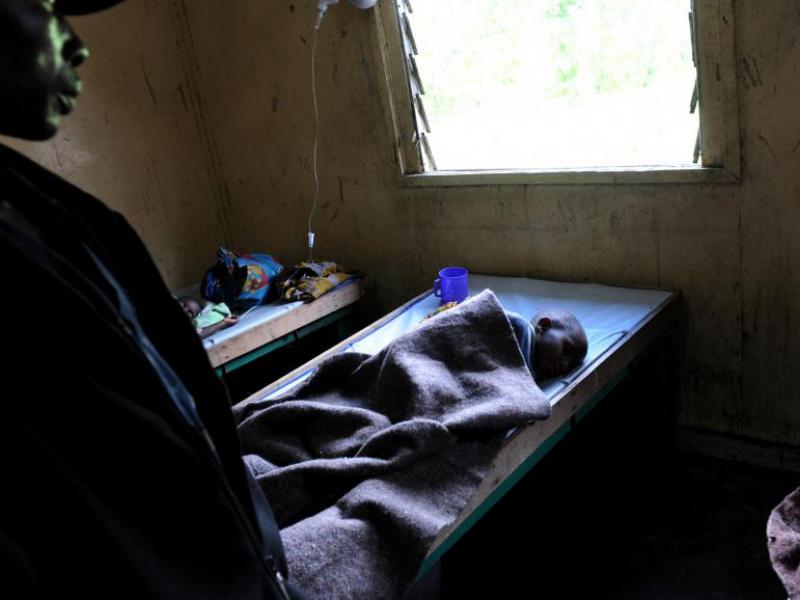
As of the first week of January 2026,a concerning outbreak of cholera has been identified in the Sangé health zone,within the uvira territory,with at least 240 cases reported. Understanding this infectious disease,its rapid spread,and the preventative measures you can take is crucial,especially considering its potential for severe complications. ItS especially important to stay informed given the recent uptick in reported cases across several African nations.
Cholera Outbreak: A Deep Dive into the Sangé Health Zone Situation
The Ndunda health area is currently designated as the epicenter of this evolving epidemic,with cases steadily increasing within neighboring areas like Nazareno,Sangé-État,and CEPAC. I’ve found that early identification of the source and rapid response are paramount in containing these outbreaks, something the local health officials are diligently working towards.
Detailed reports indicate a stark distribution of cases and fatalities: Ndunda has recorded 188 cases and one death so far; kigurwe has registered 30 cases and two deaths, including one community-based fatality; Rusabagi reports 12 cases and unfortunately, three deaths; and Kimuka has reported 10 cases with one death. These numbers, while concerning, underscore the importance of a continued and thorough assessment of the situation.
The risk of further spread remains elevated due to multiple interlocking factors. Ongoing population movements contribute substantially,as dose a concerning level of community negligence-some deaths were reported with considerable delays,hindering timely intervention. Overcrowding within families and temporary shelters also creates a breeding ground for transmission. Perhaps most critically, limited access to safe drinking water is a major driver of this outbreak, specifically pointing to the use of the Shange River, which is currently considered unfit for consumption.
Health officials in the Sangé zone are now urgently calling for enhanced measures, including a fortified epidemiological surveillance system and swift alert mechanisms. Prompt and appropriate medical care, including logistical support like motorcycles and ambulances to overcome delays due to community negligence, is also crucial. Additionally, a bolstered public awareness campaign focused on sanitation and preventative hygiene is essential.
Understanding Cholera Transmission and Symptoms
Cholera is an acute diarrheal infection caused by consuming food or water contaminated with the bacterium Vibrio cholerae.The World health association (WHO) highlights this as a notable global public health threat, frequently enough linked to inequality and a lack of socioeconomic development. It’s a disease that disproportionately impacts vulnerable populations.
Symptoms range from mild to severe, with most individuals experiencing moderate diarrhea that can be effectively treated with oral rehydration solutions. However, for a substantial portion of those infected – roughly 20% – the illness can escalate rapidly into a life-threatening state of severe dehydration. The incubation period is remarkably short, ranging from twelve hours to five days.
Mitigating Yoru Risk: Practical Steps for Prevention
What steps can *you* take to protect yourself and your family? I’ve always emphasized the power of preventative measures. here’s a straightforward plan:
- Water Safety: Always boil water for at least one minute, or utilize a trusted water purification method before drinking.
- Food handling: Thoroughly cook all food,especially seafood,and consume it while it’s still hot.
- Hygiene practices: Regularly wash your hands with soap and clean water, particularly after using the toilet and before handling food.
- Sanitation: ensure proper sanitation facilities are available and utilized.
Here’s a helpful table summarizing the key factors influencing cholera outbreaks:
| Factor | Impact |
|---|---|
| Water Source | Contaminated water is the primary transmission route. |
| Sanitation | Poor sanitation facilitates the spread of the bacteria. |
| Hygiene | Inadequate hygiene practices increase risk of infection. |
| Population Movement | can rapidly spread the disease to new areas. |
Considering the current global landscape, the re-emergence of preventable diseases like cholera serves as a powerful reminder of the importance of prioritizing public health infrastructure and equitable access to essential resources. It also demonstrates that continued vigilance, proactive measures, and community engagement are vital in minimizing the impact of such outbreaks.