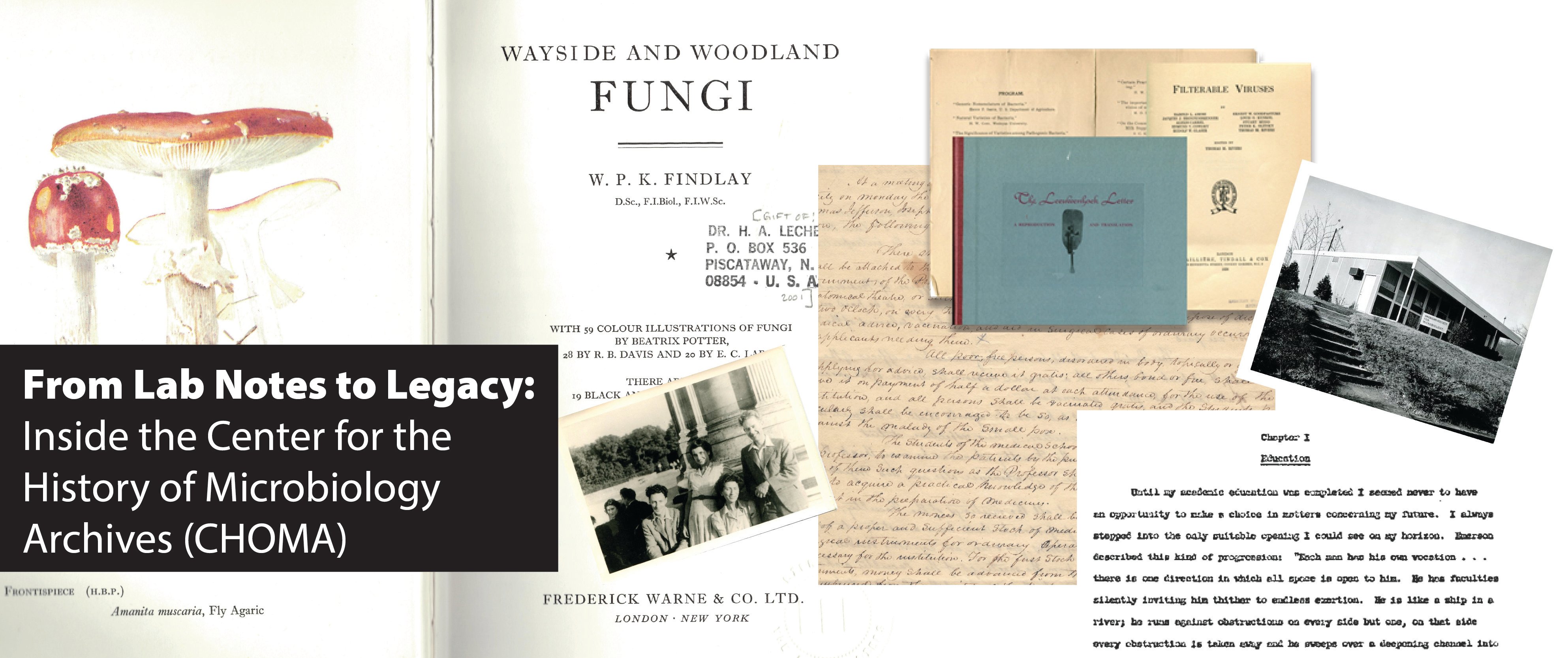
The world is filled with specialized archives, testaments to the human drive to categorize, preserve, and understand. From collections dedicated to comic books and punk music to repositories of peace activism artifacts, these curated spaces offer unique insights into specific facets of our culture and history. Often, it’s within these niche collections that researchers uncover unexpected connections and patterns. The Center for the History of Microbiology Archives (CHOMA), established to safeguard the historical record of a rapidly evolving scientific field, is a prime example. This archive, housed at the University of Maryland Baltimore County, isn’t simply a storehouse of scientific data; it’s a window into the human story behind groundbreaking discoveries, offering a tangible link to the past that continues to inform our present and future understanding of the microbial world.
The story of CHOMA began in 1935, a period of significant advancement in microbiology. Recognizing the importance of preserving the legacy of this burgeoning field, the American Society for Microbiology (ASM), then known as the Society of American Bacteriologists, formed a Committee on Archives. Initially, this committee’s work was decentralized, with materials held by the chair. However, as microbiology’s influence expanded across medicine, public health, and industry, the need for a more permanent and centralized archive became increasingly apparent. By the 1970s, the ASM partnered with the University of Maryland Baltimore County (UMBC) to establish a dedicated institutional home for the collection, ensuring its professional preservation and accessibility. This collaboration culminated in the official opening of CHOMA in 1985, marking a pivotal moment in the preservation of microbiology’s history.
A Vast Collection Documenting a Century of Discovery
Today, CHOMA stands as a comprehensive resource, housing over 9,000 volumes directly related to microbiology. But the archive’s scope extends far beyond books and journals. It encompasses a remarkably diverse range of materials, including research papers, meticulously detailed lab notebooks, photographs capturing pivotal moments in scientific investigation, slides used for microscopic analysis, motion pictures documenting experimental procedures, manuscripts detailing groundbreaking theories, personal correspondence revealing the collaborative nature of scientific inquiry, artwork inspired by the microbial world, instructional materials used to educate future generations of microbiologists, audio recordings preserving the voices of key figures, and even obituaries honoring those who dedicated their lives to the field. This breadth of holdings allows researchers to explore not only the scientific breakthroughs themselves but also the everyday work, intellectual debates, and collaborative spirit that shaped the discipline.
The value of such a collection lies in its ability to contextualize scientific progress. Microbiology, like any scientific field, doesn’t exist in a vacuum. It’s shaped by broader historical, social, and political forces. CHOMA’s holdings reflect this interconnectedness, extending beyond the purely scientific to encompass the wider history of American science and education. For example, the archive contains minutes from the meeting at which the University of Virginia’s medical school and vaccine clinic were established, penned in the handwriting of Thomas Jefferson just months before his death in 1826. Monticello.org, the official website of Thomas Jefferson’s home, details his extensive involvement in the founding of the University of Virginia and its medical school. This document serves as a powerful reminder that the roots of modern microbiology are intertwined with the early development of American institutions and the pursuit of public health.
Voices from the Past: Rosalind Franklin and the Human Dimension of Science
Beyond the written record, CHOMA preserves the voices of the scientists themselves. The archive’s audio collections are particularly compelling, offering a rare opportunity to hear directly from individuals who shaped the field. Among the most significant recordings is that of Rosalind Franklin, a chemist and X-ray crystallographer whose work was crucial to understanding the molecular structures of DNA, RNA, viruses, coal, and graphite. The Science History Institute provides a detailed biography of Franklin, highlighting her contributions and the challenges she faced as a woman in science. Her X-ray diffraction images, particularly “Photo 51,” provided critical insights into the double helix structure of DNA, a discovery that revolutionized biology. Hearing Franklin speak in her own voice adds a deeply human dimension to a scientific narrative often reduced to diagrams and written descriptions, reminding us of the individual dedication and intellectual rigor behind every breakthrough.
The Importance of Archival Preservation in a Rapidly Changing World
The preservation of these materials is not merely an academic exercise. It’s a vital undertaking with implications for contemporary science and public health. Understanding the history of microbiology – the successes, the failures, and the ethical dilemmas – is crucial for navigating the challenges of emerging infectious diseases, antibiotic resistance, and the ongoing development of new vaccines and therapies. CHOMA serves as a living record, documenting how discoveries were made, how problems were solved, and how individuals contributed to a field that continues to shape modern medicine. The archive’s holdings can inform current research, inspire new innovations, and provide valuable lessons for future generations of scientists. The ongoing threat of antimicrobial resistance, for example, underscores the need to understand the historical development of antibiotics and the mechanisms by which bacteria evolve resistance. The Centers for Disease Control and Prevention (CDC) provides comprehensive information on antibiotic resistance, its causes, and strategies for combating it.
CHOMA’s collection highlights the importance of interdisciplinary collaboration in scientific progress. Microbiology is not a solitary pursuit; it requires the expertise of chemists, physicists, biologists, physicians, and public health officials. The archive’s materials document the complex interactions between these disciplines, demonstrating how collaborative efforts have led to some of the most significant advances in our understanding of the microbial world. This emphasis on collaboration is particularly relevant today, as scientists grapple with complex global health challenges that require coordinated responses across multiple sectors.
Supporting Research and Access to the Past
To facilitate access to this invaluable resource, CHOMA offers the History of Microbiology Research Travel Awards to applicants from around the world. These awards provide financial support for researchers who wish to conduct in-depth investigations using the archive’s collections. By fostering scholarly engagement with the history of microbiology, CHOMA ensures that the lessons of the past continue to inform the present and shape the future. The archive actively encourages researchers from diverse backgrounds and disciplines to explore its holdings, recognizing that new perspectives can lead to fresh insights and innovative discoveries.
The Center for the History of Microbiology Archives stands as a testament to the enduring power of historical preservation. It’s a place where the past comes alive, offering a unique opportunity to connect with the individuals and events that have shaped our understanding of the microbial world. As we face new and evolving health challenges, the lessons learned from the history of microbiology – preserved within the walls of CHOMA – will undoubtedly prove invaluable.
Researchers continue to explore CHOMA’s vast collection, uncovering new insights and deepening our understanding of microbiology’s rich history. The archive’s ongoing commitment to preservation and accessibility ensures that this valuable resource will remain available for generations to come. The next major initiative for CHOMA involves digitizing a significant portion of its collection to broaden access and enhance preservation efforts, with a projected completion date in late 2027, according to a recent statement from the University of Maryland Baltimore County.
What artifact within CHOMA’s collection do you identify most fascinating? Share your thoughts in the comments below, and don’t hesitate to share this article with colleagues and friends interested in the history of science and public health.
Keep reading