As the political landscape in South Korea shifts toward the pivotal 2026 local elections, the digital battleground is becoming as significant as the traditional campaign trail. Recent social media activity has highlighted a growing strategic alignment within the Democratic Party of Korea, specifically focusing on the synergy between national leadership aspirations and local governance in the nation’s capital.
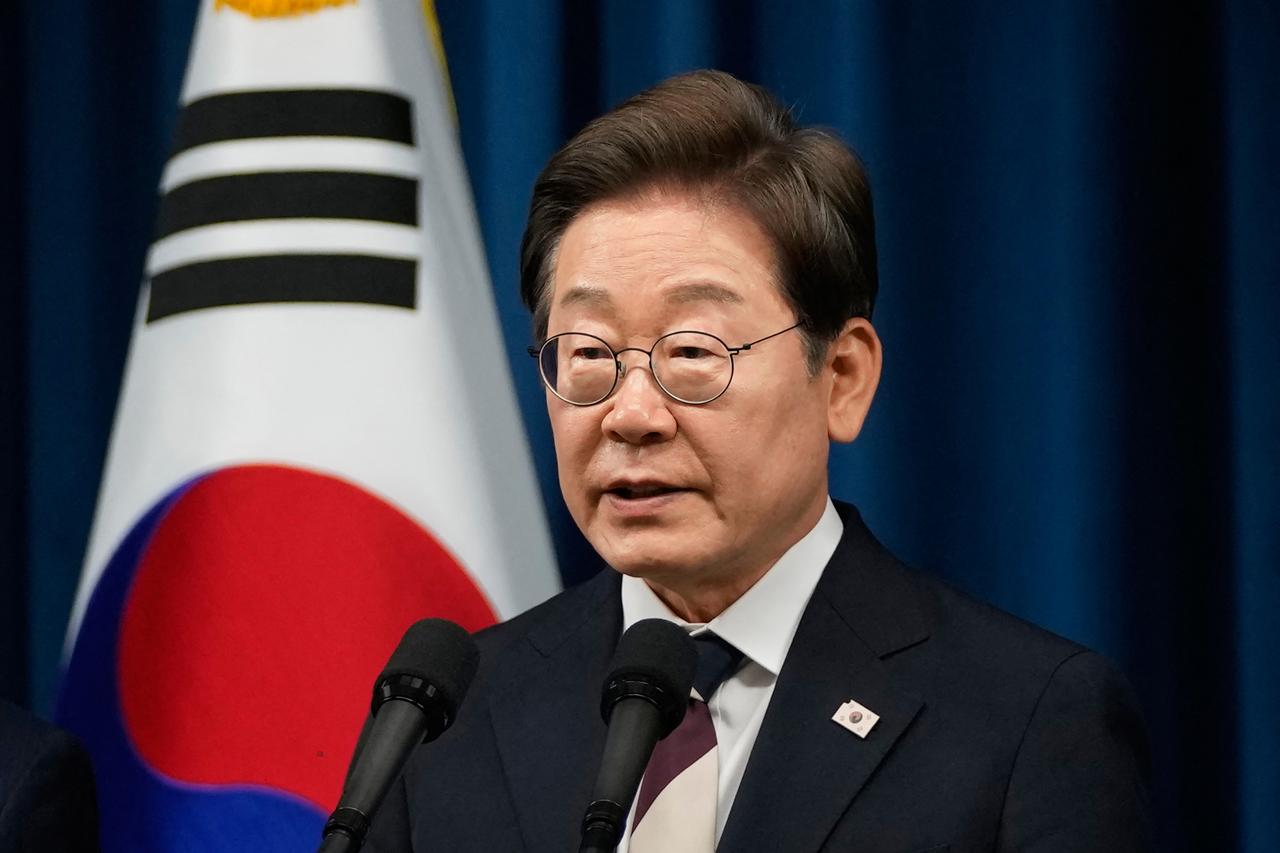
A recent post from politician Jung Won-oh has signaled a clear intent to bridge the gap between the central government’s vision and the administration of Seoul. The message, shared via Instagram, emphasizes a “hands and feet” approach—a term used to describe working in perfect tandem—with the political movement led by Lee Jae-myung. This move is seen by analysts as a calculated effort to consolidate support in Seoul, a region that often serves as the ultimate barometer for national political momentum.
The timing of such messaging is critical. With the National Election Commission of South Korea overseeing the upcoming local elections scheduled for June 2026, candidates are increasingly utilizing direct-to-voter social media platforms to bypass traditional media filters and build personal rapport with the electorate.
이재명 정부의 성공 서울에서 뒷받침하겠습니다! 이재명 대통령과 손발을 맞춰서 일할 정원오에게 …
The Strategic Alignment: Jung Won-oh and Lee Jae-myung
Jung Won-oh, a prominent figure within the Democratic Party, is positioning himself as a vital link in a broader political chain. By explicitly linking his campaign to the political trajectory of Lee Jae-myung, Jung is tapping into a powerful brand of leadership that resonates with a specific segment of the South Korean electorate. The core of this strategy is the promise of administrative continuity and legislative synergy.
For voters in Seoul, the promise of “working in tandem” with a potential national administration offers a sense of stability. The argument presented is that if Seoul’s leadership and the central government are aligned in ideology and policy, the implementation of large-scale urban projects, welfare programs, and economic reforms will be significantly more efficient. This “synergy factor” is designed to appeal to urban voters who are concerned with the practicalities of metropolitan governance.
Lee Jae-myung, currently a central figure in the Democratic Party, has long maintained a platform focused on social welfare and economic reform. By aligning his local campaign with Lee’s national vision, Jung Won-oh is essentially inviting Seoul voters to participate in a larger national movement. This elevates the local election from a mere municipal contest to a referendum on the future direction of the entire country.
Understanding the Political Context
To grasp the weight of this campaign, one must understand the unique role of Seoul in South Korean politics. As the economic, cultural, and political heart of the nation, the winner of the Seoul mayoral race often gains significant leverage in the National Assembly. A decisive victory for the Democratic Party in Seoul would provide a powerful mandate for their national agenda heading into the next presidential cycle.
The 2026 local elections are not merely about choosing governors and mayors; they are a testing ground for the political parties’ ability to mobilize their base and appeal to moderates. For the Democratic Party, securing Seoul is paramount to demonstrating that their policies can successfully manage the complexities of a global megacity.
The 2026 South Korean Local Election Landscape
The upcoming June 2026 elections will determine the leadership of local governments across the country, including provincial governors and municipal heads. These roles are responsible for critical functions ranging from public transportation and housing to local economic development and social services.
The following table outlines the key components of the upcoming electoral cycle:
| Election Component | Details | Significance |
|---|---|---|
| Scheduled Date | June 3, 2026 | Determines the timeline for all official campaigning and voting. |
| Key Jurisdictions | Seoul, Busan, Incheon, etc. | Seoul serves as the primary indicator of national political sentiment. |
| Primary Focus | Local Governance & Policy | Decisions on urban planning, welfare, and local economic stability. |
| Political Impact | National Mandate | Results influence the momentum for the next Presidential election. |
Social Media as a Political Tool in the Digital Age
The use of Instagram by politicians like Jung Won-oh reflects a global trend in political communication. In South Korea, where digital literacy and smartphone penetration are among the highest in the world, social media has become a primary channel for political mobilization. This “digital-first” approach allows candidates to:
- Humanize the Candidate: Through behind-the-scenes content and direct interactions, politicians can appear more accessible.
- Rapid Response: Campaigns can react to breaking news or opponent claims in real-time.
- Targeted Messaging: Using data-driven insights, candidates can tailor their messages to specific demographics, such as younger voters in urban centers.
- Bypass Gatekeepers: Direct communication reduces the reliance on traditional news outlets, allowing for more unfiltered messaging.
However, this shift also brings challenges. The rapid spread of information on social media can lead to the proliferation of misinformation, making the role of verified journalism even more critical. For observers, the challenge lies in distinguishing between a candidate’s genuine policy platform and the highly curated “digital persona” designed for social media engagement.
What In other words for Seoul Voters
For the residents of Seoul, the campaign’s focus on “synergy” means that their local vote will carry heavy national implications. The debate is shifting from purely local issues—such as specific neighborhood developments—to broader questions of how Seoul fits into the national political ecosystem. Voters will need to decide whether they prioritize local autonomy or the perceived benefits of a unified national-local political front.
As the campaign intensifies, the focus is expected to move toward concrete policy proposals. How exactly will Jung Won-oh and Lee Jae-myung’s “synergy” manifest in terms of housing prices, public transit, and job creation in Seoul? These are the questions that will ultimately decide the outcome in June 2026.
Key Takeaways
- Strategic Alignment: Jung Won-oh is explicitly linking his Seoul campaign to the political vision of Lee Jae-myung to ensure policy continuity.
- The 2026 Election: Local elections in South Korea are scheduled for June 3, 2026, and will serve as a major political bellwether.
- Seoul’s Importance: Success in the Seoul mayoral race is a critical component for the Democratic Party’s national strategy.
- Digital Mobilization: Social media platforms like Instagram are becoming central to political campaigning and voter engagement in South Korea.
Next Checkpoint: Monitor official announcements from the National Election Commission regarding candidate registration deadlines and the formal commencement of the official campaign period.
What are your thoughts on the growing influence of social media in South Korean politics? Do you believe political synergy between local and national leaders is essential for effective governance? Let us know in the comments below and share this article with your network.