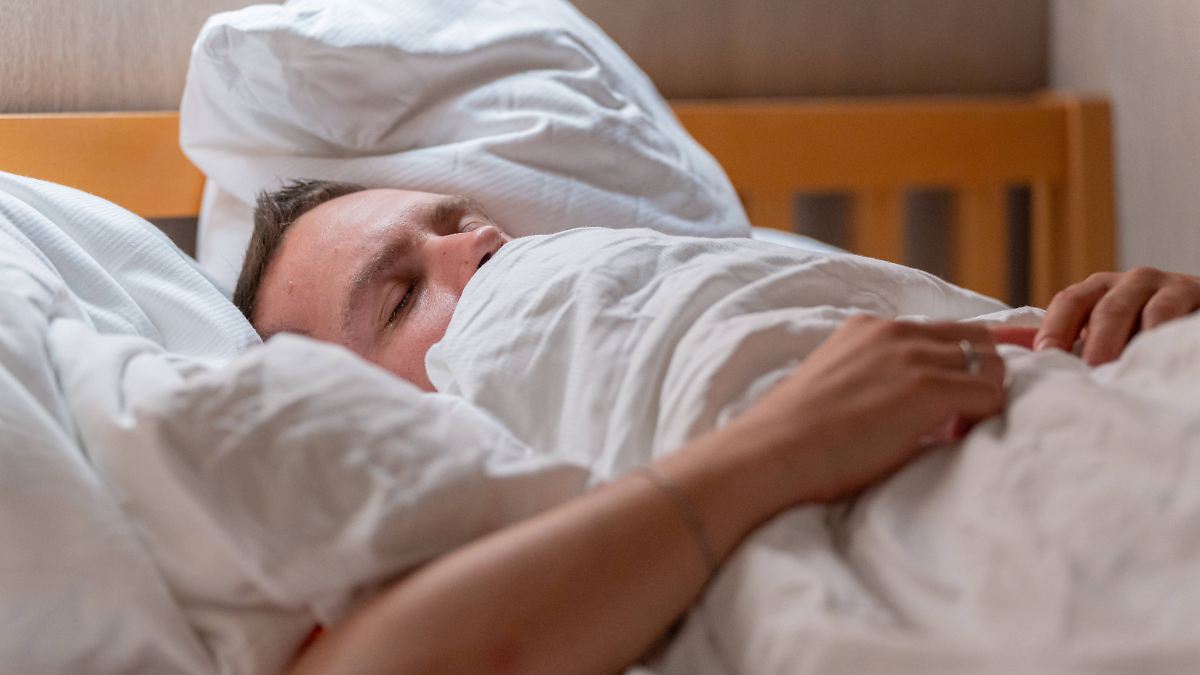
Sleep disorders have emerged as a significant public health challenge in modern society, with data suggesting that a substantial portion of the population in Germany experiences difficulty obtaining restorative rest. As a physician, I frequently encounter patients who struggle with the consequences of chronic sleep deprivation, ranging from impaired cognitive function to long-term metabolic and cardiovascular risks. Understanding why approximately one in three adults in Germany reports suffering from sleep disorders—a statistic frequently cited in national health reporting—requires a nuanced look at the intersection of lifestyle, environmental stressors, and clinical health.
The prevalence of sleep disturbances is not merely a matter of individual habit but reflects broader societal shifts. From the demands of a high-pressure digital economy to the physical impacts of sedentary work environments, the barriers to high-quality sleep are multifaceted. Addressing these challenges necessitates a combination of medical intervention, when appropriate, and intentional lifestyle adjustments grounded in the principles of sleep hygiene.
The Complexity of Modern Sleep Disturbances
When we discuss why so many individuals face challenges with sleep, it is critical to distinguish between transient stress-related insomnia and chronic sleep disorders such as obstructive sleep apnea or restless legs syndrome. According to the Robert Koch Institute (RKI), which monitors health trends across the German population, sleep quality is a key indicator of overall well-being. The institute’s health reporting emphasizes that chronic sleep problems are often comorbid with other conditions, including anxiety disorders, depression, and chronic pain.
The “one in three” figure often referenced in German media stems from broader epidemiological surveys, such as those conducted by health insurance providers and the RKI, which track self-reported sleep quality over time. These findings consistently highlight that women and older adults are disproportionately affected by sleep fragmentation. This disparity is often attributed to hormonal fluctuations, the prevalence of underlying chronic conditions, and the cumulative effects of psychosocial stress.
Key Drivers of Poor Sleep Quality
Several factors contribute to the rising trend of sleep complaints. Modern life is characterized by “always-on” connectivity, which often bleeds into the evening hours. Exposure to blue light from screens suppresses melatonin production, the hormone responsible for signaling to the body that it is time to sleep. This physiological disruption is further compounded by irregular schedules, which can misalign our internal circadian rhythms.
environmental factors play an undeniable role. Noise pollution in urban centers and the increasing density of living environments have been shown to impact sleep architecture, leading to more frequent micro-awakenings that prevent the sleeper from entering deep, restorative stages of sleep. The German Environment Agency (Umweltbundesamt) has long documented the relationship between environmental stressors and public health, noting that consistent exposure to nighttime noise is a significant risk factor for chronic sleep disturbances.
The Role of Lifestyle and Mental Health
Mental health remains inextricably linked to sleep quality. The bidirectional nature of this relationship means that poor sleep can exacerbate symptoms of mental health conditions, while conditions like generalized anxiety disorder often manifest as difficulty falling or staying asleep. In my clinical practice, I emphasize that sleep is not a passive activity but an active biological process essential for emotional regulation and memory consolidation.
For those struggling with persistent issues, it is essential to move beyond self-diagnosis. Clinical guidelines in Germany recommend consulting a general practitioner or a specialized sleep center (Schlaflabor) if sleep disturbances persist for more than one month and significantly impair daily functioning. Early intervention is key to preventing the development of chronic insomnia, which can become a self-perpetuating cycle of anxiety regarding the ability to sleep.
Practical Approaches to Improving Sleep Hygiene
Improving sleep quality often begins with small, consistent changes to one’s daily routine. While these strategies are not a replacement for medical treatment in cases of severe sleep apnea or other physiological disorders, they are foundational for most individuals:
- Consistent Scheduling: Maintaining a regular wake-up time, even on weekends, helps anchor the circadian rhythm.
- Environment Optimization: Ensuring the bedroom is dark, quiet, and kept at a cool temperature is essential for minimizing sleep fragmentation.
- Digital Boundaries: Establishing a “tech-free” buffer zone at least 60 minutes before bedtime can help the brain transition into a state of relaxation.
- Caffeine and Alcohol Management: While alcohol may initially induce drowsiness, it significantly disrupts sleep architecture in the second half of the night, leading to fragmented rest.
For those interested in tracking their progress or identifying potential triggers, keeping a sleep diary for two weeks—noting bedtime, wake time, and perceived quality of sleep—can provide valuable data for your healthcare provider. The German Sleep Society (Deutsche Gesellschaft für Schlafforschung und Schlafmedizin) provides resources for patients seeking to understand the clinical aspects of sleep health and how to locate certified sleep medicine experts.
Moving Forward: A Public Health Priority
The prevalence of sleep disorders is a clear indicator that we must prioritize rest as a fundamental pillar of health, alongside nutrition and physical activity. As we continue to study the long-term impact of modern living on our biological systems, public awareness campaigns are necessary to destigmatize sleep disorders and encourage those affected to seek professional help.
If you or a loved one are experiencing chronic fatigue or inability to sleep, please reach out to your local health provider. The path to better sleep is rarely a singular “cure” but rather a combination of informed behavioral changes and, when necessary, clinical support. We will continue to monitor updates from medical associations and public health authorities regarding new strategies for sleep health. Please share your thoughts or questions in the comments below—your experiences help us keep the conversation on health and innovation moving forward.
Worth a look