
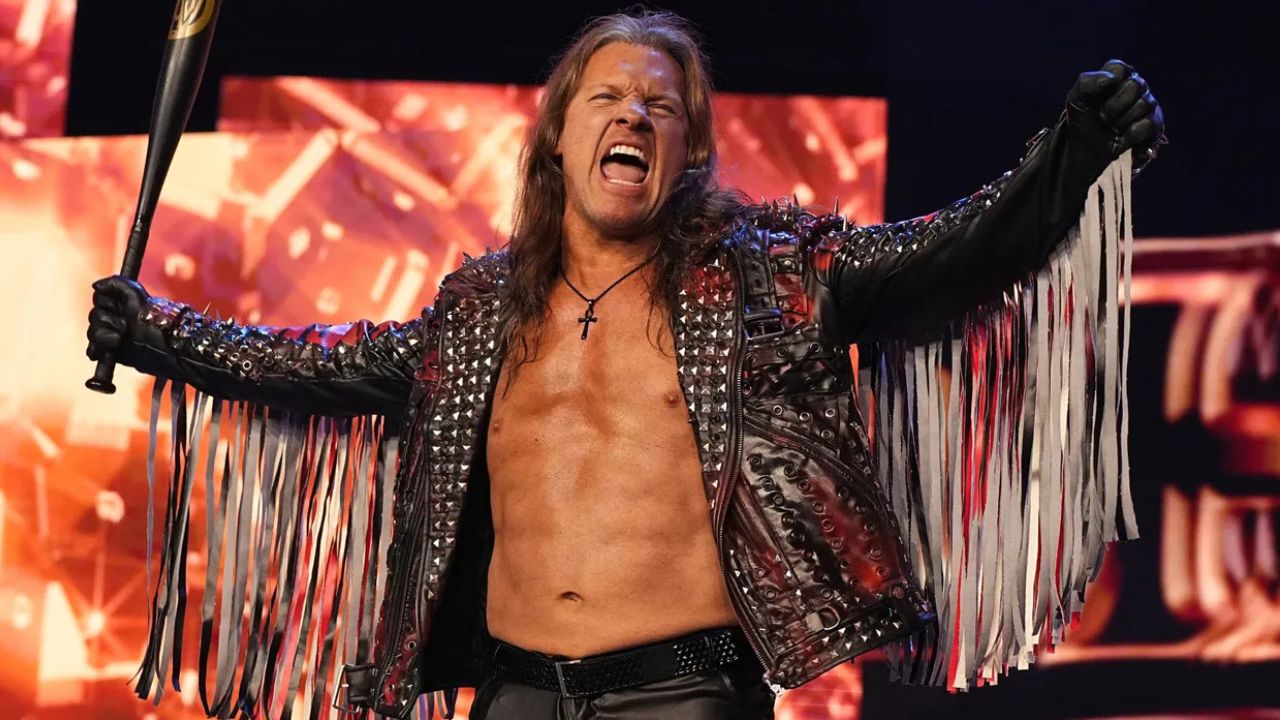
Professional wrestler Chris Jericho recently discussed World Wrestling Entertainment’s (WWE) historical litigation strategy, noting that the organization maintained a policy of avoiding out-of-court settlements in legal disputes. During an episode of his podcast, Talk Is Jericho, the veteran performer suggested that the company viewed the act of settling as a potential risk that could invite further litigation, preferring instead to contest claims within the judicial system.
This long-standing approach highlights the broader legal landscape surrounding professional wrestling, an industry that has frequently faced high-profile lawsuits concerning athlete safety, employment classification, and intellectual property. For decades, the wrestling industry has operated under complex contractual frameworks that have often been tested in federal and state courts, as noted in reports by the United States Department of Justice regarding labor standards and industry oversight.
Understanding WWE’s Approach to Legal Disputes
According to Chris Jericho, the company’s internal philosophy regarding lawsuits was centered on a desire to avoid setting precedents that could encourage a flood of similar claims. By refusing to settle, the organization aimed to signal that it would rigorously defend its business practices in court. This strategy is not uncommon in large, publicly traded corporations, where the financial and reputational implications of legal settlements are weighed against the costs of prolonged litigation.
Legal experts often distinguish between the strategic decision to litigate and the eventual resolution of a case. While a company may express a desire to avoid settlements to deter future plaintiffs, many such cases eventually reach a confidential resolution before a verdict is rendered. Information regarding corporate litigation and legal filings can be tracked via the U.S. Securities and Exchange Commission (SEC) EDGAR database, which provides public access to the periodic reports filed by WWE, including disclosures regarding material legal proceedings.
The Impact of Litigation on Professional Wrestling
The wrestling industry has seen several significant legal challenges over the last twenty years. These range from class-action lawsuits brought by former performers regarding long-term health effects, such as chronic traumatic encephalopathy (CTE), to disputes over independent contractor status. In 2018, a federal judge dismissed a major class-action lawsuit filed by over 50 former wrestlers who alleged that the company failed to protect them from neurological injuries, a decision documented in records from the United States Courts system.

The debate over whether professional wrestlers should be classified as employees or independent contractors remains a central issue in sports labor law. Supporters of the independent contractor model, which has been the industry standard for decades, argue that it provides flexibility for both the performer and the promoter. Conversely, critics argue that this classification deprives athletes of benefits and protections guaranteed under the Fair Labor Standards Act (FLSA), which governs minimum wage, overtime pay, and record-keeping requirements for employees.
Legal Precedents and Industry Evolution
The landscape of professional wrestling has evolved as regulatory scrutiny has increased. As the industry has transitioned into a multibillion-dollar global entertainment enterprise, the pressure to formalize safety protocols and improve performer welfare has grown. This evolution is reflected in the increased transparency required of modern sports entertainment companies under international business regulations.
For fans and observers following these developments, official updates are typically found in corporate annual reports or through court dockets. The shift toward more robust athlete wellness programs, including regular medical screenings and concussion protocols, represents a significant change from the industry standards of the 1980s and 1990s. These changes are often the result of both internal policy shifts and external pressure from legal challenges that forced a re-evaluation of safety standards.
Future Developments and Accountability
As of late 2024, the legal environment for sports entertainment remains active, with various stakeholders continuing to monitor how organizations handle liability and labor disputes. Any significant changes to company policy regarding legal settlements or performer status would likely be disclosed in future SEC filings or through official company statements. Readers interested in the specifics of ongoing litigation can consult the Public Access to Court Electronic Records (PACER) service, which provides comprehensive access to federal appellate, district, and bankruptcy court case and docket information.
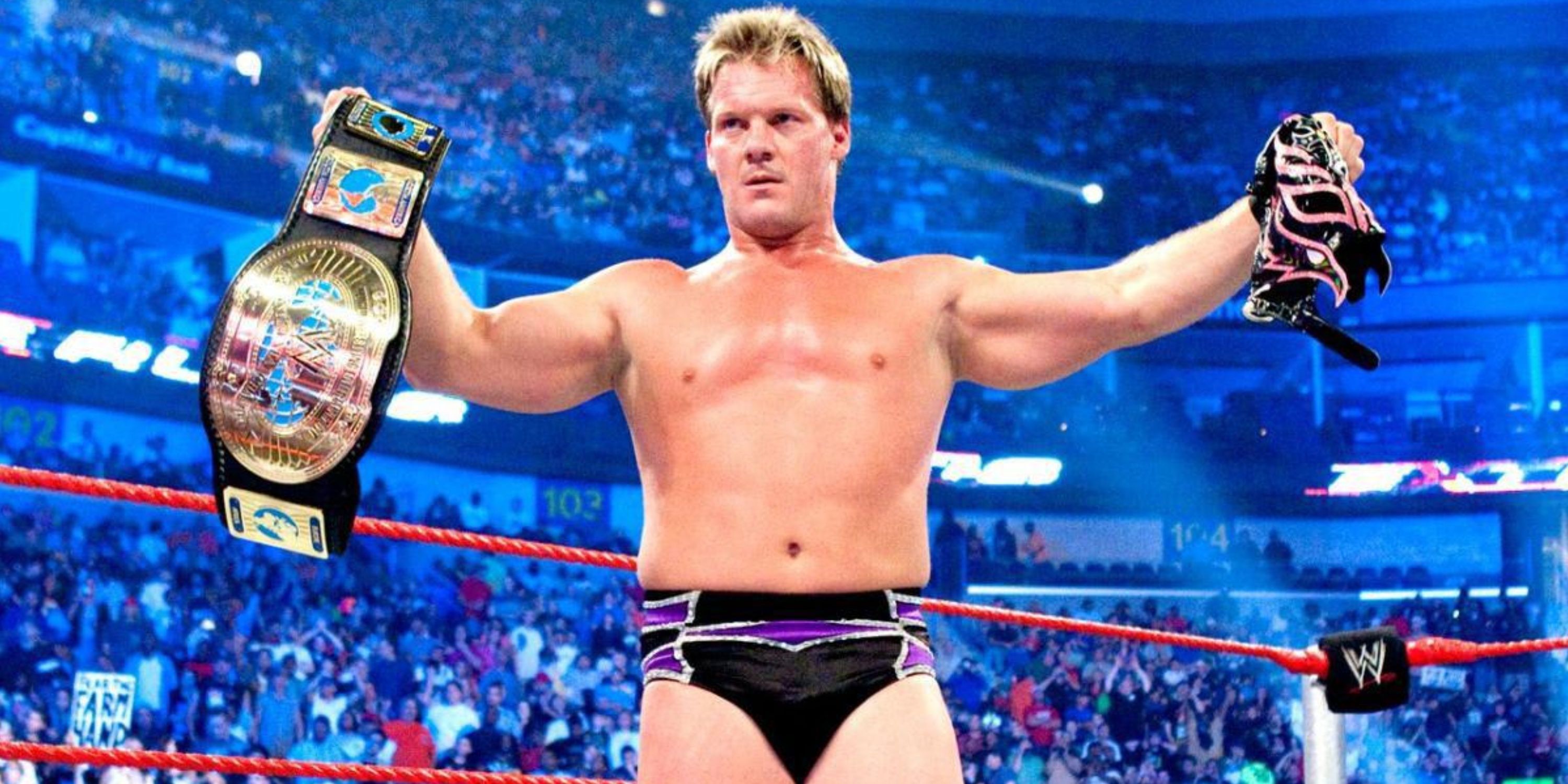
The discourse surrounding Jericho’s comments serves as a reminder of the often-invisible influence of legal strategy on the history of professional wrestling. While performers provide the spectacle in the ring, the operations behind the scenes are governed by rigorous legal frameworks that dictate how the industry manages its most significant challenges. We encourage our readers to continue the conversation in the comments section below and share this analysis with those interested in the business side of sports entertainment.
Keep reading