
Iranian Foreign Minister Abbas Araghchi stated this week that ongoing diplomatic efforts to address tensions in West Asia include a potential agreement involving the cessation of a naval blockade and the establishment of new maritime arrangements in the Strait of Hormuz. Araghchi alleged that certain factions within Israel are actively working to undermine these negotiations between Tehran and the United States, according to reports from Reuters.
The diplomatic overtures, which Araghchi described as a draft deal, arrive amid a period of heightened regional volatility. While the Iranian official characterized the proposal as a pathway toward de-escalation, the claims have not been officially confirmed by the U.S. State Department. The U.S. maintains a policy of not commenting on specific, ongoing sensitive diplomatic communications, as noted by the U.S. Department of State in its standard briefings on regional strategy.
Diplomatic Proposals and Maritime Security
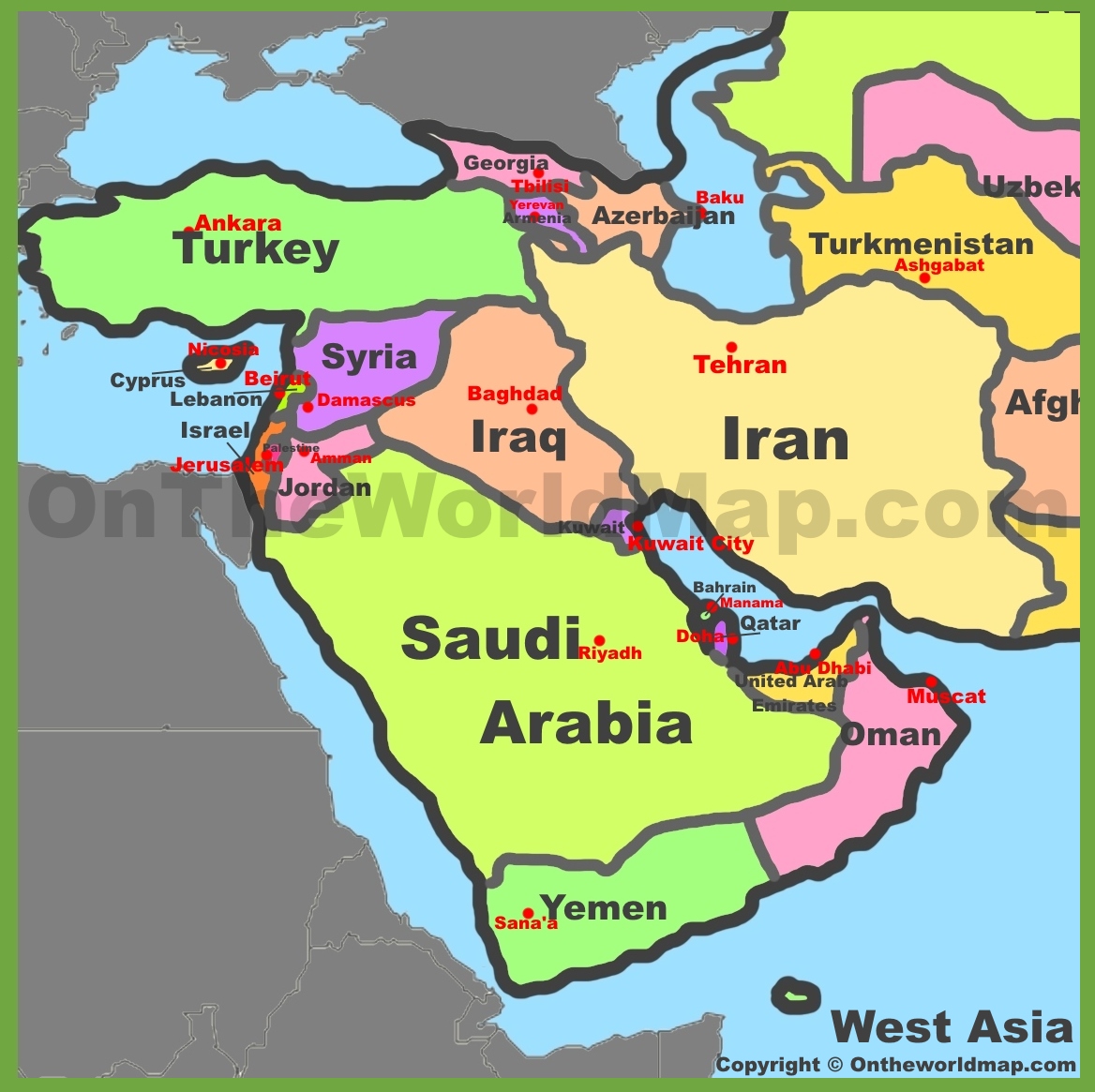
The core of the reported discussion centers on the security of international shipping lanes. The Strait of Hormuz serves as a critical artery for global energy supplies, with roughly 20% of the world’s total petroleum liquids consumption passing through the waterway daily, according to data from the U.S. Energy Information Administration. Iran’s proposal reportedly links the removal of maritime restrictions to broader security guarantees in the region.

Araghchi’s remarks suggest that the draft deal aims to stabilize these transit corridors. However, the international community remains cautious. Previous attempts to formalize maritime security arrangements in the Persian Gulf have faced challenges due to the lack of direct diplomatic ties between Tehran and Washington. The U.S. has historically led the International Maritime Security Construct (IMSC), a coalition focused on monitoring and escorting commercial vessels to ensure safe passage, which the IMSC maintains as a core mission to deter state-sponsored aggression against shipping.
Allegations of Regional Sabotage
In his assessment of the diplomatic climate, Araghchi claimed that Israeli officials are seeking to derail the potential agreement to maintain the status quo or prevent a rapprochement between Iran and Western powers. These allegations are consistent with Iran’s long-standing geopolitical narrative, which frames Israel’s regional security policy as a primary obstacle to Iranian diplomatic integration, as reported by Al Jazeera.
Israel has not issued a formal response to these specific claims regarding the U.S.-Iran draft. Historically, the Israeli government has maintained that any agreement regarding Iran’s maritime or nuclear activities must be comprehensive and enforceable to prevent the expansion of Iranian influence. The Israeli Ministry of Foreign Affairs consistently emphasizes that its security concerns are based on the prevention of regional destabilization and the curbing of militant proxies, according to statements published on the Israeli Ministry of Foreign Affairs official portal.
Context of the West Asia Conflict
The regional situation remains fluid, with multiple stakeholders involved in various mediation efforts. The conflict, which escalated significantly following the events of October 7, 2023, has drawn in several regional actors, leading to increased U.S. naval presence in the Eastern Mediterranean and the Red Sea. The U.S. Department of Defense has repeatedly stated that its deployments are intended to bolster regional deterrence and protect freedom of navigation.
The potential for a diplomatic breakthrough remains speculative. Analysts often point to the complexity of the “linkage” strategy—whereby Iran attempts to connect maritime security to sanctions relief or other economic concessions. Whether the U.S. is prepared to entertain such a proposal remains a point of intense debate among international relations experts in Washington and beyond. The next official updates are expected to emerge from upcoming sessions of the United Nations Security Council, where regional maritime security is a recurring agenda item.
Readers are encouraged to monitor official statements from the U.S. Department of State and the Iranian Ministry of Foreign Affairs for verified updates on these negotiations. This report will be updated as further details become available through official diplomatic channels.
Keep reading