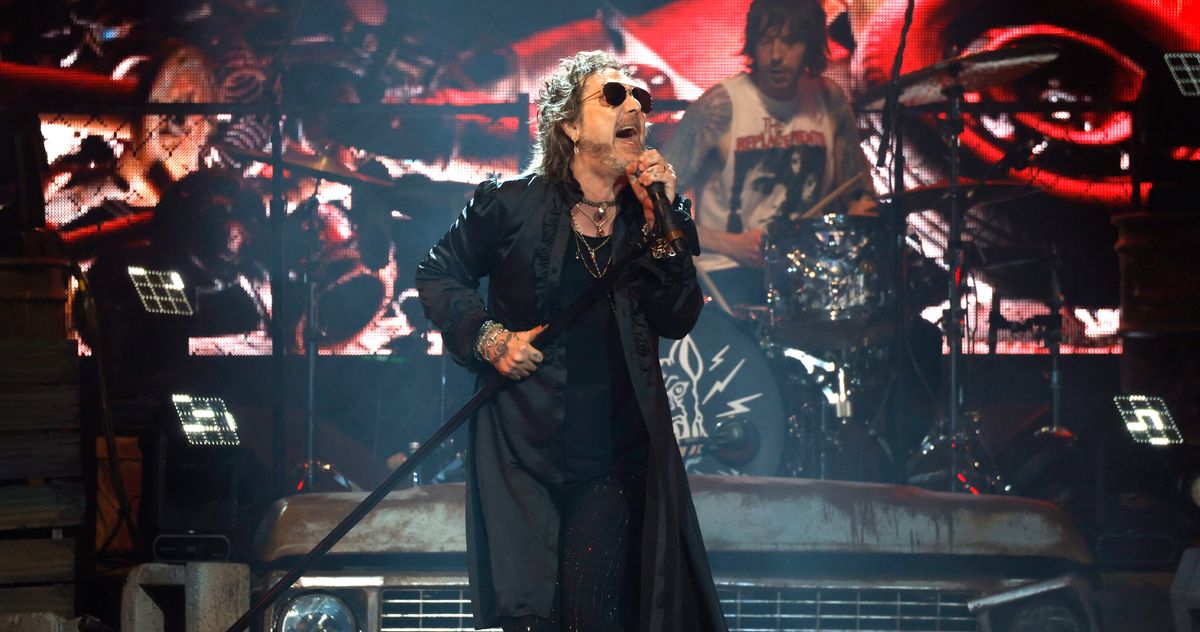
In the world of live music, the relationship between a performer and their audience is often defined by a shared energy. However, that dynamic took an unexpected turn during a recent performance by The Black Crowes. On May 31, 2026, lead singer Chris Robinson found himself at odds with a segment of the concertgoers, leading to a direct confrontation regarding the nature of the crowd’s behavior. For long-time fans of the band, the incident sparked a conversation about the boundaries of expression at live shows and the expectations performers have for their own stages.
The incident centered on a chant of “U.S.A.” erupting from sections of the audience. Rather than allowing the moment to pass, Robinson paused the performance to address the crowd directly. This interaction—where a musician stops a show to challenge the collective voice of those in attendance—highlights a growing trend where the line between artist intent and audience participation becomes increasingly blurred. While live music is intended to be an interactive experience, the friction witnessed on May 31 serves as a stark reminder that the stage remains the artist’s domain.
The Dynamics of Crowd Interaction
Concerts are inherently communal experiences, yet they are also highly structured environments governed by the artist’s vision. When a chant breaks out, it often reflects the specific cultural or political climate of the venue’s location. However, for artists like Robinson, who have spent decades cultivating a specific brand of rock-and-roll ethos, these interruptions can feel disconnected from the music itself. The Black Crowes, known for their bluesy, soul-infused rock, have historically prioritized musical atmosphere over overt political signaling.

When an artist like Robinson decides to admonish the crowd, he is asserting control over the narrative of the evening. What we have is not the first time a performer has grappled with an unruly or disruptive audience, but the specificity of the “U.S.A.” chant underscores a tension that frequently surfaces in American venues. The incident raises a fundamental question for concertgoers: to what extent does the ticket price grant the audience a right to dictate the tone of the show, versus the artist’s right to maintain the integrity of their performance?
Navigating the Stage-Audience Divide
The reaction from the crowd was, predictably, mixed. While some fans supported the singer’s decision to steer the room back toward the music, others felt alienated by the interruption. In the modern era of social media, such moments are rarely contained within the walls of the venue. Clips of the interaction circulated quickly, inviting commentary from across the musical spectrum. This digital afterlife of the event ensures that the impact of the May 31 concert extends far beyond those who were physically present in the arena.
For those interested in the broader context of live performance etiquette, it is helpful to consider how industry standards for artist-audience relations have evolved. According to guidelines often discussed in professional music management circles, performers generally retain the right to manage the environment of their stage to ensure safety and artistic coherence. While fans are the lifeblood of the industry, the artist’s ability to curate the experience remains the defining feature of a live show.
What Happens Next
As The Black Crowes continue their tour, the conversation regarding this incident is likely to persist among their dedicated fanbase. The band has not issued a formal statement regarding the disruption, and it remains to be seen if this will influence how they interact with crowds in future cities. For fans planning to attend upcoming dates, the best approach remains one of mutual respect: enjoying the music as it is presented while allowing the performers the space to execute their vision without unnecessary interference.

We will continue to monitor the band’s tour schedule and any official updates regarding their performances. As live music remains a cornerstone of global entertainment, incidents like this serve as a valuable case study in the evolving social contract between stars and their supporters. We encourage our readers to share their thoughts on the balance of power at live concerts in the comments section below.
Worth a look