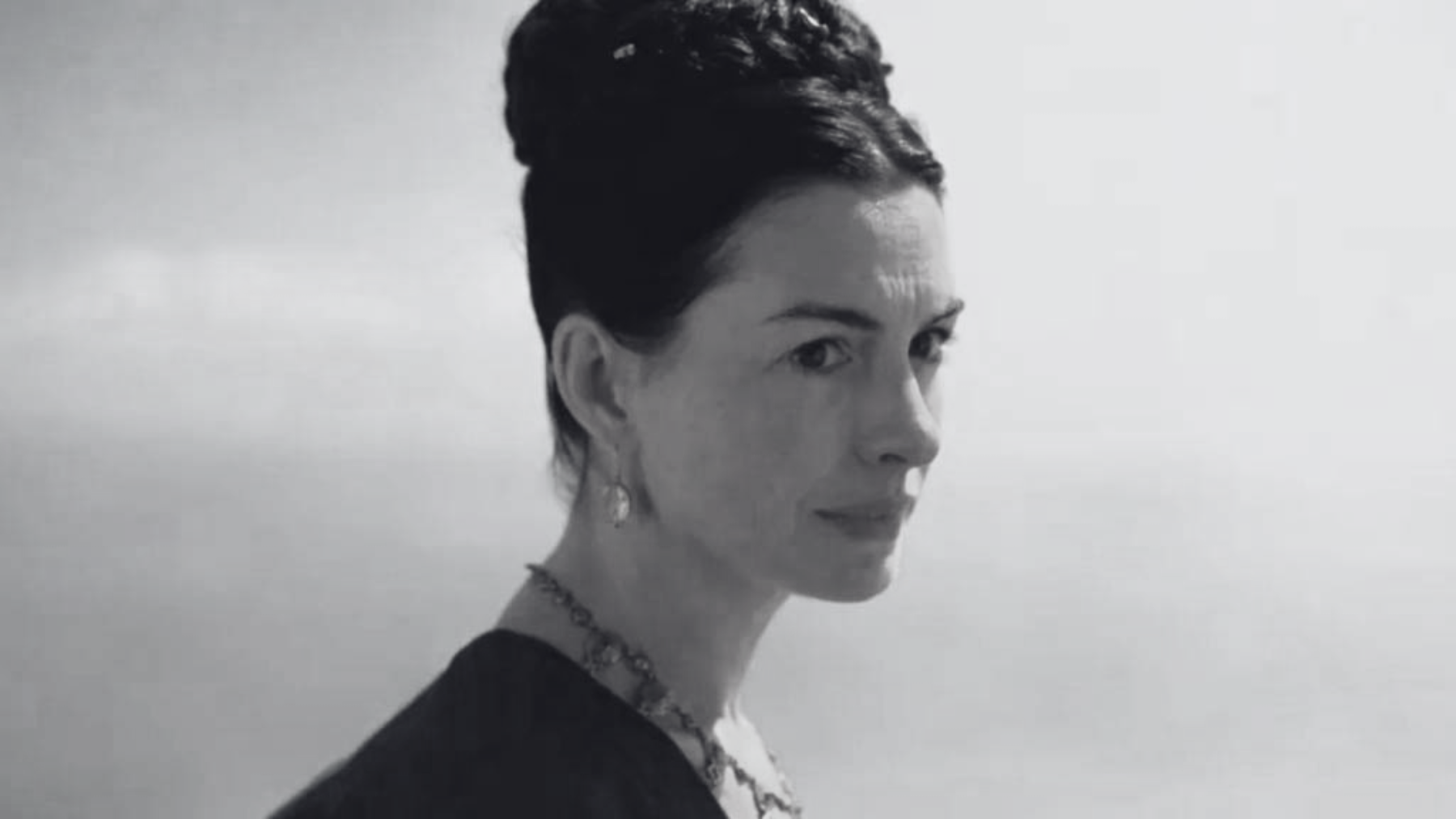
Filmmaker Christopher Nolan has offered a fresh perspective on the enduring nature of love within Homer’s ancient epic, arguing that romantic devotion in the narrative “grows through fidelity.” Nolan’s examination of the classic Greek text touches on central themes of loyalty, patience, and separation that continue to resonate through modern adaptations and literary critiques, according to international cultural coverage.
The timeless appeal of Odysseus’ grueling ten-year journey home to Ithaca remains a cornerstone of Western literature, inspiring continuous debate among translators, historians, and filmmakers alike. While Nolan focuses on the steadfast bond between the Greek hero and his wife Penelope, contemporary scholarship and translation efforts continue to reexamine the poem’s complex treatment of hospitality, isolation, and domestic conflict across the centuries.
Literary Debates and Modern Translations
Recent discourse surrounding the ancient text highlights sharp contrasts in how modern readers and scholars interpret Homeric storytelling. Public discussions and critical reviews have often brought underlying tensions in the text to light, contrasting heroic grandeur with the profound loneliness experienced by characters waiting at home, such as Odysseus on Calypso’s island.
Cultural enthusiasm for the material remains strong across global media. According to reports from cultural outlets such as Milenio, adaptations and theatrical treatments of the Greek classic continue to draw massive audiences, proving that the ancient themes of homecoming and perseverance retain their cultural urgency. Scholars note that the narrative’s exploration of Xenia—the ancient Greek rule of guest-friendship—provides a vital lens through which modern audiences examine historical values of hospitality and social obligation, as detailed in analyses by publications like El Financiero.
Thematic Resonance: Fidelity and Isolation
At the heart of Nolan’s commentary is the psychological depth of the characters. Unlike traditional action-driven narratives, the core tension of the homecoming relies on restraint and psychological endurance. Penelope’s weaving ruse to stave off aggressive suitors in Ithaca runs parallel to Odysseus’ resistance against divine and mortal temptations on his voyage. This mutual commitment serves as the emotional anchor of the epic, setting a precedent for romantic loyalty in literature.
Literary critics examining the protagonist’s solitude point out that Homeric poetry dedicates significant space to internal quiet and grief. As explored in cultural commentary by La Jornada, the hero’s prolonged absence highlights the psychological cost of war and the heavy burden of survival. This isolation contrasts sharply with the vibrant, often perilous hospitality encountered in foreign lands, creating a rich narrative tapestry that invites continuous reinterpretation by contemporary artists and filmmakers.
Next Steps and Cultural Programming
Institutions and cultural centers worldwide continue to host lecture series, theatrical revivals, and translation symposiums examining the epic’s enduring legacy. Readers and enthusiasts seeking official updates on upcoming cinematic adaptations, scholarly publications, and public translation forums can consult announcements from major university presses and international cultural ministries. Public discussions and academic panels scheduled for the upcoming publishing season will provide further insights into how modern directors and translators approach ancient texts.
We welcome your thoughts on how modern cinema adapts classical literature. Please share your perspective in the comments below.
Keep reading
- Inside D4vd’s Jail Routine: Life Behind Bars Awaiting Trial For Celeste Rivas Murder
- Spider-Man to Speak Ukrainian in Belgian Kinepolis Cinemas This Sunday
- Matt Damon Praises Stunt Double Devyn Dalton in ‘The Odyssey (archyde.com)
- Christopher Nolan’s The Odyssey Movie Review & Analysis (archynewsy.com)