
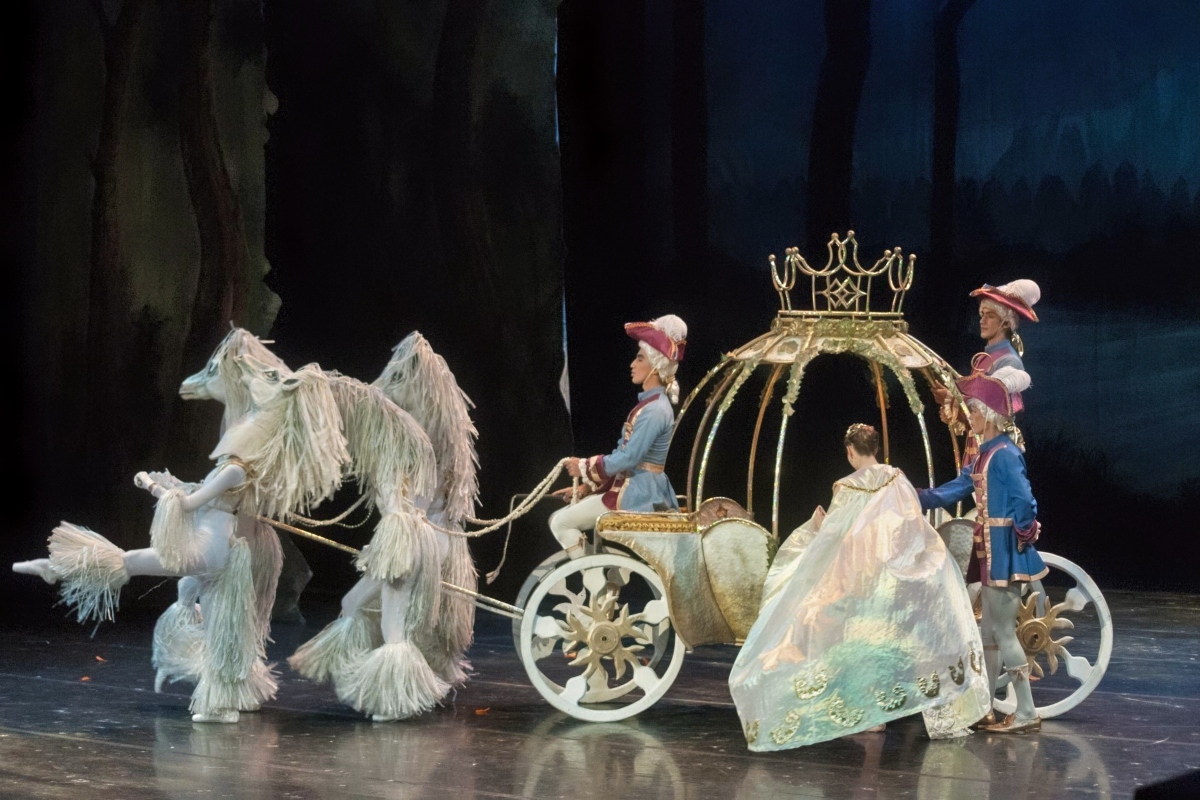
Mexico City is preparing for a sweeping revival of one of the world’s most beloved fairy tales as Cinderella at Palacio de Bellas Artes returns to the stage. This production promises a fusion of athletic precision and orchestral grandeur, bringing a high-scale interpretation of the classic story to the heart of the Mexican capital.
The upcoming performances are designed to be an immersive experience, characterized by a massive ensemble and a full live musical accompaniment. For those accustomed to the disciplined coordination of professional sports, the scale of this production is particularly striking, requiring a level of synchronization and physical endurance that rivals any elite athletic competition.
With tickets starting at a highly accessible price point of $165 MXN, the production aims to democratize access to high art, ensuring that the magic of the ballet is available to a broad spectrum of the public. The event is set to transform the historic venue into a hub of storytelling, blending traditional choreography with the opulent backdrop of one of Latin America’s most significant cultural landmarks.
A Spectacle of Scale and Sound
The sheer magnitude of this production is anchored by a cast of more than 70 dancers, whose collective presence on stage creates a visual tapestry of movement and grace. In the world of professional performance, managing an ensemble of this size requires rigorous editorial precision and choreography, mirroring the complex tactical movements found in championship-level football or Olympic gymnastics.
Adding to the sensory depth of the experience is the inclusion of a live orchestra. The decision to eschew recorded tracks in favor of live musicians ensures a dynamic acoustic environment where the music can breathe and respond to the dancers in real-time. This commitment to live performance elevates the production from a standard theatrical showing to a comprehensive concert event, reinforcing the Palacio de Bellas Artes’ reputation as a premier venue for the performing arts.
The physical demands placed on the performers are immense. Ballet, at this professional level, is as much a feat of strength and cardiovascular endurance as it is an art form. The precision required to execute complex lifts and synchronized sequences with 70 other performers demands a level of training and discipline that is rare outside of professional sports academies.
The Architectural Majesty of Palacio de Bellas Artes
Hosting such a production at the Palacio de Bellas Artes provides a layer of prestige and historical weight that few other venues in the world can offer. The palace is not merely a theater but a symbol of Mexican identity and artistic ambition, known for its stunning Art Nouveau and Art Deco architecture.

The acoustics of the main hall are specifically designed to support the nuances of a live orchestra, making it the ideal setting for a production of this scale. For international visitors and locals alike, the venue itself is often as much of a draw as the performance, offering a glimpse into the opulent design transitions of the early 20th century.
The integration of a classic European tale like Cinderella into this Mexican cultural bastion highlights the universal nature of the story. Whether told through the lens of Greek folklore, French literary tradition, or modern ballet, the themes of resilience and unexpected fortune resonate across borders, fitting perfectly within the cosmopolitan atmosphere of Mexico City.
Making High Art Accessible
One of the most notable aspects of this revival is the pricing strategy. By offering tickets starting at $165 MXN, the organizers are actively lowering the barrier to entry for the performing arts. In many global capitals, a production of this magnitude—featuring a live orchestra and a massive dance troupe—would typically command premium pricing that excludes a significant portion of the population.
This approach to ticketing reflects a broader trend in cultural management to move away from the “elite” perception of ballet and toward a more inclusive community model. By making the event financially accessible, the production encourages younger audiences and those unfamiliar with classical dance to experience the discipline and beauty of the medium.

For those planning to attend, it is recommended to secure tickets through official channels to avoid the volatility of the secondary market. The accessibility of the price point is expected to drive high demand, potentially leading to rapid sell-outs for the most popular dates.
Beyond the ticket price, the production serves as a catalyst for local tourism and cultural engagement. Events at Bellas Artes typically stimulate activity in the surrounding historic center, drawing crowds who contribute to the vibrancy of the city’s artistic ecosystem.
Key Production Highlights
- Ensemble Size: More than 70 professional dancers performing synchronized choreography.
- Musical Accompaniment: A full live orchestra providing real-time musical scoring.
- Entry Cost: Tickets available starting from $165 MXN to ensure public accessibility.
- Venue: Held at the historic Palacio de Bellas Artes in Mexico City.
As the curtain prepares to rise, the return of Cinderella stands as a testament to the enduring power of classical storytelling and the physical brilliance of the human body in motion. It is a production that bridges the gap between the rigorous discipline of athletics and the ethereal beauty of the arts.
The next confirmed checkpoint for interested attendees is the release of the full performance calendar and the opening of the official ticket portal for the remaining 2026 dates. Stay tuned for updates on availability and special matinee performances.
Do you think high-scale productions like this should always prioritize low entry prices to encourage new audiences, or does that risk the sustainability of the arts? Let us know your thoughts in the comments below and share this story with fellow culture enthusiasts.