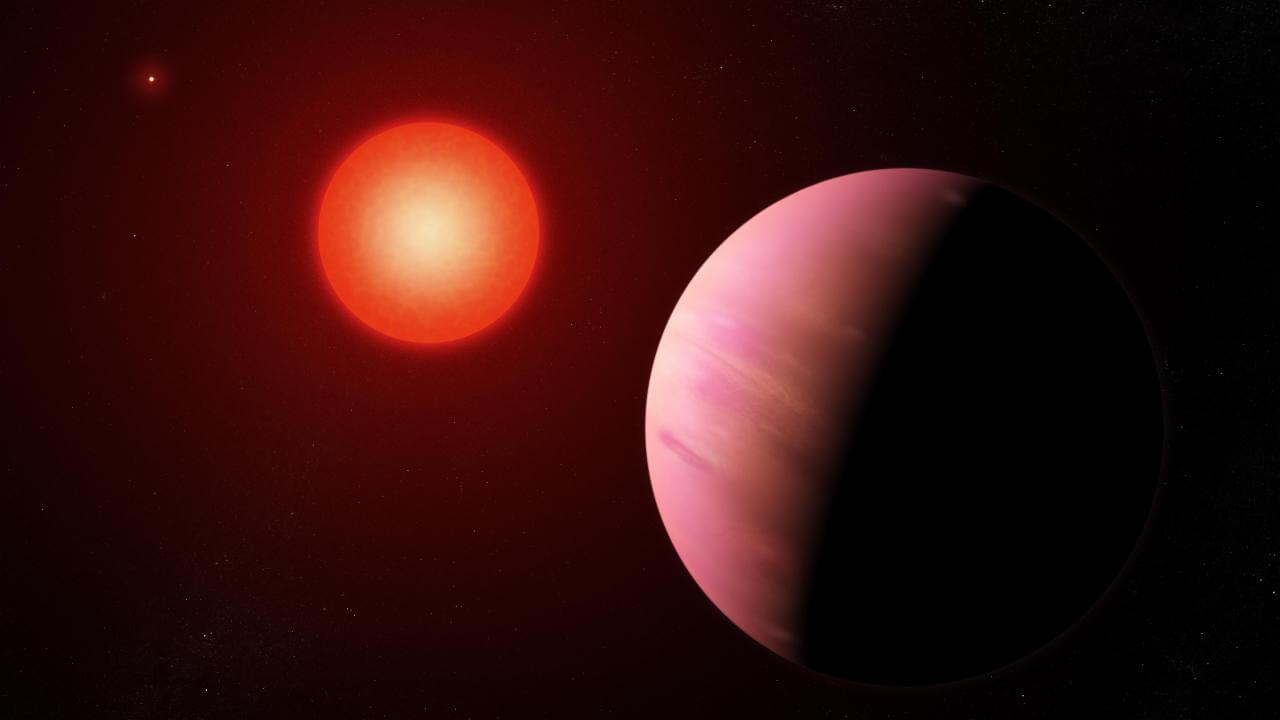
Citizen scientists have confirmed the existence of the exoplanet K2-288Bb after analyzing data from the Kepler Space Telescope. The discovery demonstrates how human observation can supplement automated astronomical surveys to identify planetary candidates that computer algorithms may overlook during the data processing stage.
The identification of K2-288Bb follows a pattern of successful collaborations between professional astronomers and the public through platforms like the Zooniverse project. By scrutinizing light curves—the measurements of a star’s brightness over time—these volunteers identified a recurring dip in light that signaled a planet passing in front of its host star.
This confirmation adds to the growing catalog of planets orbiting small, cool stars, which are considered high-priority targets for future atmospheric studies. Researchers note that the involvement of non-professionals is becoming increasingly vital as the volume of data from space telescopes continues to outpace the capacity of traditional automated pipelines.
How citizen scientists identified K2-288Bb
The discovery of K2-288Bb relied on the transit method, a technique where astronomers look for a periodic decrease in a star’s brightness. When a planet crosses the disk of its star from the perspective of an observer, it blocks a small fraction of the starlight, creating a “transit” signal. While modern software is highly efficient at detecting these signals, the complexity of stellar noise can often mask smaller or more irregular planetary signatures.
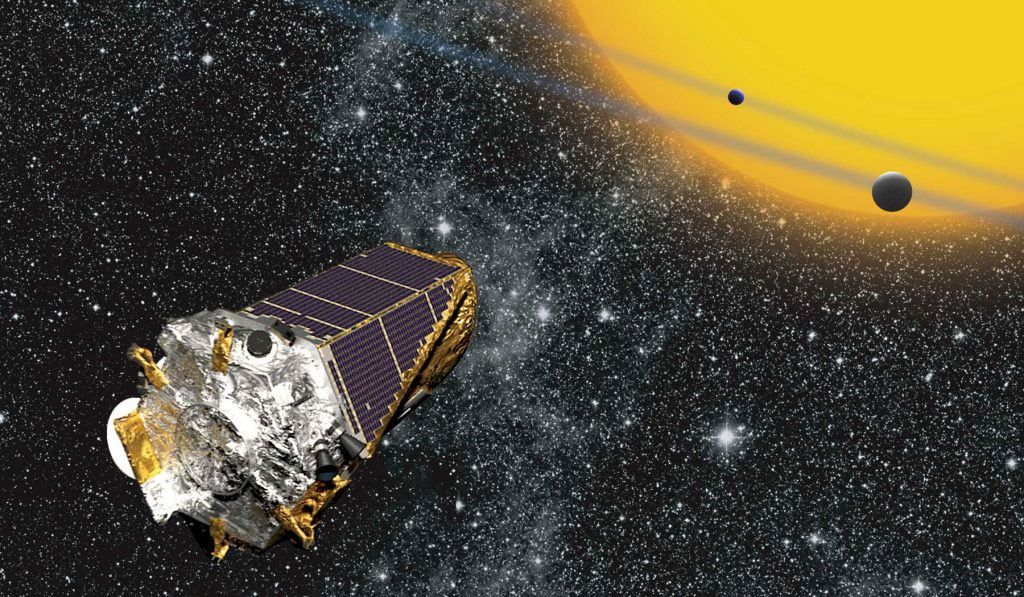
Citizen scientists participating in projects such as Planet Hunters have been trained to recognize these specific patterns. By reviewing light curve data from the Kepler Space Telescope, volunteers can spot subtle dips that automated systems might categorize as instrumental errors or natural stellar fluctuations. In the case of K2-288Bb, the human ability to distinguish between a true transit and “noise” proved decisive.
The data used for this discovery originated from the K2 mission, which was the second phase of the Kepler mission. During this phase, the telescope was re-oriented to observe different parts of the sky, providing a wealth of data on various star systems. The K2 data set remains a primary resource for both professional researchers and trained volunteers seeking to expand our understanding of the galaxy.
Characteristics of the K2-288Bb system
Based on the transit data, K2-288Bb is characterized as a small exoplanet, likely falling into the “sub-Neptune” or “super-Earth” category. These planets are larger than Earth but smaller than Neptune, representing a class of worlds that are common in the galaxy but absent from our own solar system.
The planet orbits a relatively small and cool star, which influences its environment and potential composition. Because the host star is less luminous than our Sun, the “habitable zone”—the region where liquid water could theoretically exist on a planet’s surface—is much closer to the star. However, the specific orbital distance of K2-288Bb determines its temperature and atmospheric stability.
Astronomers use the depth of the transit to estimate the planet’s radius. A deeper dip in light indicates a larger planet relative to its star. Preliminary analysis of the K2-288Bb transit suggests a planet with a radius that places it firmly within the transition zone between rocky worlds and gas-rich sub-Neptunes.
The impact of public participation in modern astronomy
The confirmation of K2-288Bb highlights a shift in how astronomical discoveries are made. Historically, space exploration was the exclusive domain of government agencies and large academic institutions. Today, the “crowdsourcing” of data analysis has turned the global public into a massive, distributed research laboratory.

This model provides several key advantages to the scientific community:
- Increased Discovery Rates: Human eyes are often better at pattern recognition in “messy” data than current machine learning models, which can be overly sensitive to specific, pre-defined shapes.
- Cost-Effective Data Processing: Utilizing volunteer labor allows space agencies to process massive datasets without the astronomical costs associated with hiring thousands of specialized analysts.
- Public Engagement: Citizen science fosters a global interest in STEM (Science, Technology, Engineering, and Mathematics) by allowing individuals to contribute to real, peer-reviewed scientific findings.
While artificial intelligence and machine learning are rapidly improving, they still struggle with “edge cases”—signals that are unusual or don’t perfectly match the training data. Citizen scientists excel in these scenarios, providing a necessary check on automated systems and finding the “anomalies” that often lead to the most significant breakthroughs.
What comes next for K2-288Bb
With the existence of K2-288Bb now confirmed, the next phase of research will likely focus on atmospheric characterization. Astronomers are eager to determine if the planet possesses an atmosphere and, if so, what its chemical composition might be.

Future observations may require more powerful instruments, such as the James Webb Space Telescope (JWST). By using transmission spectroscopy—analyzing the starlight that filters through a planet’s atmosphere during a transit—scientists can identify the presence of water vapor, carbon dioxide, methane, or other key molecules. Such data would provide deeper insight into the planet’s formation and its potential to support life.
Additionally, follow-up ground-based observations will aim to refine the planet’s mass and orbital parameters. Determining the mass is essential for calculating the planet’s density, which tells scientists whether K2-288Bb is a rocky world like Earth or a gas-dominated world like Neptune.
Key Takeaways
- Discovery Method: K2-288Bb was identified via the transit method using Kepler Space Telescope data.
- Role of Volunteers: Citizen scientists played a critical role in confirming the signal that automated algorithms missed.
- Planet Type: The planet is believed to be a sub-Neptune or super-Earth orbiting a small, cool star.
- Future Goals: Researchers aim to use advanced telescopes to study the planet’s atmosphere and density.
The next scheduled checkpoint for this system involves peer-reviewed publication of the full orbital and physical characteristics, which will provide the foundational data for future spectroscopic studies.
What are your thoughts on the role of citizen science in space exploration? Do you believe AI will eventually replace human observers, or will the two always need to work together? Let us know in the comments and share this article with your fellow space enthusiasts.
Keep reading