.jpg?ip/crop/w1200h700/q80/jpg)
While the appearance of new moles on the skin often causes concern, the emergence of multiple moles is not inherently a sign of skin cancer. According to the American Cancer Society, most moles are benign, though individuals should monitor their skin for changes in shape, size, or color, as these can be early indicators of melanoma. Early detection remains the most effective strategy for managing skin health, as clinical outcomes significantly improve when irregularities are identified before the disease spreads.
Understanding Moles and Risk Factors
Moles, medically known as nevi, are common skin growths that occur when melanocytes—the cells that produce pigment—cluster together. Most adults have between 10 and 40 moles, which typically develop during childhood and adolescence. While the number of moles can increase due to genetic factors or sun exposure, the development of new moles in adulthood warrants a professional dermatological evaluation. The American Academy of Dermatology emphasizes that individuals with a high number of moles, particularly those with atypical or “dysplastic” nevi, face a higher statistical risk for developing melanoma.
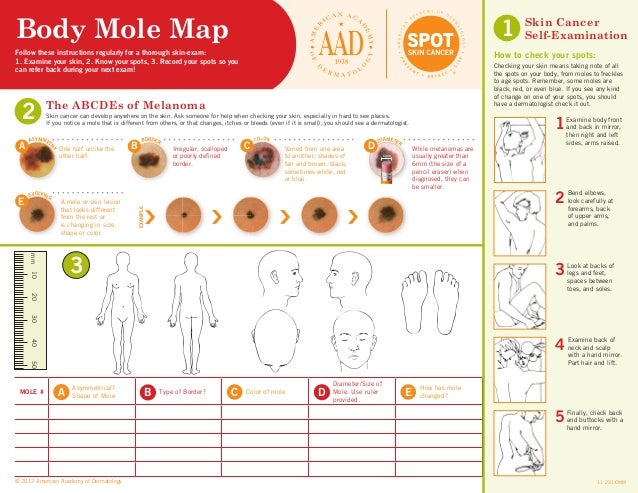
The ABCDE Rule for Monitoring Skin Changes
Dermatologists often recommend the ABCDE guide to help patients distinguish between common moles and potential malignant melanoma. This framework is a standard tool for clinical self-examination:
- Asymmetry: One half of the mole does not match the other half.
- Border: The edges are irregular, ragged, notched, or blurred.
- Color: The color is not uniform and may include shades of brown or black, sometimes with patches of pink, red, white, or blue.
- Diameter: The spot is larger than 6 millimeters across (about the size of a pencil eraser), though melanomas can sometimes be smaller.
- Evolving: The mole is changing in size, shape, or color, or begins to bleed, itch, or crust.
If any of these signs appear, consultation with a board-certified dermatologist is the required next step for a definitive diagnosis, often involving a skin biopsy or dermoscopy, as noted by the National Cancer Institute.
Why Early Detection Matters
Skin cancer, including melanoma, is highly treatable when caught in its early stages. Research indicates that when melanoma is detected early, the five-year survival rate is significantly higher than when the cancer has metastasized to distant organs. Beyond monitoring existing moles, protective measures such as the daily use of broad-spectrum sunscreen with an SPF of at least 30, wearing protective clothing, and avoiding peak ultraviolet (UV) radiation hours are essential practices for long-term dermatological health. According to the World Health Organization, UV exposure is the primary environmental risk factor for skin cancer, making sun safety a critical component of prevention.
:max_bytes(150000):strip_icc()/VWH-EVERGREEN-HowtoTelltheDifferenceBetweenSkinCancerandaMole-1-ca400e9341094d639f947de69d711952.png "Why Early Detection Matters")
When to Seek Professional Medical Advice
Patients are encouraged to maintain a regular skin-check schedule, especially those with a family history of skin cancer or a personal history of severe sunburns. A professional skin exam provides a baseline for tracking changes over time. If a new growth appears that does not heal, or if an existing mole undergoes a rapid change in appearance, seeking a medical evaluation is necessary. Diagnostic technology has advanced significantly, and modern dermatological clinics utilize high-resolution digital imaging to monitor suspicious lesions over time, allowing for more precise intervention if changes occur.
For those seeking further guidance on skin health, the Skin Cancer Foundation provides detailed resources on how to perform a thorough head-to-toe self-examination. Regular monitoring and professional screenings are the most reliable methods for maintaining skin health. If you have concerns about changes to your skin, schedule an appointment with a local dermatologist to establish a personalized screening plan.
Keep reading