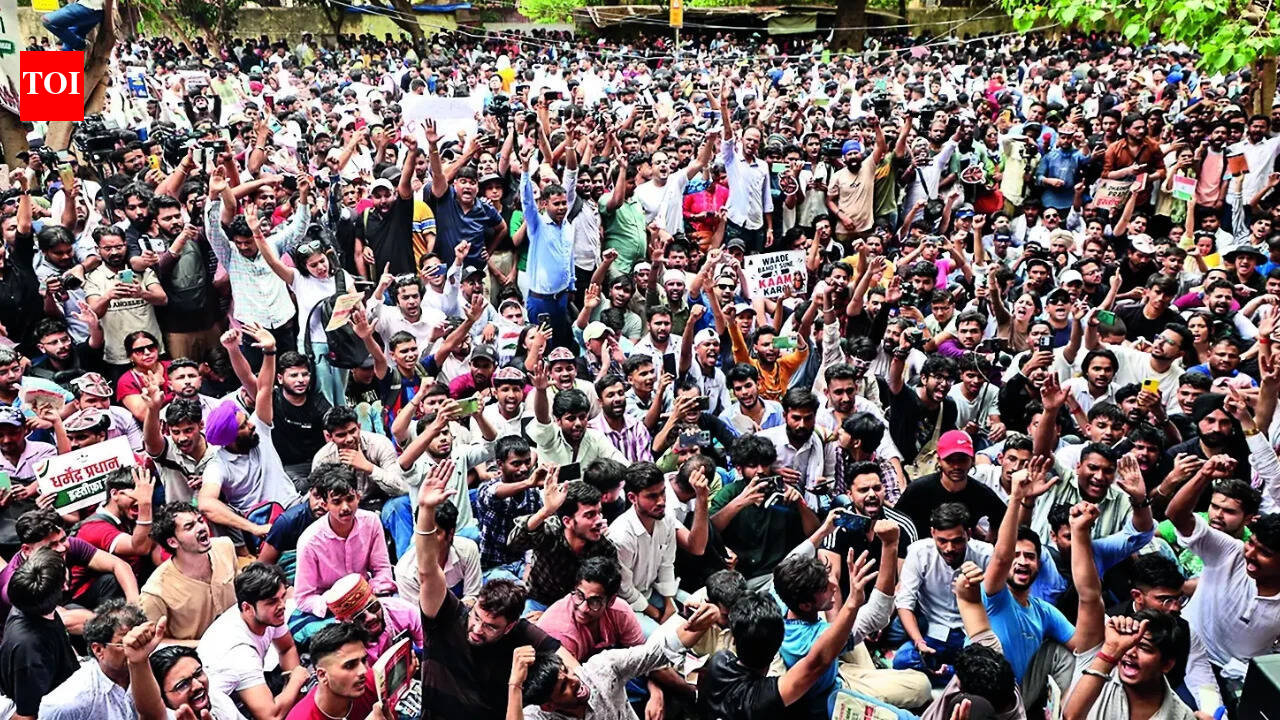
The Cockroach Janta Party (CJP), a self-described satirical political movement, has emerged as a significant digital and physical force in India, drawing thousands of supporters to Jantar Mantar for its first major public demonstration. Founded on May 16, 2026, by political communications strategist Abhijeet Dipke, the movement gained rapid momentum following remarks made by Chief Justice of India Surya Kant on May 15, 2026, which compared certain activists and unemployed youth to “cockroaches” and “parasites of society.”
The movement, which remains unregistered with the Election Commission of India, positions itself as a platform for young Indians who feel alienated from traditional political discourse. According to its founding leadership, the CJP aims to address issues of unemployment and social inequality through satire and organized protests, often utilizing the imagery of the cockroach to reclaim the derogatory label used by the Chief Justice.
The Origins of the Movement
The genesis of the Cockroach Janta Party is tied directly to the judicial proceedings in the Supreme Court of India. On May 15, 2026, during a hearing concerning the verification of professional credentials and institutional criticism, Chief Justice Surya Kant utilized an analogy that sparked immediate national debate. The characterization of confrontational youth and activists as “cockroaches” and “parasites” served as the catalyst for the movement’s formation just one day later.
Abhijeet Dipke, who previously served as a strategist for the Aam Aadmi Party, launched the CJP as a direct response to these comments. By adopting the name—a play on the acronym of the ruling Bharatiya Janata Party—the group quickly transitioned from an online phenomenon to a physical presence in public spaces like Jantar Mantar. The movement’s aesthetic is intentionally provocative, with participants often appearing at rallies and clean-up drives dressed in cockroach costumes to highlight their core message of being the “voice of the lazy and unemployed.”
Digital Growth and Social Reach
The growth of the CJP has been primarily driven by its digital footprint. Within its first few weeks, the movement recorded over 350,000 sign-ups and amassed a following exceeding 20 million on Instagram. The platform functions as a space for the “chronically online,” effectively mobilizing a demographic that often remains outside the reach of mainstream political organizing.
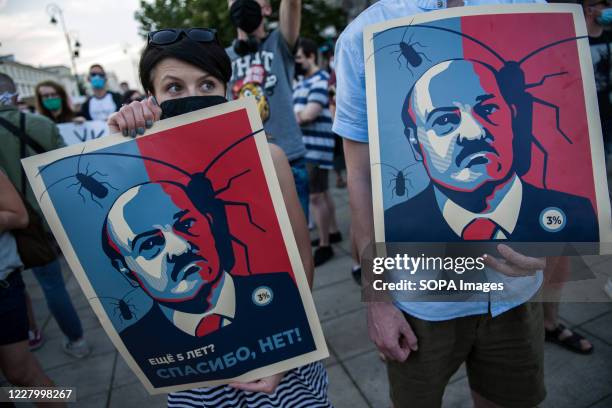
The movement’s official digital channels emphasize five core demands, including the cancellation of Rajya Sabha seats for retired Chief Justices, the implementation of 50% women’s reservation in Parliament, and the use of UAPA (Unlawful Activities Prevention Act) prosecution for instances of vote deletion. While these demands are presented with a satirical edge, they reflect a broader critique of existing governance structures in India.
A political front of the youth, by the youth, for the youth. Founding President @abhijeetdipke
The Protest at Jantar Mantar
The gathering at Jantar Mantar marks the first time the CJP has successfully transitioned its massive online following into an offline protest. Jantar Mantar, a historic site in Delhi known for decades of political activism and public dissent, provided the venue for thousands of volunteers to gather. The protest featured typical agitational tactics, including speeches and public displays, intended to force a conversation on the dignity of unemployed youth and the conduct of judicial officials.
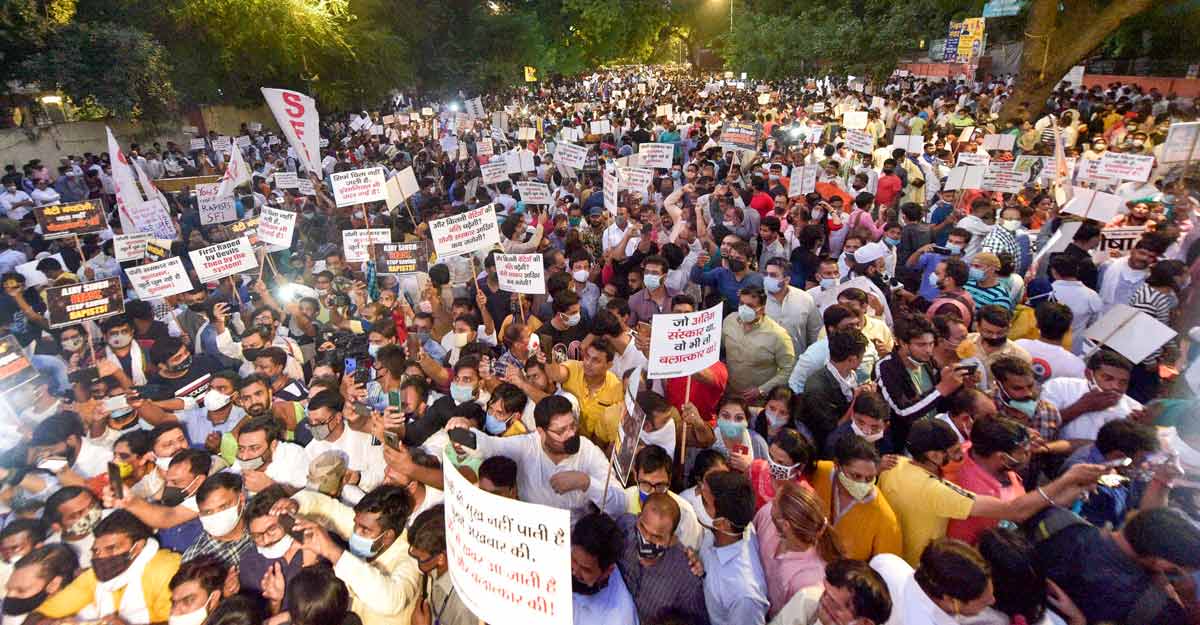
Despite the high turnout, the movement maintains a status of being “not registered” as a formal political party. This lack of official recognition from the Election Commission of India allows the CJP to maintain its satirical and protest-oriented identity without the regulatory burdens associated with contesting elections. The organization continues to frame itself as a “platform” rather than a traditional political party, focusing on building a collective identity among its followers rather than seeking legislative power through conventional means.
What Happens Next
As the CJP continues to grow, the movement faces the challenge of sustaining its momentum beyond the initial wave of public outrage. The group’s leadership has indicated that their focus remains on challenging the systemic issues affecting Indian youth, including economic stagnation and the lack of political representation. The next major checkpoint for the movement involves its ongoing public outreach and the potential for further protests should the national discourse surrounding the “cockroach” analogy fail to address their specific demands.
For those interested in the group’s official updates or future protest schedules, the movement directs its supporters to its web portal and verified social media accounts. Observers of Indian politics will be monitoring whether this satirical movement can evolve into a lasting social force or if its influence will remain confined to the digital sphere. We invite our readers to share their thoughts on the role of satire in modern political movements in the comments section below.
Keep reading