The Shifting Sands of Celebrity Activism: Why More Stars Are Choosing to ‘shut Up’
A noticeable trend is emerging in Hollywood: a retreat from outspoken political commentary. Once quick to voice opinions, several prominent actors are now opting for a quieter approach, focusing rather on their craft. This shift raises questions about the effectiveness of celebrity activism and the potential for backlash.
From Blistering Criticism to Measured Silence
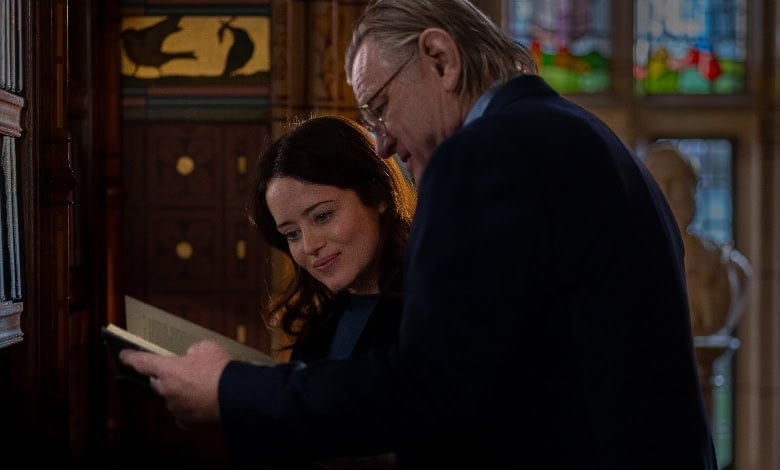
Remember Claire Foy‘s fiery remarks? The ”Crown” star once didn’t hold back, publicly criticizing figures like Brett Kavanaugh and even former President Donald Trump with pointed language. Though, as she promotes her new film, “H Is for Hawk,” Foy’s tune has dramatically changed.
Now, she advocates for a more restrained approach. “What I believe…is constantly in flux,” Foy recently stated, adding, “If you’re just making noise for the sake of it, then you should probably shut up – so I tend to shut up.”
This isn’t an isolated incident.
A Growing Chorus of Caution
Foy isn’t alone in her evolving perspective. Billy bob Thornton, the star of “Landman,” recently voiced similar frustrations with the politicization of awards shows. He argued that celebrities should use their wealth to enact change directly,rather than leveraging their platform for speeches.
“Don’t go up there and talk about saving the badgers in Wisconsin,” Thornton advised, suggesting that substantial financial contributions are a more effective form of activism. “If you have a billion dollars, and you want to save the badgers, f-ing save them.”
Why the Change of Heart?
Several factors likely contribute to this shift.
* Backlash and Polarization: The current political climate is deeply polarized. Celebrities who take strong stances often face intense criticism and potential boycotts, impacting their careers.
* Diminishing Influence: Recent observations suggest celebrity endorsements may no longer sway public opinion as they once did. In some cases, they can even backfire, strengthening opposition.
* Focus on Craft: Many actors, like Foy, are realizing that their primary role is to entertain and tell stories. They prefer to let their work speak for itself, rather than becoming political mouthpieces.
* Toxic Culture: Injecting politics into entertainment can create a toxic environment, diverting attention from the art itself.
The Limits of Celebrity Activism
You might be wondering if celebrity activism is losing its power. While well-intentioned, relying on famous faces to drive political change has inherent limitations.
* Lack of Expertise: Celebrities aren’t necessarily experts on the complex issues they address. Their opinions, while valid, may lack the nuance and depth of those with specialized knowledge.
* Perception of authenticity: Audiences are increasingly skeptical of performative activism. They want to see genuine commitment, not just a fleeting endorsement.
* Distraction from Real Action: Focusing on celebrity opinions can overshadow the work of grassroots organizations and activists who are actively working for change.
A Return to Professionalism?
This trend could signal a broader return to professionalism within the entertainment industry. More stars are recognizing that their influence is best leveraged through their art, rather than through political pronouncements.
It’s a pragmatic approach, acknowledging the limitations of celebrity activism and the potential for negative consequences. As Claire Foy suggests, sometimes the most impactful thing you can do is simply ”shut up” and focus on your craft.
Ultimately, this shift isn’t about abandoning values. It’s about finding more effective and sustainable ways to contribute to a better world – and recognizing that, for many, that contribution lies in the stories they tell.
Related reading
- La Casa de los Famosos México 2026: Premiere, Room Assignments, and First Nominee Revealed
- The K Automation Job Report: Expert Mentoring & Tips to Get Hired
- Trump Ordina Pausa Negli Attacchi Stati Unitesi contro l’Iran (archynewsy.com)
- Juan Orlando Hernández Returns to Honduras Following Trump Presidential Pardon (time.news)