
Clairemont’s Future: A Deep Dive into San Diego‘s 20,000-Home Expansion Plan
Clairemont,a well-established San diego neighborhood,is poised for significant change. A recently approved growth blueprint by a city council planning group outlines a vision for nearly 20,000 new homes over the next three decades, potentially adding 40,000 residents to the community. This ambitious plan isn’t simply about increasing housing density; it’s a comprehensive strategy to address San Diego’s growing population while enhancing the quality of life for current and future residents. This article provides an in-depth look at the proposed changes, the rationale behind them, community reactions, and what this means for the future of Clairemont.
Addressing San diego’s Housing Crisis: Why Clairemont?
San Diego, like many Californian cities, faces a persistent housing shortage.Demand consistently outstrips supply, driving up costs and creating challenges for residents across all income levels. Councilmember Vivian Moreno succinctly stated the urgency: “There is a very great need to build more homes in San Diego.” This need is especially acute as the city’s population continues to grow, placing strain on existing infrastructure and resources.
The Clairemont plan represents a proactive approach to tackling this crisis. The current community plan, last updated in 1989, is considerably outdated. As Councilmember Kent Lee pointed out, “This is a document that has not been updated since 1989 and as we know, much has changed in these neighborhoods in the last 36 years.” A modernized plan is crucial to guide responsible growth and ensure Clairemont can accommodate future needs.
The Core of the Plan: Mixed-Use Villages and Enhanced Infrastructure
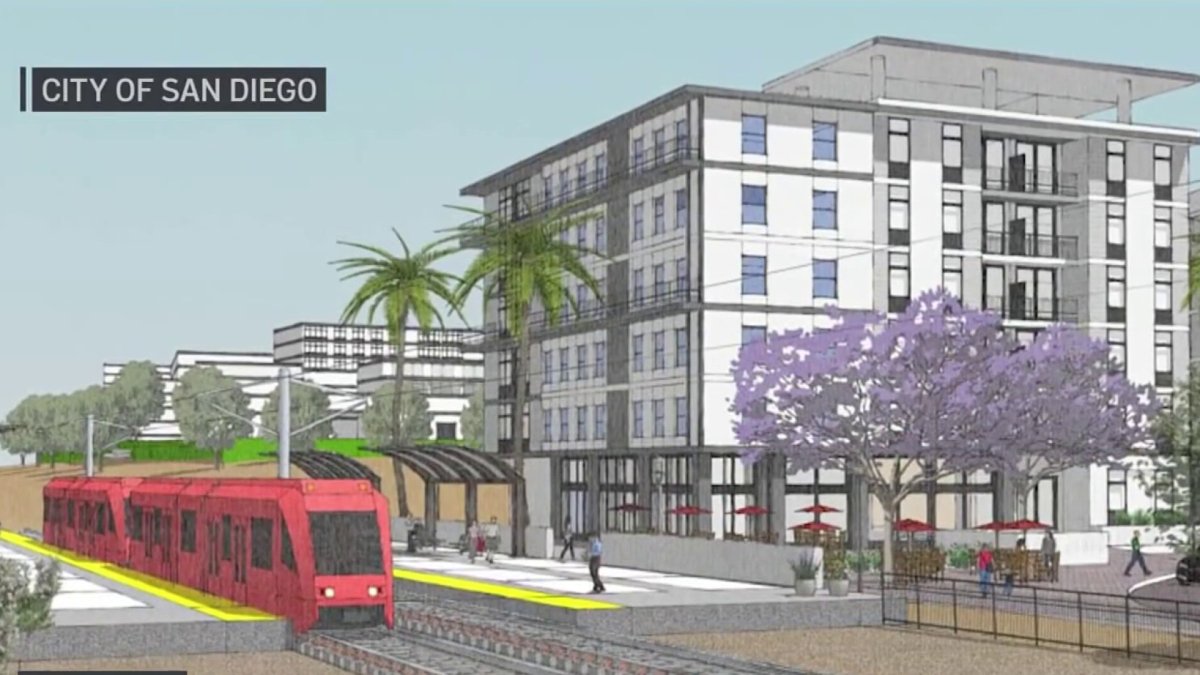
The proposed plan focuses on strategic growth, prioritizing mixed-use developments and leveraging existing infrastructure. A significant portion of the new housing will be integrated into existing shopping center areas, creating vibrant “villages” that combine residential, commercial, and recreational spaces. The Tecolote Gateway Village, planned near the Tecolote Road transit station, exemplifies this approach, promising a walkable, transit-oriented community.
However, the plan extends far beyond simply adding housing units. It includes substantial investments in infrastructure to support the growing population:
* Parks & Recreation: 14 new parks are planned, addressing a recognized need for more green spaces and recreational opportunities.
* Public Safety: A new fire station will bolster emergency response capabilities.
* Community Facilities: New recreation centers will provide vital community resources.
* Transportation: A new trolley station and expanded bike networks aim to improve connectivity and reduce reliance on personal vehicles.
* Building Height Adjustments: Strategic reductions in building height limits in certain areas are also part of the plan, aiming for a balanced approach to density.
Community Response: A Mix of Optimism and Concern
Unsurprisingly, the proposed plan has elicited a range of reactions from Clairemont residents. While many acknowledge the need for more housing, concerns about congestion, parking, and maintaining the neighborhood’s character are prevalent.
Deborah Crossing, a long-time resident, expressed support for the plan’s focus on affordability and park advancement. “I think that that’s great because to many places are going higher income… I think the park idea, the parks would be really great because kids need a place to go and play now.” This sentiment highlights the desire to maintain Clairemont’s appeal as a middle-class community with ample amenities.
However, others voiced concerns about the potential impact on quality of life. JR Taylor highlighted parking challenges, stating, “They’re going to have to park in the shopping center parking lots, and that’s ridiculous.” This concern reflects a broader anxiety about increased traffic and strain on existing infrastructure.Many residents, like Crossing, emphasized the importance of preserving the existing community feel, stating, “It congests everything and it makes it harder for the people who are already living here.”
A Decade of Planning: Community Input and Collaboration
The current proposal isn’t the result of overnight decision-making. The City Planning Department initiated this update in 2016,undertaking a comprehensive community engagement process.Over 32 public meetings and workshops were held to gather input from residents,businesses,and stakeholders. This extensive consultation demonstrates a commitment to incorporating community perspectives into the final plan.
What’s Next? The Path to Implementation
The plan now moves forward for a vote by the full city council next month. If approved, the implementation process will begin, involving detailed planning, environmental reviews, and ongoing community engagement.


