
As the logistics sector across Central Europe continues to evolve, the demand for qualified transport professionals in industrial hubs remains a critical driver of regional economic health. For those seeking a Kraftfahrer mit C Führerschein im Raum Linz, the current labor market offers a unique intersection of high demand and evolving regulatory standards. Linz, as a major industrial center in Upper Austria, serves as a vital logistics node, connecting transit routes between Germany, the Czech Republic, and the wider Austrian interior.
Navigating the professional landscape for heavy goods vehicle (HGV) operators requires more than just technical skill; it necessitates a comprehensive understanding of the legal frameworks governing road transport in the European Union. In Austria, the licensing requirements for Class C drivers are strictly regulated to ensure road safety and operational efficiency. According to the Austrian Federal Ministry for Climate Action, Environment, Energy, Mobility, Innovation and Technology, drivers must adhere to specific age requirements and periodic training mandates, known as the C95 qualification, to maintain their professional status within the transport industry.
Understanding the Professional Requirements for HGV Drivers
The role of a professional driver in the Linz metropolitan area involves significant responsibility, particularly when operating within the textile service or industrial logistics sectors. Companies operating in these fields often require drivers to manage more than just the transport of goods; they are frequently the face of the company during client deliveries. The Class C license, which permits the operation of heavy vehicles over 3,500 kilograms, is the baseline for these roles. However, employers in the region increasingly prioritize candidates who possess valid C95 certifications, which are mandatory for commercial driving under the EU Directive 2003/59/EG.
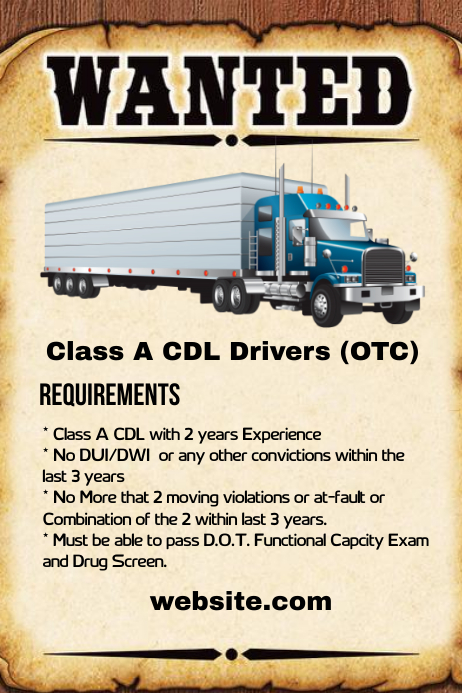
When evaluating potential roles, it is essential for applicants to understand the regulatory environment. The European Parliament and Council directive established the initial qualification and periodic training for drivers of certain road vehicles for the carriage of goods or passengers. This ensures that safety standards remain consistent across the continent, a factor that has become increasingly important as supply chains become more integrated. For a driver based in Linz, this means that professional development is not merely an advantage but a legal necessity for long-term career stability.
The Industrial Significance of the Linz Logistics Corridor
Linz occupies a strategic position along the Danube, making it a cornerstone for logistics and supply chain management in Upper Austria. The city is home to significant port facilities and is integrated into the Trans-European Transport Network (TEN-T), specifically along the Rhine-Danube corridor. This infrastructure necessitates a constant flow of skilled labor to manage the movement of goods, ranging from raw materials to specialized textile services.

For professionals looking to build a career in this sector, the focus should be on companies that prioritize driver welfare and operational transparency. The textile service industry, in particular, requires a high level of reliability, as these businesses often operate on tight delivery schedules to support the hospitality and healthcare sectors. Researching potential employers through official channels, such as the Austrian Economic Chambers (WKO), can provide valuable insights into the reputation and labor practices of companies currently hiring in the Upper Austrian region.
Key Considerations for Job Seekers
- Licensing Validity: Ensure that your Class C license is current and that your C95 qualification is up-to-date with the latest training modules.
- Regional Knowledge: Familiarity with the specific traffic regulations and transit routes within the Linz municipal area and surrounding industrial zones is highly valued by employers.
- Compliance and Safety: A clean driving record and a commitment to adhering to mandated rest periods—governed by EU regulation on driving times—are non-negotiable for reputable logistics firms.
- Professional Communication: As many logistics roles involve direct interaction with clients, proficiency in German is typically required for effective communication, and documentation.
Navigating the Hiring Process
When applying for positions requiring a Class C license in Linz, candidates should be prepared to demonstrate their knowledge of load securing and vehicle maintenance. Many companies in the textile service sector utilize specialized vehicles that require specific handling techniques. During the interview process, it is standard for employers to inquire about the candidate’s experience with route planning software and their ability to handle documentation, such as digital tachograph records.
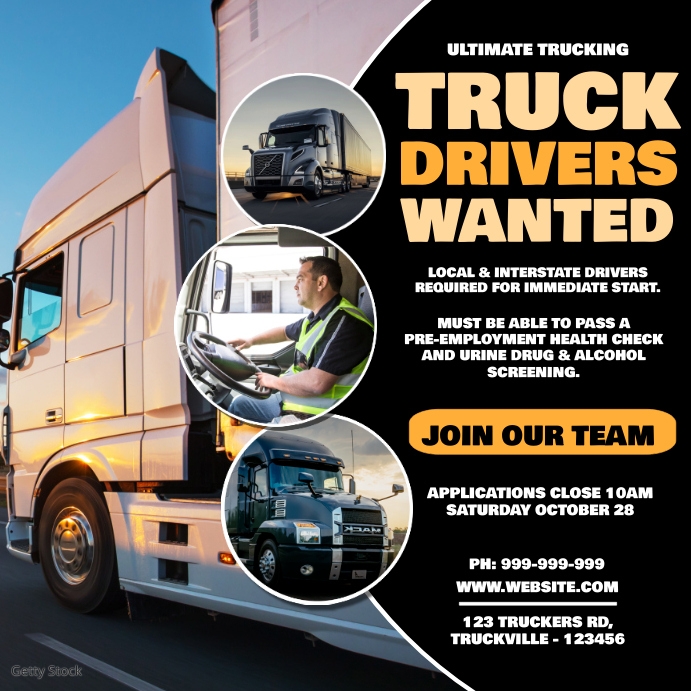
the current labor market in Austria is characterized by a strong emphasis on workplace safety. Prospective employees should look for organizations that demonstrate a commitment to these standards through regular equipment upgrades and clear safety policies. The Austrian Labour Inspectorate provides extensive resources on the rights and responsibilities of workers, which can serve as a helpful guide for those entering new roles in the transport sector.
What Lies Ahead for the Transport Sector
The transport and logistics industry is currently undergoing a period of transition, driven by advancements in vehicle technology and stricter environmental regulations. As cities like Linz implement more stringent emission standards, the vehicles operated by professional drivers are likely to become more sophisticated, requiring ongoing training. For the modern HGV driver, this means that the career path is increasingly focused on technical proficiency and adaptability.
As we monitor the development of labor demand in the region, the need for skilled professionals will remain high. Future updates regarding labor laws or industry-wide collective bargaining agreements in the Austrian transport sector will be reported here as they become available. We encourage our readers to share their own experiences or insights into the logistics job market in the comments section below, as this community-driven knowledge is invaluable for those navigating their professional journeys.
Keep reading