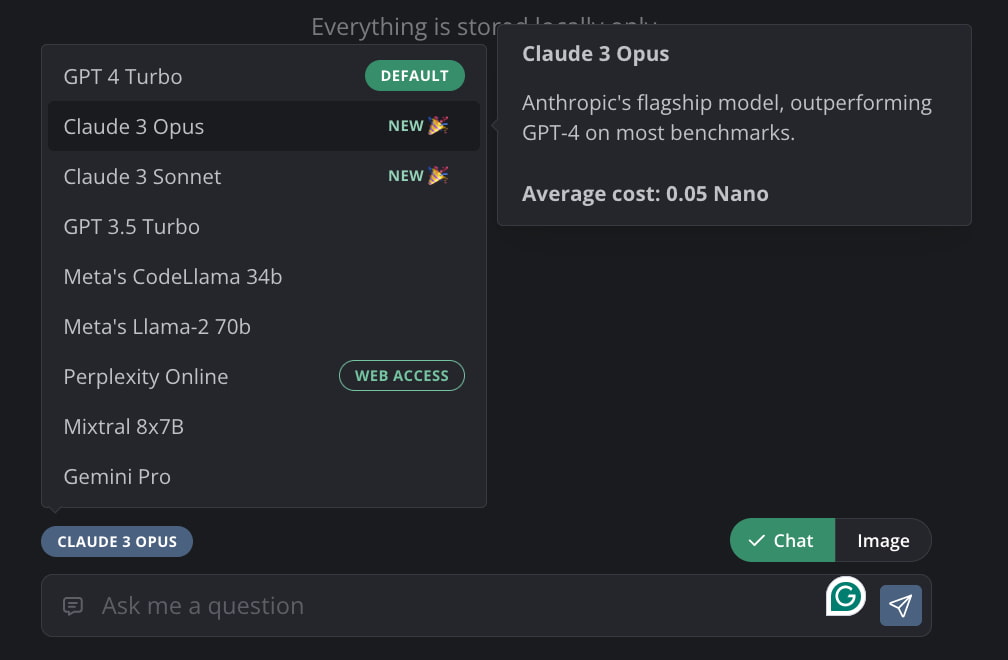
On April 16, 2026, Anthropic announced the general availability of Claude Opus 4.7, marking a significant update to its flagship AI model series. According to the company’s official announcement, the fresh model demonstrates notable improvements over its predecessor, Claude Opus 4.6, particularly in advanced software engineering tasks and complex, long-running operations. Users report being able to delegate highly technical coding work that previously required close supervision, citing the model’s rigor, consistency and ability to verify its own outputs before responding.
The release comes amid broader industry discussions about the evolving role of product managers in AI-augmented workflows. A recent analysis by former Meta and Google executive Nikhyl Singhal, featured in a Korean tech publication, suggests that nearly half of all product managers may face increasing challenges as AI tools like Claude Opus 4.7 become more capable at handling structured, deliverable-focused tasks traditionally managed by humans. Even as the original Korean-language source provided contextual framing for this discussion, the core claims about Singhal’s perspective and the model’s capabilities require independent verification through authoritative channels.
Anthropic’s announcement emphasizes that Claude Opus 4.7 was developed with enhanced safety protocols, especially concerning cybersecurity applications. The company stated it is releasing Opus 4.7 with safeguards that automatically detect and block requests indicating prohibited or high-risk cybersecurity uses. This approach follows the limited preview of Claude Mythos, a more powerful model whose full release remains restricted due to potential security risks. Anthropic noted that Opus 4.7 serves as a testbed for these safeguards, with real-world deployment data intended to inform future broader releases of Mythos-class models.
Independent benchmarking efforts have begun to surface regarding Opus 4.7’s performance in product management-specific workflows. A Substack analysis published on April 18, 2026, by Hamza Farooq—a product management educator with experience at UCLA and MAVEN—detailed a head-to-head comparison between Opus 4.6 and Opus 4.7 across five core PM tasks. Using Claude-as-judge quality scoring, the study found that while early reactions on platforms like Reddit and HackerNews criticized Opus 4.7 for degraded creative writing and over-formatted outputs, these concerns largely did not come from product managers using the model for structured work such as requirements documentation, roadmap planning, or technical specification drafting.
Farooq’s analysis, which included raw outputs and timing data from identical prompts run on both models, concluded that Opus 4.7 demonstrated measurable gains in reliability and instruction adherence for PM-relevant tasks. The model showed improved precision in following complex instructions and greater consistency in output format—qualities valued in professional deliverables. But, the study too acknowledged trade-offs in areas like conversational warmth and creative flexibility, which some users reported as diminished compared to earlier versions.
The broader implications of these developments extend beyond individual productivity to organizational structure and skill evolution in tech teams. As AI models grab on more routine aspects of product management—such as generating user stories, summarizing meeting notes, or drafting release notes—product managers may demand to shift focus toward higher-order functions like strategic visioning, stakeholder negotiation, and ethical risk assessment. This transition mirrors earlier shifts seen in software engineering, where automation of boilerplate code elevated the importance of system design and architecture.
Industry observers note that successful adaptation will depend on both individual upskilling and organizational support. Companies may need to revise job descriptions, invest in AI literacy training, and create new career ladders that value hybrid human-AI collaboration. Educational institutions and professional certification bodies are also beginning to explore updated curricula that reflect the changing nature of product work in AI-integrated environments.
As of April 24, 2026, Anthropic continues to gather feedback from Opus 4.7 users, particularly those in the newly launched Cyber Verification Program, which invites security professionals to use the model for legitimate vulnerability research and penetration testing under supervised conditions. The company states that insights from this program will aid refine safety mechanisms ahead of any potential broader release of models like Mythos Preview.
For product managers and technology leaders navigating this shift, the key takeaway is not replacement but evolution: AI tools are reshaping the scope of human contribution rather than eliminating the need for it. Those who learn to direct, interpret, and integrate AI-generated outputs effectively may find their roles amplified rather than diminished.
To stay informed about official updates regarding Claude Opus 4.7, including safety reports, benchmark results, or announcements about future model releases, readers are encouraged to consult Anthropic’s official news channel and developer documentation.
We invite our readers to share their experiences with AI-assisted product management in the comments below. How has your workflow changed with tools like Claude Opus 4.7? What skills do you believe will be most valuable in the next phase of AI integration?
Keep reading