
For decades, the agricultural landscapes of Malawi have relied on a silent, chemical pillar to sustain their productivity. Pesticides have long been viewed as essential tools for guarding crops against devastating pests, boosting yields, and supporting the livelihoods of millions of people. However, this reliance came with a hidden and troubling cost: a systemic failure in regulation, unsafe handling practices, and escalating threats to both human health and the surrounding environment.
To address these vulnerabilities, the Global Environment Facility (GEF) launched a targeted initiative designed to rewrite the narrative of crop protection. Between 2015 and 2023, the GEF invested USD 2.55 million to confront the challenges of pesticide mismanagement head-on, focusing on transforming the entire lifecycle of these chemicals—from the moment they are imported into the country to their final disposal.
This shift represents more than just a change in farming techniques; It’s a fundamental overhaul of how a nation balances food security with ecological safety. By prioritizing institutional strength over temporary fixes, the project has sought to create a sustainable model for pesticide management in Africa and Asia, ensuring that agricultural growth does not come at the expense of the planet or the people who tend the land.
Strengthening the Institutional Framework
The core of the GEF’s strategy was the belief that farm-level change is impossible without strong governance. In Malawi, this meant addressing a historical lack of development in pesticide registration, monitoring, and enforcement. The project focused on bringing national pesticide regulations in line with international standards, ensuring that only safe and approved chemicals enter the market.
A critical component of this institutional upgrade was the investment in human capital. Regulatory staff received specialized training in lifecycle management, a comprehensive approach that tracks a chemical’s path from the factory to the field and eventually to a safe waste site. This systemic approach prevents the common but dangerous practice of abandoning chemical containers in fields or disposing of expired toxins in unregulated dumps.

Precious Chizonda, the Registrar of the Pesticides Control Board of Malawi and the former National Coordinator for the GEF project, emphasized the importance of this structural approach. “We invested heavily in strengthening systems, not just solving immediate problems,” Chizonda stated. “This has positioned Malawi to better manage pesticides across their entire lifecycle, from importation to disposal.”
To ensure these gains were permanent, the project facilitated the development of a strategic plan for the Pesticides Control Board (PCB). This plan was designed to improve operational efficiency and align Malawi’s domestic agricultural oversight with global best practices, creating a more transparent and accountable system for monitoring chemical use across the country.
From Policy to Plot: Impact on the Farm Level
While the policy changes happened in government offices in Lilongwe, the most profound effects are being felt in rural communities. In areas like Lichenza, within Chiladzulu’s Thumbwe Extension Planning Area, farmers are beginning to rethink their dependence on chemical interventions. For many, the transition to sustainable crop protection is a matter of both health and economic survival.
Emily Zuwedi, a 39-year-old farmer, is one example of the shift occurring on the ground. Zuwedi recalls a time when pesticide use was deeply rooted in local farming culture, often used without a full understanding of the risks involved. Today, however, there is a growing movement toward chemical-free farming, with farmers successfully harvesting staples like sweet potatoes and Irish potatoes without the use of hazardous chemicals.
This transition is supported by a broader effort to educate farmers on integrated pest management and the benefits of biological alternatives. By reducing the reliance on synthetic pesticides, farmers not only protect their own health and that of their families but also preserve the biodiversity of the soil, ensuring that the land remains fertile for future generations.
The Broader Implications for Global Agriculture
The work conducted in Malawi and other parts of Asia serves as a blueprint for other developing nations struggling with the “pesticide paradox”—the need for high yields to feed growing populations versus the need to protect the environment from the chemicals used to achieve those yields.
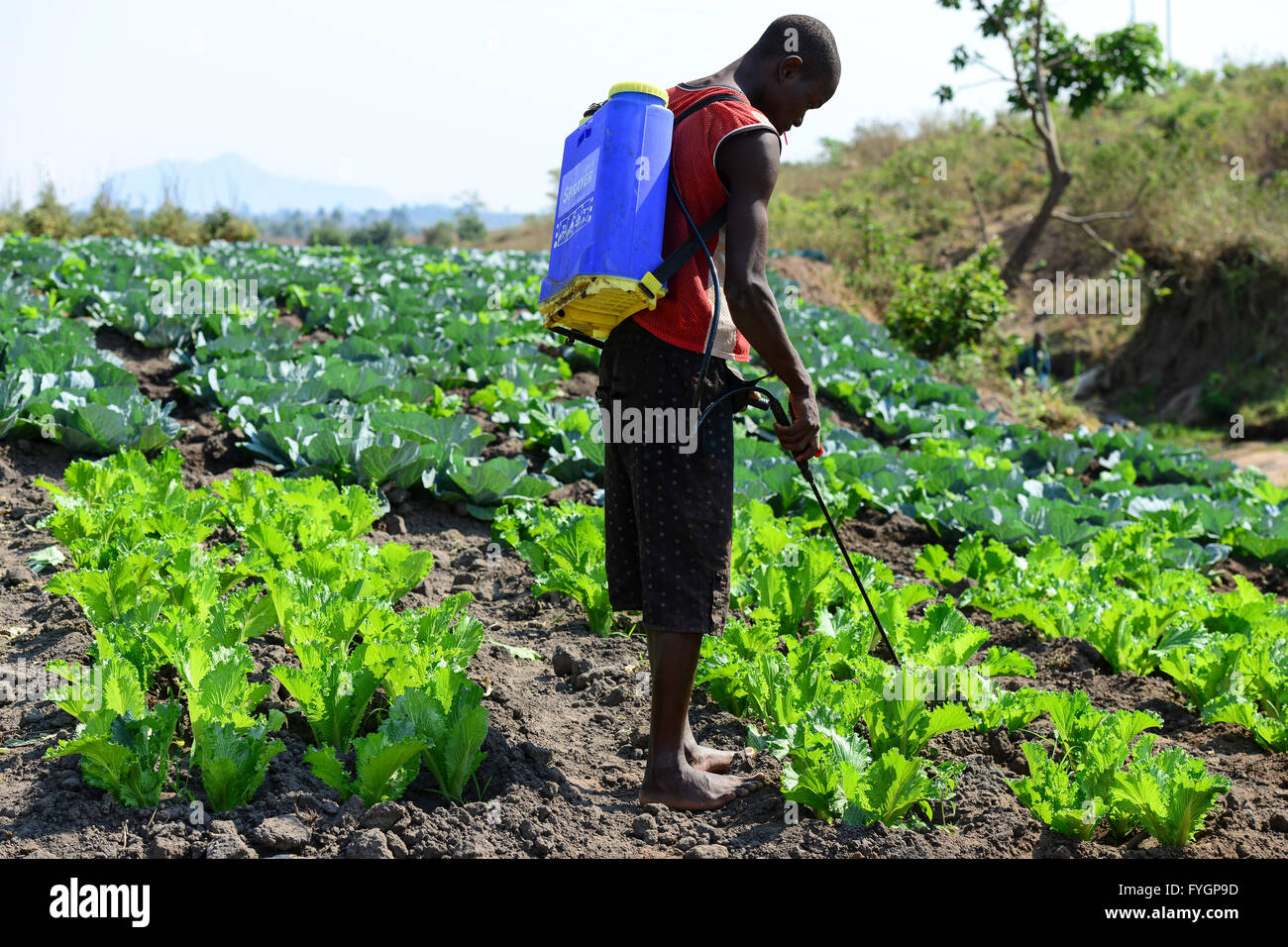
The GEF’s approach highlights three critical lessons for sustainable agricultural development:
- Lifecycle Governance: Managing pesticides is not just about the act of spraying; it requires strict controls on importation, distribution, usage, and disposal to prevent environmental leakage.
- Regulatory Alignment: Local laws must be harmonized with international standards to prevent the dumping of banned or highly hazardous pesticides in countries with weak oversight.
- Farmer Empowerment: Technical training and the demonstration of chemical-free success stories are more effective at changing behavior than top-down mandates alone.
As Malawi continues to implement the strategic plan developed for its Pesticides Control Board, the focus remains on maintaining the balance between productivity and safety. The legacy of the 2015–2023 investment is a framework that allows the country to grow its food while protecting its most valuable assets: its soil, its water, and its people.
The continued success of these initiatives will depend on sustained funding and the ongoing commitment of national governments to prioritize environmental health over short-term yield increases. As more farmers follow the lead of those in the Thumbwe Extension Planning Area, the story of pesticides in Africa and Asia is slowly being rewritten—from one of dependency and risk to one of sustainability and resilience.
For those seeking more information on international standards for chemical safety, the Rotterdam Convention and the Stockholm Convention provide the global benchmarks that national boards, such as Malawi’s PCB, strive to meet to eliminate the use of persistent organic pollutants.
What are your thoughts on the balance between chemical use and sustainable farming? Share your perspective in the comments below or share this article with your network to join the conversation on global food security.
Worth a look