
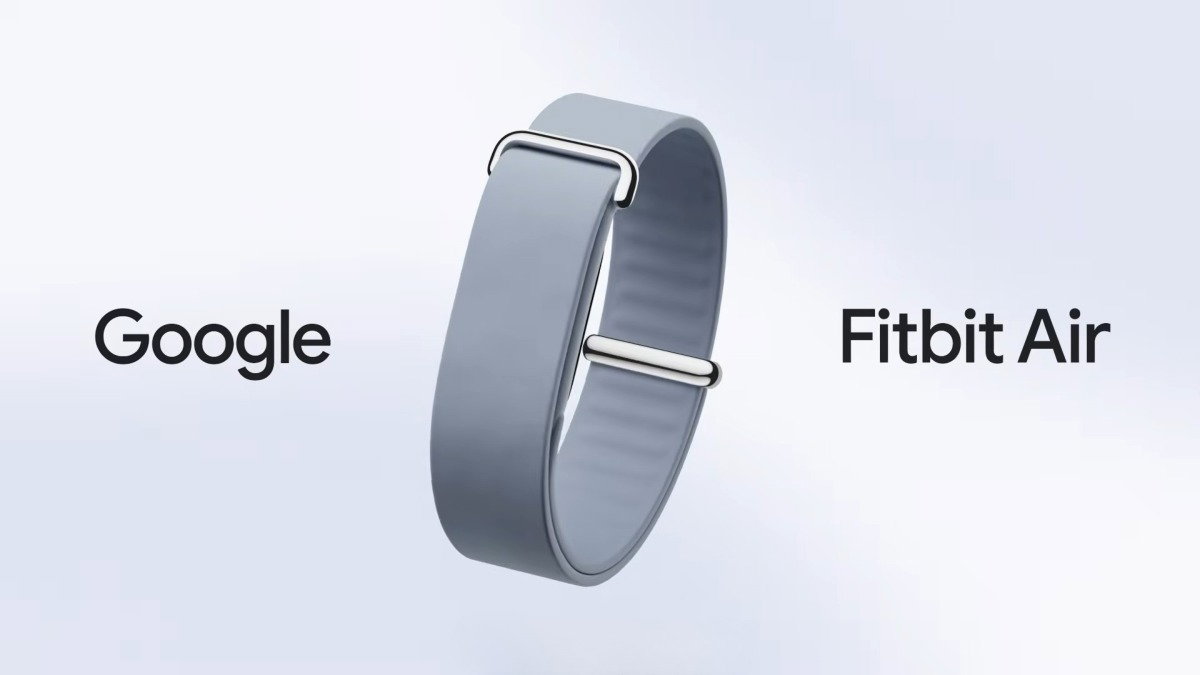
Google is pivoting toward a “less is more” philosophy in the wearable market with the official launch of the Fitbit Air. Announced on May 7, 2026, the device represents a departure from the trend of oversized, screen-heavy smartwatches, opting instead for a screenless, pebble-like design intended for unobtrusive, 24/7 health monitoring.
The Fitbit Air is positioned as the company’s smallest and most affordable tracker to date. By removing the display, Google is betting that users are experiencing “screen fatigue” and are looking for a device that provides deep health insights without the constant distraction of notifications on the wrist. This strategic shift places the intelligence of the experience within the software ecosystem rather than the hardware interface.
For users who prioritize continuous data over instant visibility, the Fitbit Air offers a streamlined approach to wellness. The device pairs exclusively with the Google Health app, which serves as the central hub for analyzing biometric data and receiving personalized health guidance. This integration signals a broader move by Google to consolidate its health hardware under a unified software experience.
A Design Built for Invisibility
The physical footprint of the Fitbit Air is designed for maximum comfort and minimal presence. Described as a “tiny, affordable tracker,” the device is lightweight enough to be worn throughout the day and night without the bulk associated with traditional smartwatches. This form factor is critical for the device’s primary goal: consistent, round-the-clock monitoring.
By eliminating the screen, Google has significantly reduced the device’s weight and power consumption. According to Google’s official announcement, the Fitbit Air delivers up to a week of battery life on a single charge. The inclusion of prompt charging further ensures that the device spends more time on the wrist and less time on the charger, removing one of the primary friction points of modern wearable technology.
The lack of a screen does not mean a lack of utility. The device is designed to stay “out of your way,” functioning as a silent sentinel that collects data in the background. Users can customize their experience with various bands to match different styles, emphasizing the device’s role as both a health tool and a discreet accessory.
Health Tracking and the Google Health Ecosystem
Despite its diminutive size, the Fitbit Air maintains a robust suite of sensors. The device tracks core health metrics, including heart rate and sleep patterns, providing the foundational data necessary for long-term wellness trends. One of the standout features is the device’s ability to automatically detect workouts, reducing the need for manual input and ensuring that fitness activity is captured accurately.
The real power of the Fitbit Air, however, lies in its synergy with the Google Health app. Because the device has no screen, all data visualization and analysis happen on the smartphone. The app transforms raw biometric data into actionable fitness insights, allowing users to track their progress and understand their physiological responses to exercise and rest.
Andy Abramson, Head of Product at Google Health, noted that the Fitbit Air is designed to deliver the company’s “most in-depth health insights yet.” This suggests that the focus has shifted from the hardware’s ability to show data to the software’s ability to interpret it. The app provides personalized advice based on the collected metrics, moving the wearable experience from simple tracking to active health coaching.
Pricing, Accessibility and Premium Integration
Google is positioning the Fitbit Air as an entry point into its health ecosystem. The device is available for pre-order starting at $99.99, making it significantly more accessible than the high-end Pixel Watch or premium Fitbit models. This pricing strategy likely aims to attract a broader demographic, including those who find traditional smartwatches too expensive or overly complex.
To further integrate users into its services, each pre-order of the Fitbit Air includes a three-month trial of Google Health Premium. This subscription service provides enhanced analytics and deeper insights beyond the basic tracking capabilities. By bundling the trial, Google is encouraging users to experience the full potential of its AI-driven health coaching and advanced data interpretation.
The transition toward a “Health Premium” model indicates that Google views the hardware as the vehicle for a larger, service-based business model. While the tracker itself is affordable, the long-term value is tied to the ongoing insights provided by the software subscription.
Key Takeaways: Fitbit Air at a Glance
- Design: Screenless, lightweight “pebble” design for 24/7 comfort.
- Battery: Up to one week of battery life with fast charging capabilities.
- Core Tracking: Heart rate, sleep, and automatic workout detection.
- Integration: Pairs with the Google Health app for all data and insights.
- Price: Starts at $99.99, including a three-month Google Health Premium trial.
The Strategic Shift: Why a Screenless Wearable?
The launch of the Fitbit Air reflects a growing trend in the consumer electronics industry toward “invisible” technology. For years, the race in wearables was defined by who could put the most features—and the largest, brightest screens—on a wrist. However, this often led to shorter battery life and a constant stream of digital interruptions.

By removing the screen, Google is addressing two major pain points: battery anxiety and digital distraction. A screenless device can last significantly longer and allows the user to remain present in their environment while still benefiting from health monitoring. This makes the Fitbit Air particularly appealing for sleep tracking, where a large, glowing screen can be cumbersome or disruptive.
this move strengthens the role of the Google Health app. By forcing the interaction to happen on the phone, Google ensures that users engage with its software ecosystem more deeply. This allows for a more comprehensive presentation of data—using the larger screen of a smartphone to show graphs, trends, and detailed reports that would be impossible to view on a small wrist-worn display.
This approach also aligns with the broader industry move toward AI-driven health. When data is processed in the cloud and delivered via an app, Google can leverage its advanced machine learning models to provide “personalized advice” that evolves as the user’s health data grows. The Fitbit Air is not just a tracker; it is a data collection node for a sophisticated AI health coach.
As the wearable market matures, the distinction between “smartwatches” (which act as wrist-computers) and “health trackers” (which act as biometric sensors) is becoming clearer. The Fitbit Air firmly plants itself in the latter category, prioritizing physiological data over connectivity features.
The next confirmed step for the device is the transition from the current pre-order phase to general availability. Google is expected to provide further updates on shipping timelines and regional availability via the Google Store and authorized retailers in the coming weeks.
Do you prefer a screenless experience for your health data, or is the convenience of a wrist-display non-negotiable? Share your thoughts in the comments below.