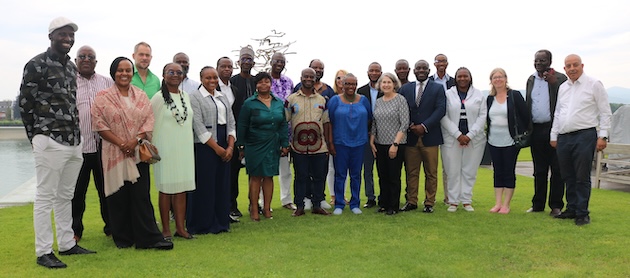
Health emerges as a strategic frontline for Africa ahead of the Bonn Climate Conference, as international health and environmental agencies warn that the continent faces disproportionate risks despite contributing the least to global greenhouse gas emissions. According to the World Health Organization (WHO), climate-driven health crises—including the spread of infectious diseases, respiratory complications from air pollution, and the collapse of essential medical infrastructure—are becoming central to the continent’s climate policy negotiations.
The upcoming Bonn Climate Change Conference, formally known as the June 2024 sessions of the Subsidiary Bodies, serves as a critical checkpoint for African nations to demand greater climate financing for health system resilience. As heatwaves, prolonged droughts, and catastrophic flooding events increase in frequency and intensity, public health analysts are shifting their focus from purely environmental mitigation to the immediate, life-saving needs of vulnerable populations across sub-Saharan Africa.
The Growing Burden of Climate-Sensitive Diseases
The intersection of climate instability and public health in Africa is manifesting primarily through the expansion of disease vectors. Rising temperatures and altered precipitation patterns are creating favorable environments for mosquitoes, which are expanding their range into previously unaffected high-altitude regions. The 2023 Lancet Countdown on Health and Climate Change report indicates that the transmission potential for malaria and dengue fever has increased significantly in parts of East and Southern Africa over the last decade.
Beyond vector-borne illnesses, the continent faces severe challenges regarding waterborne diseases. Extreme weather events, such as the flooding seen in the Horn of Africa, frequently overwhelm sanitation infrastructure, leading to outbreaks of cholera and other diarrheal diseases. According to the WHO Regional Office for Africa, these disruptions are not isolated incidents but part of a systemic trend that places immense pressure on already strained health facilities, often forcing them to divert limited resources from routine care to emergency disaster response.
Infrastructure Resilience and Climate Financing
A primary point of contention for African delegates in Bonn is the chronic shortfall in climate finance specifically earmarked for health. While global funds have historically prioritized energy transition and carbon sequestration, health ministries are advocating for a reallocation toward climate-resilient infrastructure. This includes the construction of flood-proof hospitals, the establishment of early-warning systems for heatwaves, and the training of rural health workers to manage climate-induced trauma.
The World Bank notes that without significant investment in health system adaptation, the economic costs of climate-related health impacts in Africa could reach billions of dollars annually by 2030, effectively undermining progress made in poverty reduction and development. The current focus is on securing commitments from high-income nations to fulfill their promises under the Paris Agreement, specifically regarding the “Loss and Damage” fund, which is intended to help developing nations recover from climate disasters that go beyond the limits of adaptation.
Air Quality and Urban Health Challenges
Urbanization in Africa is occurring rapidly, and with it, the challenge of air pollution is intensifying. Climate change exacerbates these issues through “heat island” effects in major cities, where concrete and asphalt trap heat, worsening respiratory conditions. Research published by the State of Global Air initiative highlights that air pollution is a leading risk factor for premature death across the continent, with climate change acting as a multiplier that worsens the concentration of hazardous particulate matter.
Health experts argue that urban planning must now incorporate climate health strategies. This includes the expansion of green spaces to reduce ambient temperatures and the modernization of energy grids to move away from biomass fuels, which contribute both to poor indoor air quality and local climate forcing. These localized interventions are viewed as essential components of a broader strategy to protect the most vulnerable urban populations from the cascading effects of a warming planet.
What Happens Next at the Bonn Conference
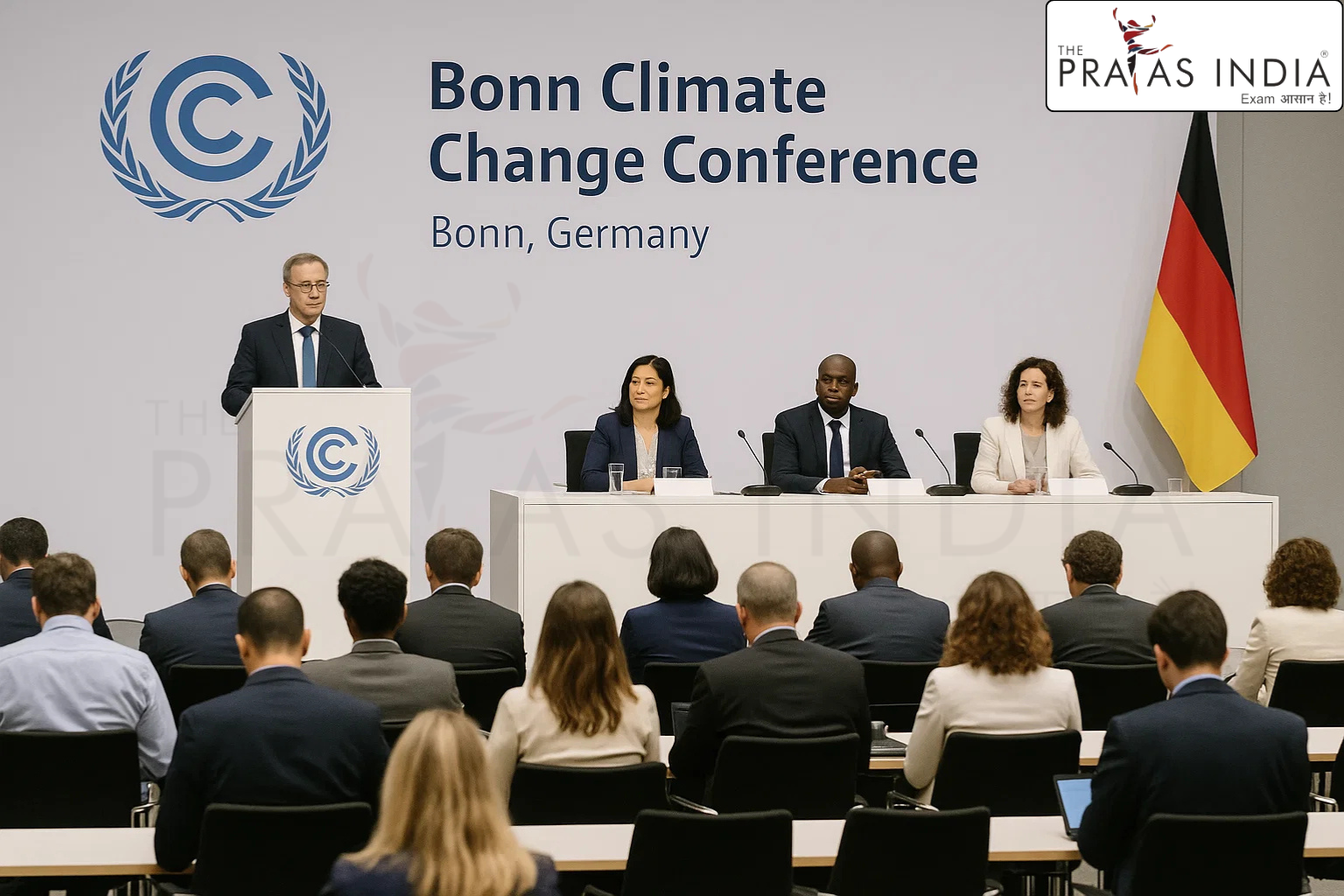
The Bonn Climate Change Conference, scheduled to conclude in mid-June 2024, will see specialized sessions dedicated to the intersection of human health and environmental policy. These discussions are intended to set the agenda for the larger COP29 summit later this year. Delegates are expected to finalize technical frameworks for monitoring health outcomes in climate-vulnerable regions, a move that advocates hope will lead to more precise, data-driven funding allocations.
The international community will be watching to see if the commitments made at previous summits translate into tangible support for African health systems. For millions of people across the continent, the outcomes of these negotiations are not merely political milestones but essential factors in their long-term survival and well-being. We invite readers to share their perspectives on the role of climate finance in global health in the comments section below.
Related reading
- Ciro Immobile Retires from Professional Football
- PSG Agree €50M Deal with Barcelona for World Cup Hero Ferran Torres
- Emmerdale Spoiler Alert: Mack and Ross’s Relationship in Shambles – What’s Next for the Torrey Twins? Emmerdale Latest Drama, Mack and Ross Change, Ross Griffin Update (archyworldys.com)
- Luxembourg and WHO Sign Landmark €47.5 Million Global Health Partnership (world-today-news.com)