
As the 2026 FIFA World Cup captures global attention, professional soccer teams are arriving in host cities across the United States, turning airport arrival terminals into high-stakes fashion runways. From the Democratic Republic of the Congo’s tribute to their “Les Léopards” nickname to the custom tailoring of the Ivorian squad, national teams are increasingly using their travel attire to project cultural identity and team heritage ahead of the tournament’s opening matches.
The 2026 World Cup, hosted jointly by the United States, Canada, and Mexico, represents the largest iteration of the tournament to date, featuring an expanded field of 48 teams. According to FIFA official tournament documentation, the event spans 16 host cities, creating a massive logistical and cultural footprint. For participating nations, the arrival “drip”—a contemporary term for high-end, curated personal style—has become a primary vehicle for brand storytelling before the first whistle blows.
Can’t post to Instagram so y’all get the exclusive look at @FecofaRdc’s arrival drip pic.twitter.com/WXWQpMO0t9— FIFA World Cup 26 Houston (@FWC26Houston) June 12, 2026
The Cultural Significance of Team Identity
The Democratic Republic of the Congo’s arrival in Houston highlighted a deliberate synthesis of sports branding and traditional heritage. The team, known as “Les Léopards,” donned coordinated black and leopard-print ensembles upon landing. This choice extends beyond aesthetic preference; in Congolese tradition, leopard print historically signifies authority and social standing, often associated with leadership roles within the community. By incorporating these patterns, the team creates a visual link between their athletic identity and national history, a move that has drawn significant attention on social media platforms.
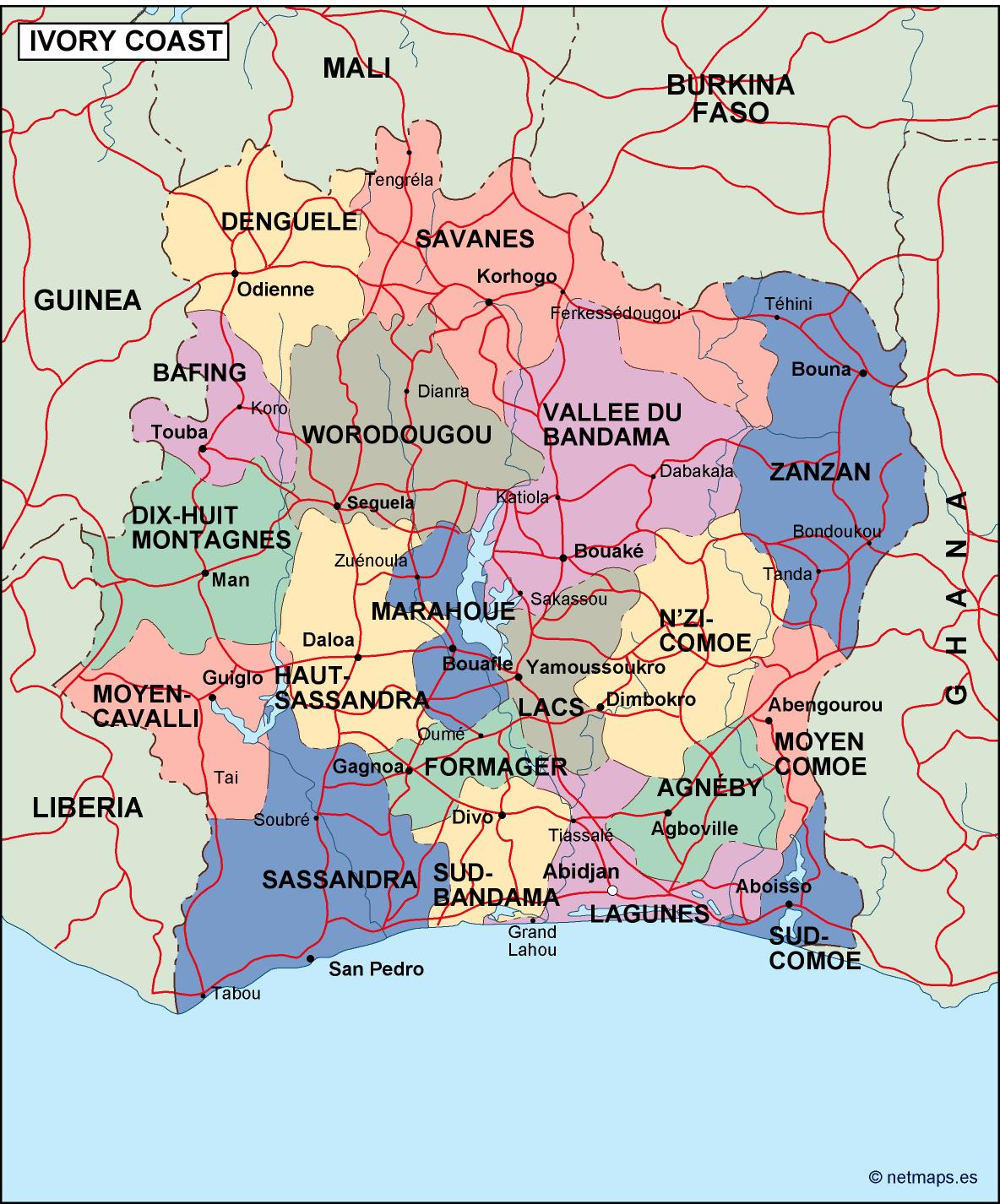
Similarly, the Ivory Coast national team—the “Elephants”—arrived in Philadelphia in custom-designed orange suits. The attire, designed by Ivorian creator Ibrahim Fernandez, features detailed embroidery of the team’s namesake mascot and incorporates the national colors. This approach to team fashion underscores a growing trend in international sports, where delegations use private designers to ensure their public arrival conveys a specific, locally rooted message rather than relying solely on standard-issue athletic apparel.
@supersportofficial Côte d’Ivoire arrive in style #DStvFIFAWorldCup2026 #EverythingCanWait #sportsontiktok #fifaworldcup #SSFootball ♬ original sound – SuperSportTV – SuperSportTV
Corporate Collaborations and Global Fashion
While some teams lean into traditional motifs, the United States Men’s National Team (USMNT) has opted for a high-fashion collaborative approach. Reports indicate the squad has been working with Nike to integrate pieces from the Virgil Abloh Archive, a collection that honors the legacy of the late designer’s work with the brand. This partnership highlights the increasing intersection of elite athletic performance and luxury streetwear culture, aiming to position the “home team” as a recognizable entity within the global fashion landscape.
@stevenatto Unreleased Nike x Virgil Abloh Archive Collection Debuted by USA Men’s Soccer Team #nike365 ♬ original sound – Steve Natto
The integration of these custom looks suggests that for the 2026 World Cup, the competition begins long before the players step onto the pitch. By leveraging high-profile partnerships, as seen with the USMNT, or utilizing local designers, as with the Ivory Coast, teams are establishing a visual narrative that resonates with fans globally. These fashion choices serve as an extension of the team’s brand, transforming travel logistics into an opportunity for cultural diplomacy.
Looking Ahead to Tournament Play
As teams finalize their preparations, the focus will soon shift from arrival fashion to on-field performance. The 2026 tournament structure, which includes an expanded group stage, necessitates rigorous training schedules across all host venues. Official schedules and match updates are maintained through the FIFA Match Schedule portal, where fans can track kick-off times and venue assignments. Following the initial arrival phase, national federations are expected to hold press conferences and open training sessions as they acclimate to the varied climates across the United States.
The intersection of sport and style continues to evolve as the tournament progresses. Observers will be watching to see if other nations adopt similarly bold sartorial strategies for their remaining travel dates. We invite our readers to share their thoughts on these arrival looks in the comments section below as we continue to track both the competition and the cultural moments defining the 2026 World Cup.
Related reading