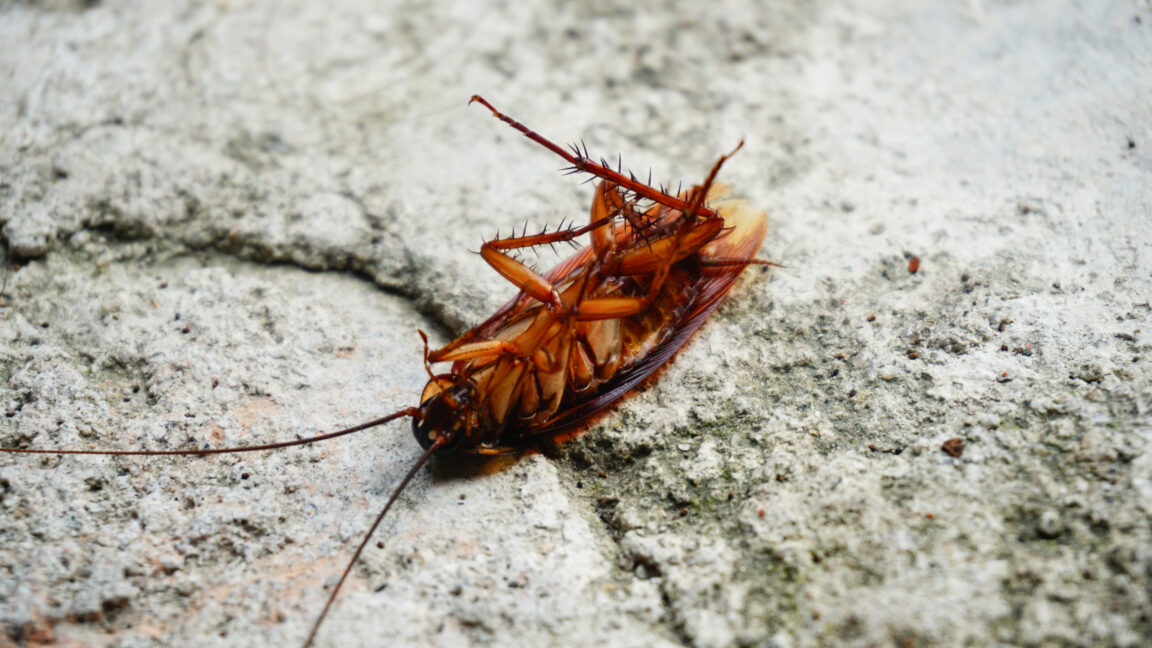
New genomic analysis reveals that horizontal gene transfer (HGT) is a prevalent evolutionary mechanism in multicellular animals, with researchers identifying extensive bacterial DNA sequences within the genomes of various cockroach species. This phenomenon, where genetic material is transferred between distinct species rather than inherited from parents, challenges traditional models of evolutionary biology that rely strictly on vertical descent. According to research published in the journal Cell, these genetic acquisitions have persisted in cockroach lineages for millions of years, potentially contributing to their environmental resilience.
Horizontal gene transfer occurs when an organism acquires DNA from a donor species and integrates it into its own genome. While this process is well-documented in microbes—which often share genetic information in dense, communal environments—its role in complex, multicellular organisms has long been considered a rarity. Recent findings, however, suggest that insects, including the common cockroach, have acted as long-term hosts for microbial genetic sequences, effectively blurring the lines of the tree of life.
The Mechanics of Horizontal Gene Transfer in Insects
The integration of bacterial DNA into the cockroach genome is not a recent development but a process that has unfolded over geological timescales. Researchers from the University of Tokyo and other international institutions have mapped these genomic insertions, finding that many of these sequences originate from symbiotic bacteria that have lived alongside the insects for eons. As detailed in the study on cockroach genomic evolution, the presence of these genes suggests that the insects have effectively co-opted bacterial functions to improve their own metabolic or defensive capabilities.
In many cases, these horizontal gene transfers involve metabolic pathways that allow the host to process complex nutrients or synthesize essential amino acids that they might not otherwise obtain from their diet. By incorporating bacterial genes, the cockroach gains an evolutionary advantage. This process is distinct from the cell-to-cell communication seen in bacteria, as the transferred genes become a permanent, inheritable part of the insect’s germline.
Beyond the Branching Tree of Life
Traditional evolutionary biology often utilizes the metaphor of a “tree of life,” where species branch off from common ancestors in a neatly defined, vertical hierarchy. Horizontal gene transfer introduces a different perspective: a web-like structure where distant branches are linked by the exchange of genetic information. This discovery highlights that the evolutionary history of multicellular animals is significantly more fluid than previously modeled.
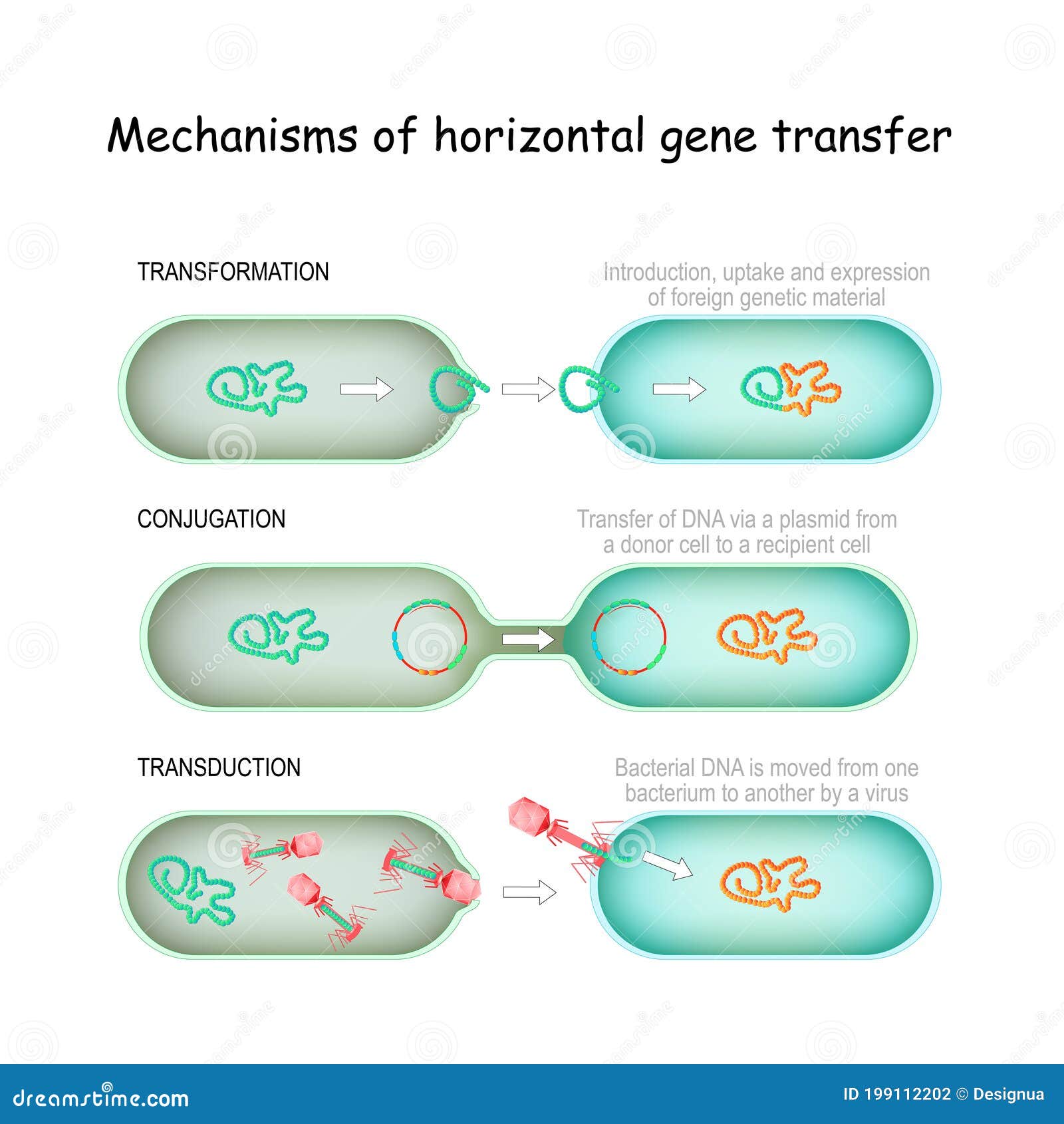
The implications of this finding are profound for our understanding of biodiversity. If horizontal gene transfer is common across the animal kingdom, it suggests that complex organisms have been “borrowing” genetic innovation from microbes throughout their development. This process may explain rapid adaptations in various species that occur too quickly to be accounted for by traditional mutation and natural selection alone. Researchers at the National Center for Biotechnology Information (NCBI) have noted that such genomic “threads” connect species that would otherwise be considered unrelated in a standard phylogenetic tree.
Why Cockroaches Are Unique Biological Models
Cockroaches serve as an ideal case study for this research due to their long evolutionary history and their intimate relationship with diverse bacterial communities. These insects frequently inhabit environments teeming with microbial life, providing ample opportunity for environmental DNA to interact with their cells. Furthermore, because cockroaches harbor specific endosymbionts, the proximity between bacterial DNA and the host’s reproductive cells facilitates the incorporation of foreign genes into the next generation.
The study of these genomes requires sophisticated computational tools to distinguish between ancient, vertically inherited genes and those acquired through HGT. By comparing the genomes of multiple cockroach species, scientists have been able to date the arrival of specific bacterial sequences. According to data provided by the National Human Genome Research Institute, distinguishing these sequences is crucial for mapping the history of species adaptation and understanding how environmental factors influence genomic architecture.
Future Directions in Genomic Research
The identification of thousands of pieces of bacterial genomes within the cockroach is only the beginning of a broader effort to catalog horizontal gene transfer across the animal kingdom. Ongoing research is now shifting toward identifying the specific functional roles of these acquired genes. Understanding how these sequences influence the physiology of the host could lead to breakthroughs in synthetic biology and pest management strategies.

As genomic sequencing technology becomes more accessible, researchers expect to find evidence of similar transfers in a wider variety of multicellular organisms. The next phase of this research involves rigorous validation of these sequences to ensure they are not simply artifacts of contamination during the sequencing process. Future updates will be available through the Nature Genomics research portal as new data sets are published and peer-reviewed.
How do you view the role of horizontal gene transfer in the evolution of complex life? Join the conversation below and share your thoughts on whether this shifts our understanding of what defines a species.
Related reading