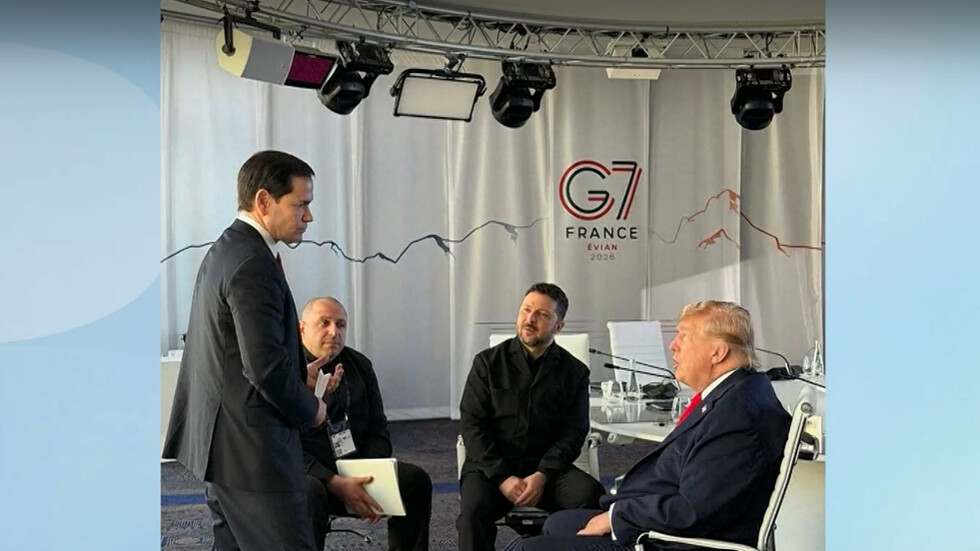
Diplomatic efforts to address the ongoing war in Ukraine have intensified as international leaders and political figures evaluate the potential for shifts in United States foreign policy. Recent high-level discussions, including meetings involving Ukrainian President Volodymyr Zelenskyy and various Western representatives, have centered on maintaining military and financial support for Kyiv while navigating the evolving geopolitical landscape surrounding the conflict. These consultations remain focused on the long-term stability of European security and the sustainability of international aid packages, according to reports from Reuters and other international news agencies.
The dialogue between global leaders comes at a time when the war, which began with the Russian invasion on February 24, 2022, continues to strain international energy markets and economic growth. While discussions often touch upon the prospect of peace negotiations, the primary focus for the G7 and its partners remains the provision of defensive capabilities to Ukraine. According to the G7 Leaders’ Communiqué from the 2024 Puglia Summit, member states have committed to providing additional funding and military equipment to ensure Ukraine can effectively resist ongoing territorial aggression.
Shifting Perspectives on International Support
The role of the United States in the conflict remains a central topic of debate among European allies. As the U.S. approaches the conclusion of its current electoral cycle, observers are closely monitoring how potential shifts in administration might alter the trajectory of American military aid. While some political figures have expressed skepticism regarding the scale of current expenditures, the bipartisan consensus in Washington has largely maintained support for Ukraine’s defense, as noted by the U.S. Department of State.
The concern among European leaders, including those from Germany, France, and the United Kingdom, is that a reduction in U.S. engagement could create a vacuum that complicates the defense of Eastern Europe. During recent summits, including those held in Italy and Switzerland, officials emphasized that the security of the transatlantic alliance is inextricably linked to the outcome of the war. These discussions often highlight the necessity of long-term planning, as the conflict has entered a protracted phase of attrition, according to analysis from the Center for Strategic and International Studies.
Economic Pressures and Energy Security
Beyond the immediate military requirements, the conflict has exerted significant pressure on the global economy. Inflation rates across Europe and North America have been influenced by fluctuations in energy prices, a direct consequence of sanctions on Russian energy exports and the disruption of traditional supply chains. The G7 nations have implemented various measures to mitigate these costs, including price caps on Russian oil and the diversification of natural gas suppliers, as detailed in reports from the International Energy Agency.
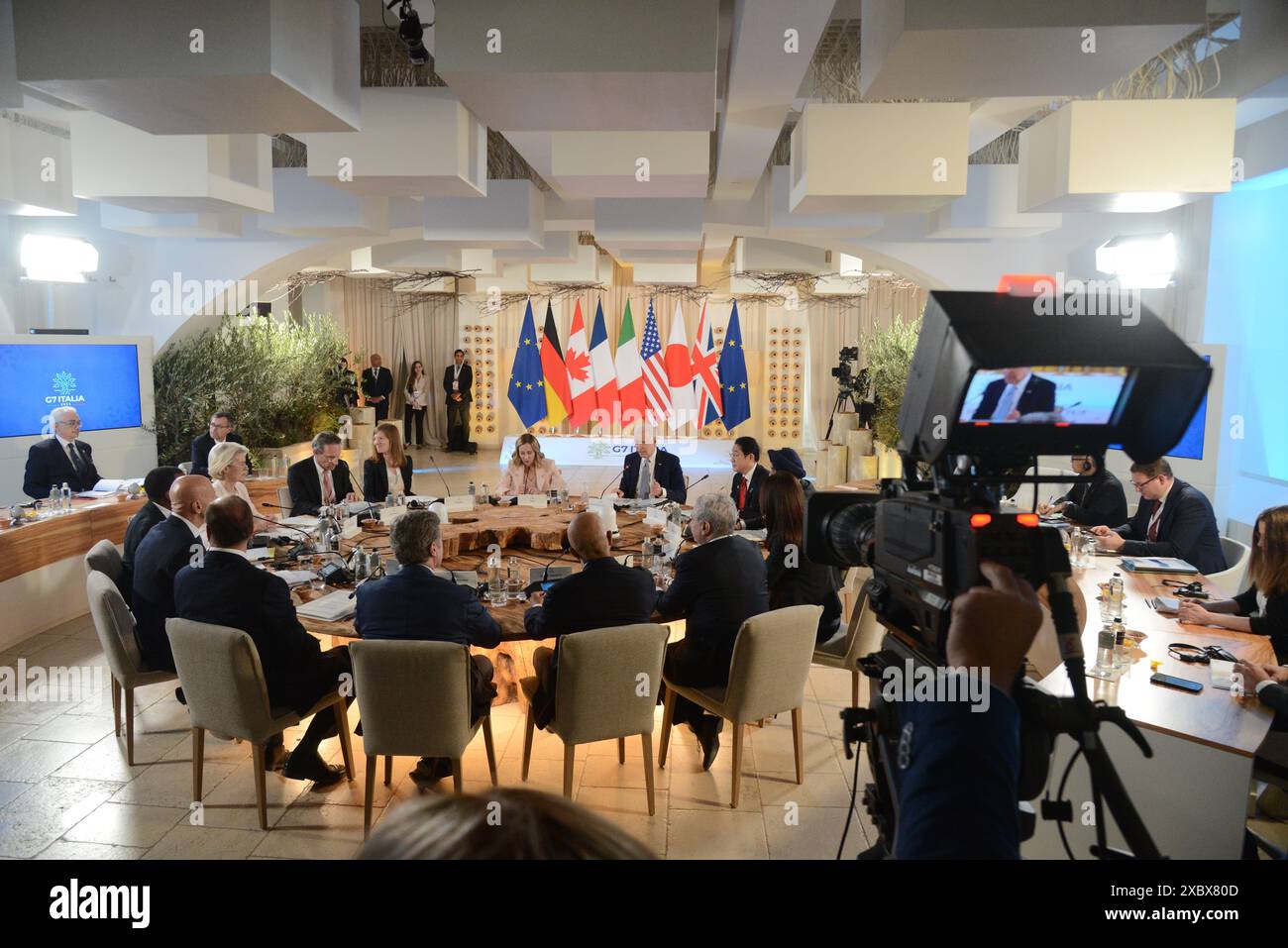
These economic challenges have made the political sustainability of aid packages a priority for democratic governments. Leaders face the dual challenge of maintaining public support for Ukraine while addressing the domestic impacts of high energy costs. Despite these hurdles, the G7 has consistently reaffirmed its intention to keep economic pressure on Moscow until the sovereignty and territorial integrity of Ukraine are restored, a stance reiterated in the official European Council conclusions following the Puglia Summit.
What Happens Next in the Diplomatic Process
The diplomatic calendar remains packed with high-level meetings aimed at coordinating the next phases of assistance. The focus is currently shifting toward the implementation of long-term security agreements, which are intended to provide a framework for Ukraine’s defense regardless of future political changes in Western capitals. These bilateral security pacts, signed by several nations including the U.S. and the U.K., are designed to ensure that technical and financial support remains predictable and consistent, according to the UK Government’s security cooperation documentation.
Observers are now looking toward upcoming sessions of the Ukraine Defense Contact Group, often referred to as the Ramstein format, where specific military aid packages are finalized. These meetings serve as the primary venue for technical discussions regarding equipment transfers, training programs, and logistical support. As the situation on the ground continues to evolve, the international community remains committed to a policy of sustained engagement, aimed at preventing a collapse of the current defensive lines and preparing for potential future negotiations on terms acceptable to the Ukrainian government.
Readers interested in following the latest official updates on international aid and policy developments can monitor the NATO official website, which provides comprehensive data on member state contributions and strategic shifts. We encourage our readers to participate in the conversation by sharing their perspectives on these developments in the comments section below.
- Solar Eclipse Glasses Demand Surges: Retailers Struggle to Keep Up with Shortages
- Argentina v South Africa 2026: Match Thread & Live Updates
- Taylor Swift Folklore Track Removed From Trump-Affiliated Account Over Copyright (world-today-news.com)
- Tariff vs. Price Floor: What Trump's New Solar Rule Does (daybreakwire.com)