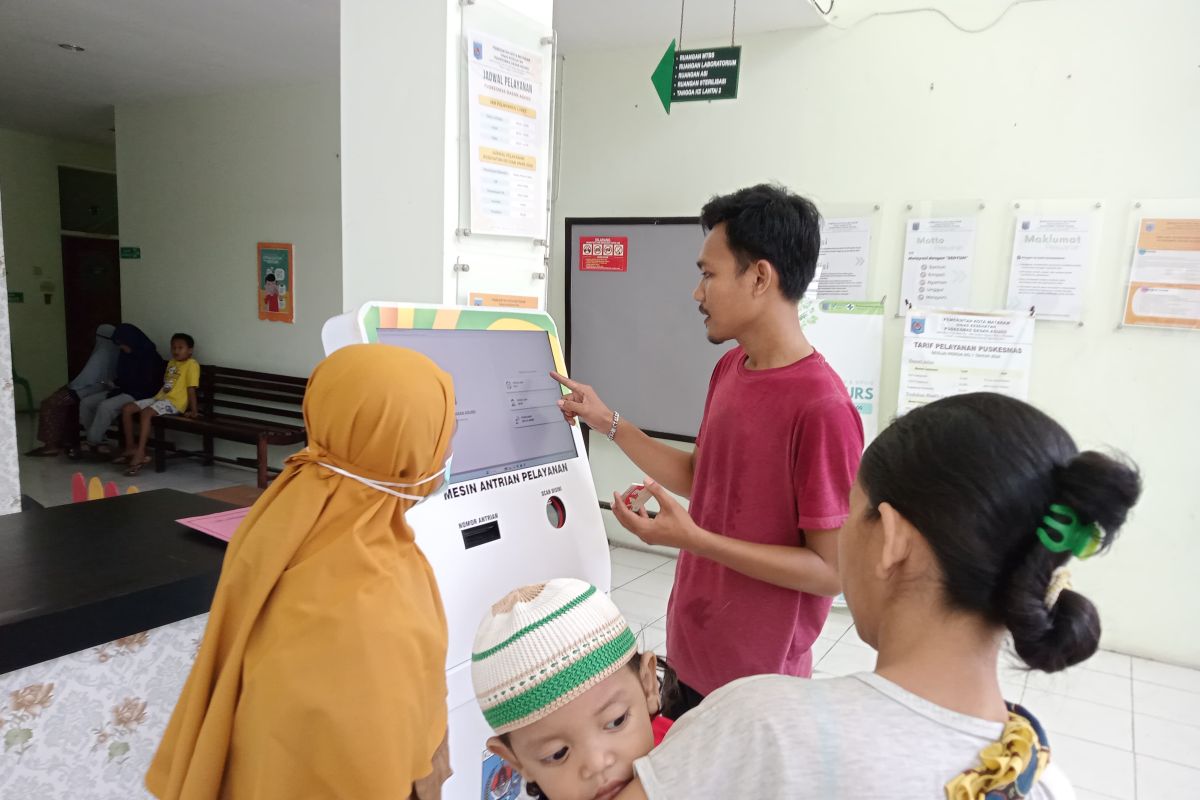
MATARAM, Indonesia — Local health authorities in Mataram are issuing a call for heightened vigilance as a noticeable uptick in Acute Respiratory Infection (ARI) cases has been recorded across the city. The Mataram Health Office (Dinkes) has identified a direct correlation between the recent shift toward cooler, more unpredictable weather patterns and the rising number of patients presenting with respiratory distress.
This surge in Infeksi Saluran Pernapasan Akut (ISPA)—the Indonesian medical term for ARI—has placed increased pressure on local primary healthcare facilities. While respiratory infections are a common seasonal occurrence in tropical regions, the current trend has prompted health officials to emphasize the importance of preventative measures and early symptom recognition to mitigate the impact on the community.
As we observe these fluctuations in public health data, it is essential to understand that these spikes are rarely random. They are often the result of a complex interplay between environmental changes, human behavior, and the biological vulnerability of the respiratory tract. For the residents of Mataram and the wider West Nusa Tenggara (NTB) region, staying informed about the nature of these infections is the first step in effective self-care and community protection.
The Rising Trend of ISPA in Mataram
According to reports from the Mataram Health Office, the recent drop in ambient temperatures has coincided with a higher volume of outpatient visits related to coughing, fever, and shortness of breath. While the exact statistical trajectory is being monitored by regional epidemiologists, the qualitative shift in clinic admissions is clear: more citizens are seeking medical attention for upper and lower respiratory symptoms.
The local health authorities have noted that these cases are being reported across various demographics, though children and the elderly remain the most vulnerable populations. The transition in weather—often characterized by increased humidity or sudden temperature drops during the evening and early morning hours—appears to be the primary environmental driver behind this seasonal spike.
Health officials in Mataram are currently working to ensure that local health centers (Puskesmas) are adequately equipped with the necessary diagnostic tools and medications to manage the influx. The focus remains on early detection to prevent mild respiratory infections from escalating into more severe conditions, such as pneumonia, which can require hospitalization.
What is ISPA? A Medical Overview
To address this health trend effectively, it is vital to define what we mean by ISPA. Acute Respiratory Infection (ARI) is an umbrella term that encompasses a wide range of illnesses affecting the respiratory tract. These are typically categorized by the location of the infection within the body:
- Upper Respiratory Infections (URIs): These affect the nose, sinuses, pharynx, and larynx. Common examples include the common cold, sinusitis, and laryngitis. While often less severe, they are highly contagious.
- Lower Respiratory Infections (LRIs): These affect the trachea, bronchial tubes, and lungs. These are generally more serious and include conditions such as acute bronchitis and pneumonia.
Most ISPA cases are caused by viruses, such as the rhinovirus, influenza, or respiratory syncytial virus (RSV). However, bacterial infections can also play a role, particularly when a viral infection weakens the immune system, allowing secondary bacteria to take hold. According to the World Health Organization (WHO), respiratory infections remain a leading cause of morbidity and mortality globally, particularly in developing regions where environmental factors can exacerbate transmission.
Common symptoms that residents should monitor include:
- Persistent coughing (dry or productive)
- Sore throat and nasal congestion
- Fever and chills
- Shortness of breath or rapid breathing
- Fatigue and general malaise
Why Cold Weather Triggers Respiratory Vulnerability
From a clinical perspective, the link between the cooling temperatures in Mataram and the rise in ISPA is well-documented. It is a common misconception that “being cold” directly causes an infection; rather, the cold weather creates an environment that facilitates both viral survival and human vulnerability.
First, changes in temperature and humidity can affect the physical defenses of our respiratory system. The respiratory tract is lined with a mucosal barrier and tiny hair-like structures called cilia. These work together to trap pathogens and move them out of the lungs. When we inhale cooler, drier air, it can dry out these mucosal linings, making them less effective at trapping viruses and bacteria. Cold air can cause the blood vessels in the nasal passages to constrict, which may reduce the number of white blood cells reaching the area to fight off invading pathogens.
Second, environmental conditions influence the behavior of viruses. Many respiratory viruses thrive in cooler, more stable temperatures. During colder periods, people tend to spend more time indoors in closer proximity to one another. This increased indoor crowding, often combined with reduced ventilation, creates the perfect “closed loop” for airborne droplets to spread from person to person.
Finally, seasonal shifts can impact our immune resilience. Changes in diet, sleep patterns, and even Vitamin D levels (due to changes in sunlight exposure) can influence how robustly our immune system responds to environmental stressors.
Public Health Recommendations for Mataram Residents
In response to the current situation, health experts recommend a multi-layered approach to prevention. While it is impossible to eliminate all risks of infection, certain lifestyle adjustments and hygiene practices can significantly lower the probability of contracting or spreading ISPA.
1. Personal Hygiene and Barrier Protection
The most effective way to interrupt the chain of infection is through consistent hand hygiene. Frequent washing with soap and water, or the use of alcohol-based hand sanitizers, remains a cornerstone of public health. Wearing a mask in crowded indoor spaces or when feeling unwell is a highly effective way to protect others from respiratory droplets.
2. Environmental and Lifestyle Adjustments
As the weather in Mataram remains cool, residents are encouraged to dress appropriately to maintain body temperature. Maintaining adequate hydration is also crucial; water helps keep the mucosal linings of the respiratory tract moist and functioning correctly. Ensuring good ventilation in homes and workplaces—even during cooler periods—can help reduce the concentration of airborne pathogens.
3. Nutritional Support and Immunity
A diet rich in micronutrients—specifically Vitamins A, C, and D, as well as Zinc—supports the immune system’s ability to mount an effective response. Consuming seasonal fruits and vegetables and ensuring adequate protein intake can provide the necessary building blocks for immune cell production.
4. When to Seek Medical Attention
It is important not to self-medicate with antibiotics, as most ISPA cases are viral, and antibiotics are ineffective against viruses. Instead, focus on symptom management. However, residents should seek immediate medical evaluation if they experience “red flag” symptoms, such as:
- Difficulty breathing or severe shortness of breath
- Chest pain
- A high fever that does not respond to standard antipyretics
- Confusion or altered mental state
- Signs of dehydration
Key Takeaways for the Public
- Monitor Symptoms: Watch for persistent coughs, fever, and congestion.
- Weather Awareness: Recognize that the current cooling trend in Mataram is a known driver for respiratory illness.
- Hygiene First: Prioritize handwashing and consider mask-wearing in crowded areas.
- Avoid Misuse of Medication: Do not use antibiotics for viral infections; consult a professional.
- Protect the Vulnerable: Take extra precautions if you live with children or the elderly.
Frequently Asked Questions (FAQ)
Q: Can the cold weather itself cause a fever?
A: No, cold weather does not directly cause a fever. A fever is an immune response to an infection (usually viral or bacterial). However, cold weather can create conditions that make it easier for you to catch an infection.
Q: Is ISPA contagious?
A: Yes, most forms of Acute Respiratory Infection are highly contagious and spread through respiratory droplets when an infected person coughs, sneezes, or talks.
Q: How can I tell the difference between a common cold and something more serious?
A: While symptoms overlap, a “more serious” infection (like pneumonia) is often characterized by higher fevers, significant difficulty breathing, and a deeper, more painful cough. If you are in doubt, always consult a healthcare provider.
Q: Are vaccines helpful for respiratory infections?
A: Yes. While they do not prevent all types of ISPA, vaccines for influenza and other respiratory pathogens can significantly reduce the severity of the illness and prevent hospitalization.
The Mataram Health Office continues to monitor the situation closely. Further updates regarding local health advisories and potential vaccination campaigns will be released as more data becomes available from regional clinics.
We encourage our readers to share this information with family and friends in the Mataram and West Nusa Tenggara regions to promote community awareness. Have you noticed an increase in respiratory issues in your area? Share your thoughts in the comments below.