As we move deeper into the spring season, many across Germany are noticing a familiar, frustrating pattern: the lingering cough, the sudden onset of fatigue, and the ubiquitous boxes of tissues in every office and classroom. For those of us in the medical community, this period often marks a confusing transition. While the peak of the winter “tripledemie”—the simultaneous surge of influenza, RSV, and SARS-CoV-2—typically recedes by early spring, the reality on the ground often feels different. Many patients are still walking into clinics asking the same question: “Why am I still sick?”
Understanding the current landscape of respiratory infections in Germany requires looking beyond the immediate symptoms and into the data provided by our national surveillance systems. As a physician trained at Charité – Universitätsmedizin Berlin with over a decade of experience in internal medicine, I have seen how the interplay between different viral strains can create a prolonged season of illness. It is not merely a matter of one virus replacing another, but rather a complex overlap of pathogens that keep our healthcare systems under steady pressure.
The current situation is characterized by a shift from the high-intensity waves of mid-winter to a more fragmented pattern of infection. While the dramatic spikes in hospitalization often seen in December and January have leveled off, the prevalence of upper respiratory infections remains significant. This “long tail” of the respiratory season is often driven by a combination of lingering COVID-19 variants and the persistence of common rhinoviruses, which thrive even as the weather warms.
To accurately assess how “sick” the population is, we must rely on the rigorous monitoring conducted by the Robert Koch Institute (RKI), Germany’s central federal institution for disease control and prevention. By analyzing syndromic surveillance and genomic data, People can distinguish between a benign common cold and more systemic threats like seasonal influenza. For the global reader, this German experience serves as a bellwether for how developed nations are managing the post-pandemic era of respiratory health.
Decoding the Pathogens: Cold, Flu, and Corona
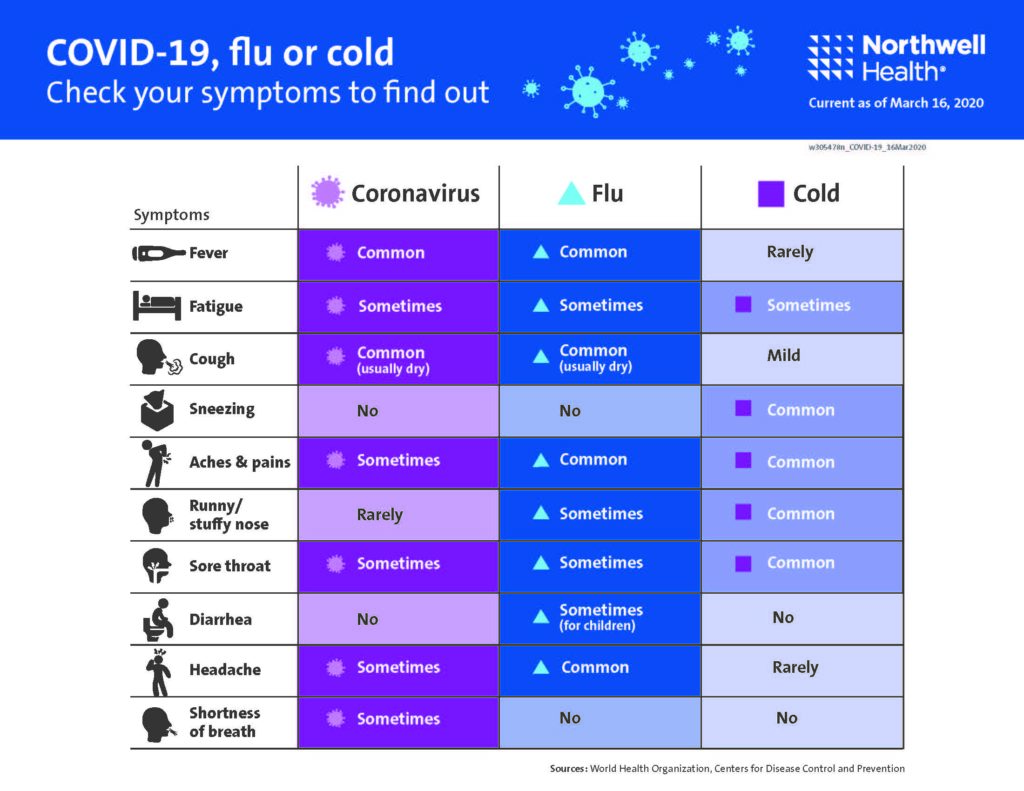
One of the most common challenges I encounter in clinical practice is the patient’s desire to know exactly which virus they are fighting. In the absence of a PCR test, the distinction is often blurred because the symptoms overlap significantly. However, from a medical perspective, the differences are profound in terms of both cause and potential complications.
The “common cold” is an umbrella term for a viral infection of the upper respiratory tract—affecting the nose, throat, sinuses, and windpipe. According to the Centers for Disease Control and Prevention (CDC), more than 200 different types of respiratory viruses can cause a cold, with rhinoviruses being the most frequent cause. These infections are generally mild, typically lasting less than a week, and are a primary driver of missed work and school days globally. In the United States, for example, adults average two to three colds per year, while children often experience more.
In contrast, influenza (the flu) and SARS-CoV-2 (the virus that causes COVID-19) are systemic infections that can lead to much more severe outcomes. While they can produce “cold-like symptoms,” they are not classified as colds. Influenza typically presents with a more abrupt onset of high fever, intense muscle aches, and extreme exhaustion. COVID-19, while varying wildly in presentation, continues to evolve through new variants that may evade previous immunity, making it a persistent variable in Germany’s public health equation.
Another critical player in the current respiratory landscape is Respiratory Syncytial Virus (RSV). While often mild in healthy adults, RSV can be dangerous for infants and the elderly, leading to bronchiolitis or pneumonia. The RKI monitors these trends closely, utilizing its role as part of a consortium serving as the EU reference laboratory for public health for respiratory viruses to coordinate responses across borders.
How Germany Monitors Respiratory Health
The ability to answer “how sick is the country” depends entirely on the quality of the surveillance. Germany employs a multi-layered approach to track these pathogens, moving far beyond simple doctor’s office reports. The RKI utilizes several sophisticated tools to maintain a real-time picture of the nation’s health.
One such tool is syndromic surveillance, which tracks patterns of symptoms (like fever and cough) reported across various health data sources before a formal diagnosis is even made. This acts as an early warning system. The RKI’s Integrated Genomic Surveillance allows scientists to track the evolution of SARS-CoV-2 variants in Germany, ensuring that vaccines and treatments remain effective against circulating strains.

Perhaps most innovative is the use of wastewater monitoring. By analyzing sewage samples, public health officials can detect the presence of viral RNA in a community before individuals even start showing symptoms. This provides a non-invasive, population-level view of viral load that is not dependent on people choosing to get tested. When wastewater levels for influenza or COVID-19 rise, it serves as a signal for hospitals to prepare for an increase in admissions.
This data-driven approach is essential because it prevents the “perception gap.” Often, the public feels that “everyone is sick” because of a localized cluster of rhinoviruses in a specific school or office, while the national data may show that severe respiratory infections are actually at a seasonal low. Distinguishing between these two realities is key to avoiding unnecessary panic while maintaining vigilance.
The Impact on Healthcare Infrastructure
Even when the infections are “mild,” the sheer volume of cases can strain the German healthcare system. The primary point of contact for most patients is the Hausarzt (family doctor). During periods of high respiratory activity, these practices often become overwhelmed, leading to long wait times and a higher risk of cross-infection in waiting rooms.
The burden is not just on the doctors but on the pharmacies and the workforce. The economic impact of respiratory infections is substantial, driven by sick leave and decreased productivity. When a significant percentage of the workforce is sidelined by a “moderate” respiratory infection, it creates a ripple effect through the economy, particularly in essential services and manufacturing.
the “secondary infection” phenomenon remains a concern. A viral infection can weaken the respiratory lining, making the patient more susceptible to bacterial pneumonia. This is why I always emphasize the importance of monitoring for “second-wave” symptoms—such as a fever that disappears and then returns with greater intensity—which may indicate a bacterial complication requiring antibiotics.
Practical Guidance for the Transition Season
Given the current overlap of viruses, the best strategy for the public is a combination of prevention and informed self-care. Many people make the mistake of treating every respiratory infection as a “cold” and ignoring the signs of something more serious.
When to stay home: If you have a fever or a productive cough, the most responsible action is to isolate. This is not just about your own recovery, but about protecting vulnerable populations—the elderly and the immunocompromised—for whom a “simple cold” can escalate into a life-threatening event.
Managing symptoms: For the majority of upper respiratory infections, the treatment is supportive. According to the Cleveland Clinic, there is no cure for the common cold, but it typically resolves on its own within a week to 10 days. Hydration, rest, and over-the-counter symptom relief are the standards of care. However, if symptoms persist beyond 10 days, a consultation with a healthcare provider is necessary to rule out complications like sinus infections or bronchitis.
Preventive measures: Vaccination remains the most effective tool against the more severe pathogens. Annual influenza vaccines and updated COVID-19 boosters are designed to reduce the risk of severe disease and hospitalization. While they may not always prevent a mild infection, their primary goal is to keep patients out of the intensive care unit (ICU).
Key Takeaways for Respiratory Health
- Distinguish the Cause: Rhinoviruses cause the common cold; Influenza and SARS-CoV-2 cause more systemic, potentially severe illnesses.
- Trust the Data: National surveillance via the RKI provides a more accurate picture of community health than anecdotal evidence.
- Monitor the Timeline: Most colds resolve in 7–10 days; symptoms lasting longer require medical evaluation.
- Prioritize Prevention: Vaccination and basic hygiene (handwashing, ventilation) remain the best defenses against seasonal waves.
The Path Forward: What to Expect Next
As we look toward the summer months, we expect a natural decline in the prevalence of most respiratory viruses. However, the landscape of infectious diseases is changing. The COVID-19 pandemic taught us that we can no longer view respiratory infections as purely “seasonal.” We must be prepared for “off-season” spikes driven by variant evolution and changes in human behavior, such as increased international travel.

The integration of genomic surveillance and wastewater monitoring into permanent public health infrastructure is a significant step forward. Germany is now better equipped than ever to detect a new threat before it becomes a crisis. The goal is to move from a reactive posture—responding to a wave after it hits—to a proactive one, where we can anticipate shifts in viral activity and alert the public in real-time.
For those currently feeling unwell, remember that the transition from winter to spring can be taxing on the immune system. Give your body the time it needs to recover, and do not hesitate to seek professional medical advice if your symptoms deviate from the typical course of a cold.
The next official update on respiratory activity in Germany will be provided in the RKI’s upcoming weekly epidemiology report, which will offer the most current data on influenza and SARS-CoV-2 prevalence. We encourage our readers to stay informed through official health channels and to share this guide with those who may be navigating their own recovery this spring.
Do you have questions about the current respiratory trends or tips on how you’re managing the season? Share your thoughts in the comments below or share this article with your community.